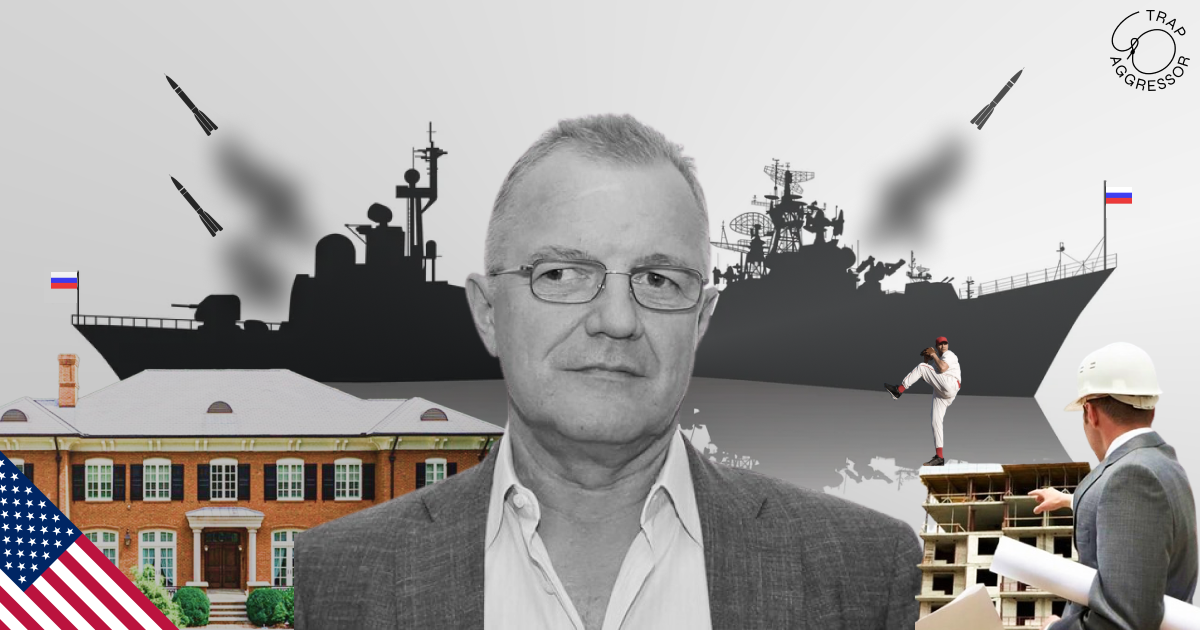

Key findings:
- Armalit, a leading manufacturer of shipbuilding valves, has a defense contract with the russian federation but is not currently subject to Western sanctions.
- Armalit’s co-owner, Oleg Volkov, has been resident in the United States for many years, where he owns property and a construction business.
- Volkov also has companies in Canada, Turkey, Thailand and Cyprus.
In June 2024, over 300 companies from the russian defense industry gathered in the russian city of Kronstadt (a suburb of Saint Petersburg) for the main russian exhibition of shipbuilding, naval aviation and new armaments, Fleet-2024. Among the participants was Armalit, a supplier of components for warships.
The russian company Armalit was established in the late 19th century, with German ownership at the time. Initially, the plant produced fire hydrants and copper fittings for water, gas and oil pipelines. Following the Soviet takeover, the plant was nationalized, leading to a narrowing of the company’s specialization. In the 1930s, Armalit became the main manufacturer of pipeline valves for the Soviet Union’s navy.
Following the mass privatization of state-owned enterprises in the 1990s, the company underwent several changes in ownership before being acquired by Saint Petersburg businessman Oleg Volkov. Remember him, we will come back to him later on. Currently, Armalit is one of three manufacturers that fully meets russia’s defense requirements for marine valves.
“A ship is a highly sophisticated engineering structure comprising numerous pipelines for pumping a range of liquids, from fresh water for domestic use to oil and fuel for engines. In this context, valves are any element on such pipelines. The simplest example is a kitchen faucet. It is a device that controls the flow of liquids or gases. It can open or close the flow, regulate the amount of substance that passes through the pipe, or prevent it from flowing back. Without valves, all these pipelines cannot function,” explains Artem Buznyk, head of a company that supplies and manufactures marine valves.
On top of that, Armalit is proactively pursuing import substitution. In 2023, the company secured a federal budget subsidy of .500 million rubles through the russian Ministry of Industry and Trade’s import substitution program. Armalit’s experts are developing marine valves, including those with remote control.
In the spring of 2024, the chief engineer and head of the Armalit mechanical assembly complex were presented with state awards by the russian Ministry of Defense in recognition of their great contribution that significantly improved the combat capabilities of weapons and military equipment.
The lord of the valves
In addition to the Armalit plant, Saint Petersburg businessman Oleg Volkov owns at least one other russian manufacturer of shipbuilding valves, Spetskomplektresurs, which also supplies products to the russian navy. Together with his business partner Alexander Kuznetsov, Volkov owns another dozen companies across russia, spanning from moscow to the Far East. The companies’ product lines include electrical switchgear, civilian ships, and wooden furniture. In 2020, Volkov was ranked 6th among the top 100 wealthiest individuals in Primorye, a region in the russian Far East. At the same time, Volkov was the owner of other valve factories in russia. The current ownership of the factories is uncertain, as information about the beneficial owners of russian companies has been partially obscured since the onset of the full-scale invasion of Ukraine in 2022.
However, we managed to find information regarding Oleg Volkov and his assets in foreign registers, including the Turkish one. In June 2022, Volkov and Kuznetsov founded the Overon Group İthalat İhracat Danişmanlik Mühendi̇sli̇k Ti̇caret Anoni̇m Şi̇rketi̇ in Istanbul. Russian customs data indicates that in 2023, this company supplied sanctioned goods to russian enterprises of business partners. These included a horizontal CNC machining center manufactured by the Italian company Trevisan Macchine Utensili SpA worth about $1 million and Siemens power grid protection devices worth $5,353.
CNC machines are a vital technology for modern military-industrial complexes. Russia lacks the capacity to produce such sophisticated machinery domestically, necessitating a search for alternative sources. Western sanctions have eliminated the possibility of direct deliveries to the russian federation, prompting russian manufacturers to seek alternative routes through friendly jurisdictions such as Turkey.
Trap Aggressor has reached out to Western manufacturers of the products in question, which were supplied by Armalit.
Siemens has stated that it does not have a business relationship with the Turkish supplier. The company has confirmed that its supply contracts include a clause requiring its customers to comply with all export control regulations when using products supplied by Siemens. The manufacturer also notes that it promptly investigates cases where it receives any indications of sanctions circumvention with the involvement of the relevant authorities.
The Italian manufacturer Trevisan Macchine Utensili SpA has also issued a statement denying any ties to Turkish Overon. At the same time, the company confirms that Armalit was indeed their client, as they sold a CNC machine to Armalit in 2008. Trevisan also claims to have terminated commercial relations with the russian branch of Trevisan O.O.O. following the war, where it owns 60%. However, russian customs data indicates that they supplied products to russia as early as 2023, particularly to the russian Trevisan and Armalit. The value of Trevisan products imported to russia in 2023 is $7.9 million. The company denies these deliveries.
However, the geography of Volkov’s foreign assets is not limited to Turkey. Volkov’s Cypriot and American companies are also united under the Overon label. The American Overon Group Corporation was established in 2012 in Atlanta to represent the interests of russian companies and their products across a diverse range of industries, including marine equipment and marketing. Over the following years, Volkov founded six more American companies, with a primary focus on residential construction and repair.
However, the Overon Group Corporation has proven to be the most successful venture to date, uniting innovative construction companies from the United States and Canada. Among these, Canadian CLetch and Attraverso are also partially owned by Volkov.
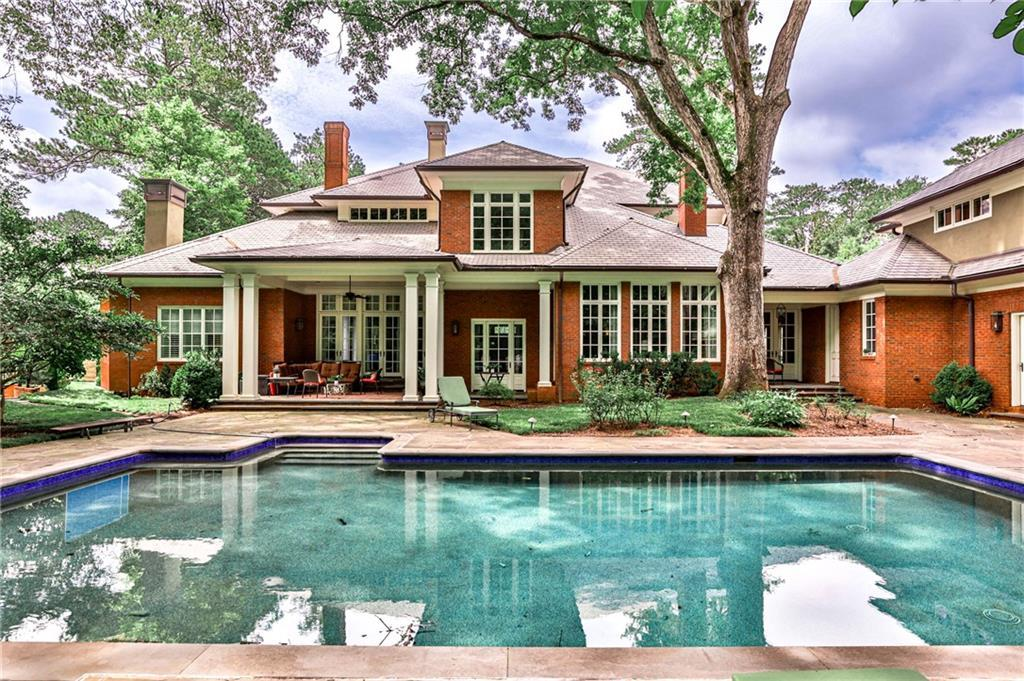
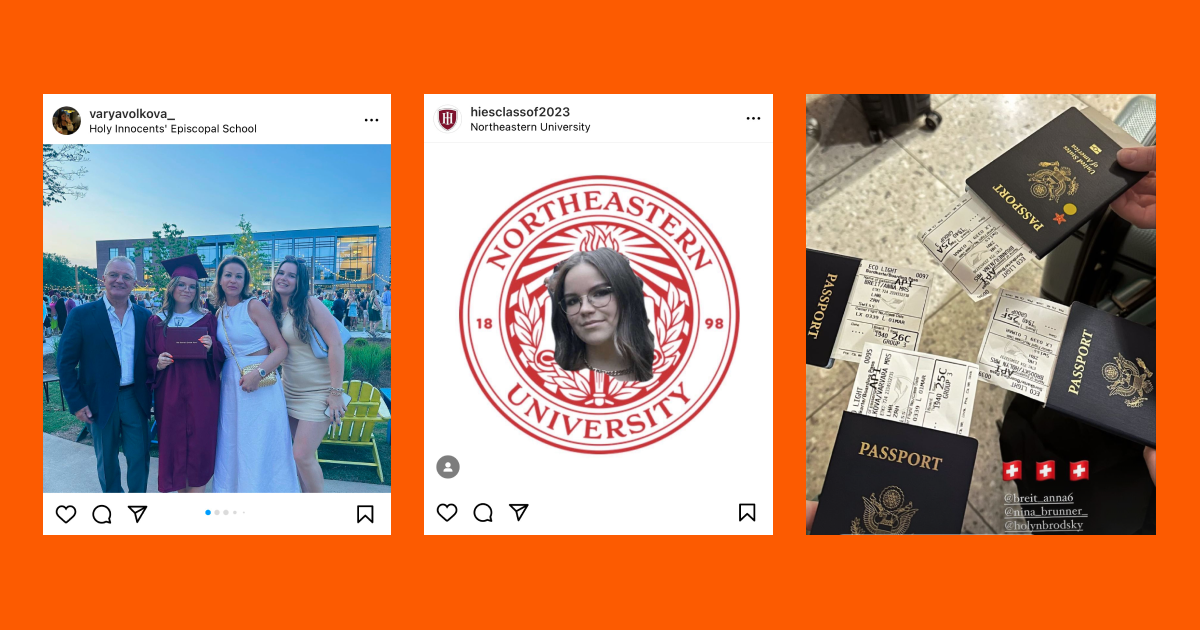
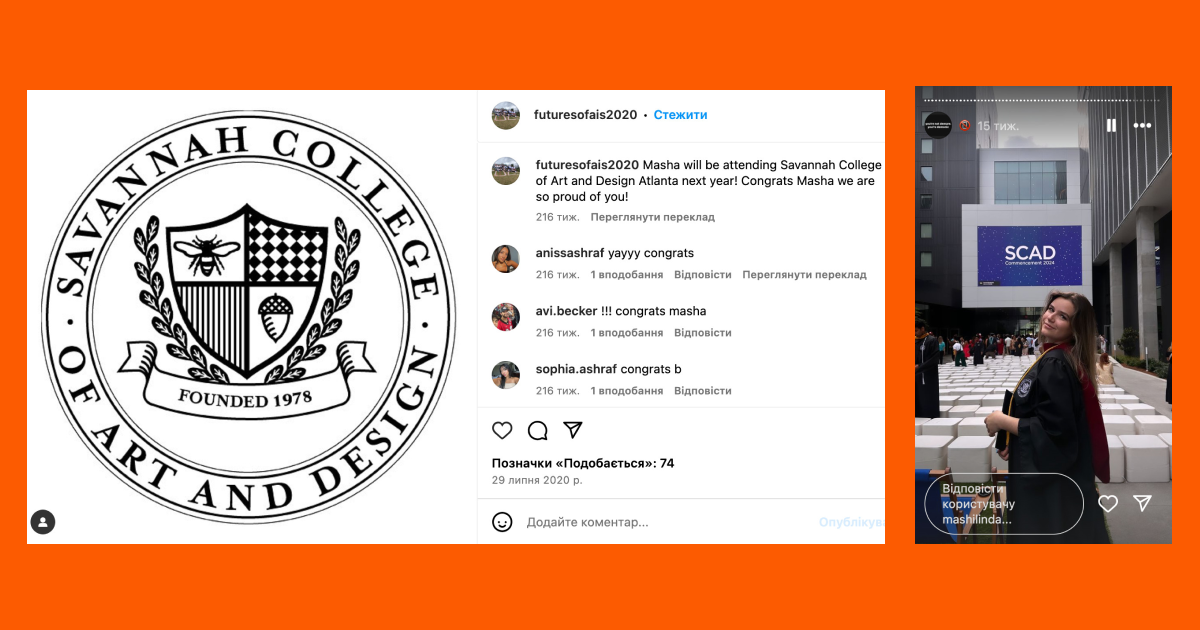
A 15-minute drive north of Atlanta in the wooded area of Sandy Springs is another country house registered to Veronika Volkova. The estimated value of this house is approximately $1 million. Our analysis of the social media accounts of the Volkov family, including their daughter, indicates that this property is the family’s primary residence. Additionally, a person named Oleg Volkov owns an apartment with an estimated value of $424,616 (1080 Peachtree St NE #2006, Atlanta, GA 30309).
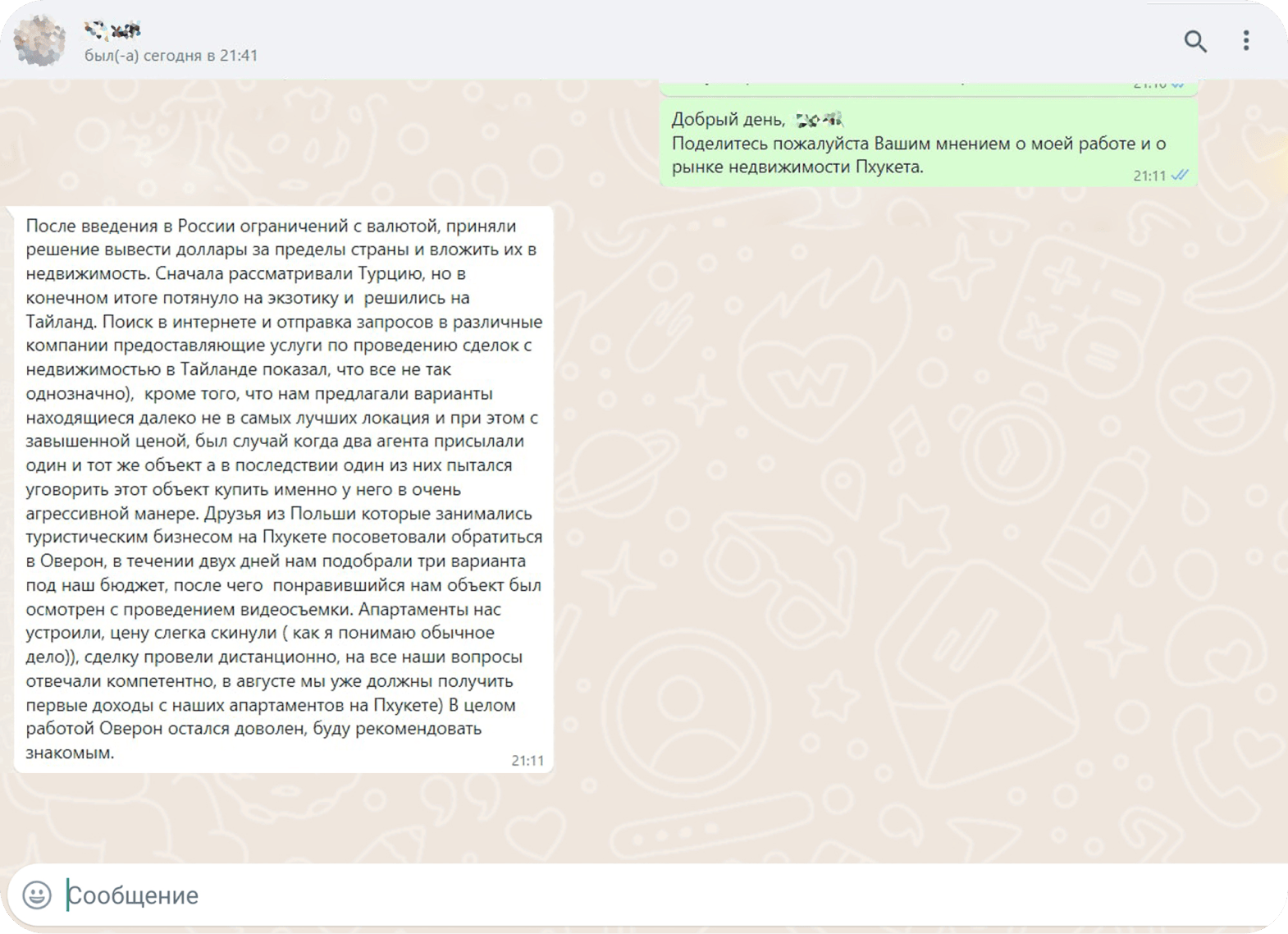
Vladimir is a married father of three. Until 2022, he resided in Thailand with his family.
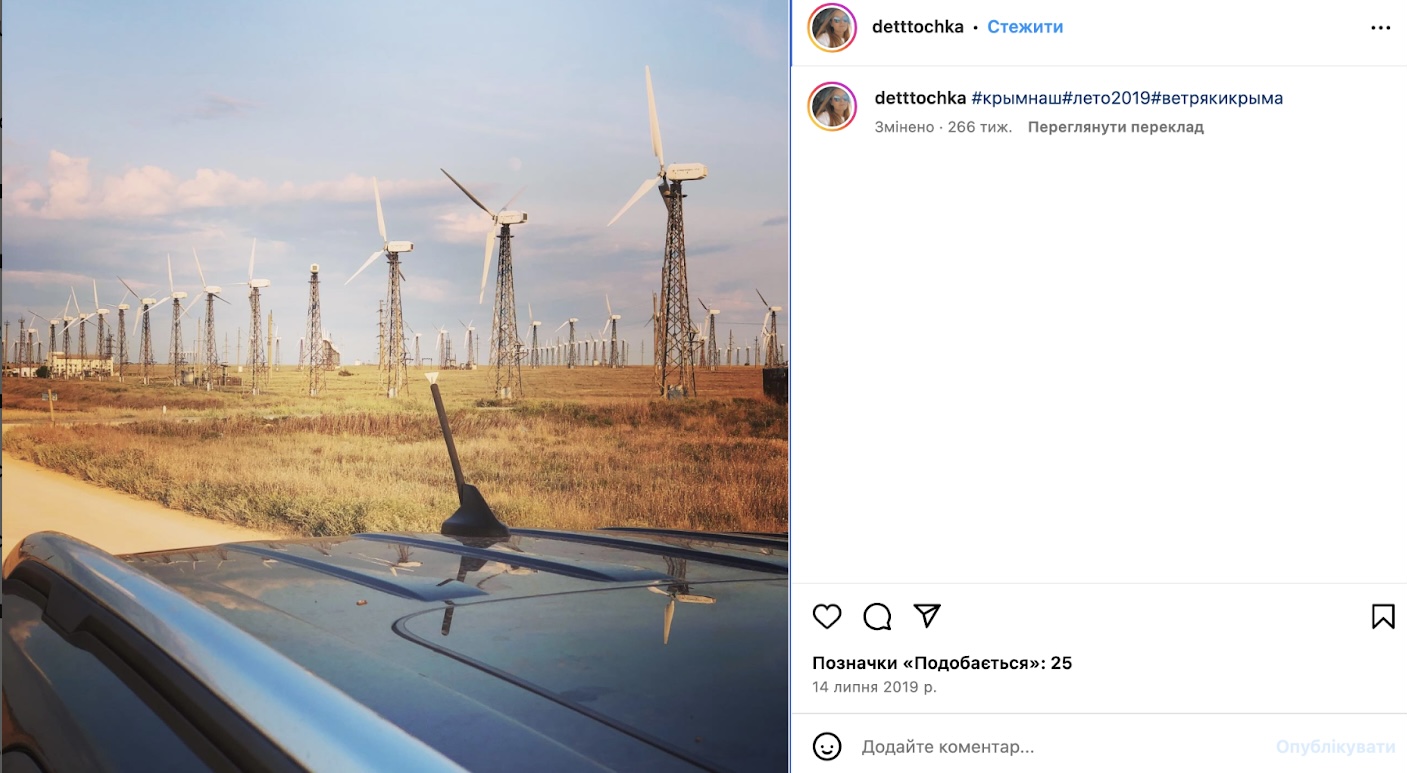
Vladimir’s wife, Marina, posts on her Instagram profile about the russian attack on a residential building in Dnipro. Against the background of a white dove of peace, she leaves the inscription “It’s impossible to live the old life in current reality…”, while the song “Так хочется жить” (I want to live so badly) by the russian band Rozhdestvo plays in the background. The next Instagram story is accompanied by the song “Не твоя війна” (Not your war) by the Ukrainian band Okean Elzy. Marina publishes poems between photos of the ruins caused by a russian missile strike and pictures of “doves of peace.” Each of the stories in the series is labeled with the hashtags #stopwarinukraine and #stopputinwar. However, in 2019, Marina expressed support for russia’s aggression against Ukraine and published posts accompanied by the hashtag #крымнаш (Crimea is ours). This is an ideological cliché that gained popularity among russians after the annexation of Crimea in 2014.
Why is Volkov not sanctioned?
Along with developing its business in the US and Europe, Volkov’s Armalit maintains productive partnerships with companies operating in countries subject to US and European sanctions. At the Fleet-2024 naval salon, the company showcased the Caiman, an amphibious assault ship that has been modernized based on combat operations experience. The vessel is now equipped with systems for detecting and jamming drones, all-round protection against air and sea attacks thanks to AK-630 guns and a large-caliber machine gun. Such ships are manufactured at the sanctioned Yantar plant, for which Armalit supplies marine valves. The plant’s other sanctioned customers include Zvezdochka Ship Repair Center JSC and Baltic Shipyard LLC. The companies manufacture and maintain various types of ships, including vessels with nuclear propulsion systems. These systems are often used on military submarines and aircraft carriers, as they provide significant autonomy in movement and engine power.
Given its involvement in the defense and related sectors of the russian economy, Armalit should have been subject to US sanctions.
Kristofer Harrison, a financial and political risk consultant and co-founder of The Dekleptocracy Project, emphasizes “the importance of U.S. sanctions being imposed not only on Volkov’s russian companies, but also on him. In this case, he will be restricted in his business activities in both russia and the United States. Although even sanctions against russia’s Armalit alone will cause Volkov’s reputation in America to suffer significant damage.”
After all, there are similar precedents. In 2024, the United States imposed sanctions on a number of companies working to supply the russian navy. These include electrical equipment manufacturers Krizo Plant and Nova ERA JSC, Voronezh Central Design Bureau Polyus, which produces radio control equipment, and Ship Repair And Shipbuilding Corporation.
The material was published with the support of the NGO “Regional Press Development Institute” as part of the “Blind Zone” competition.