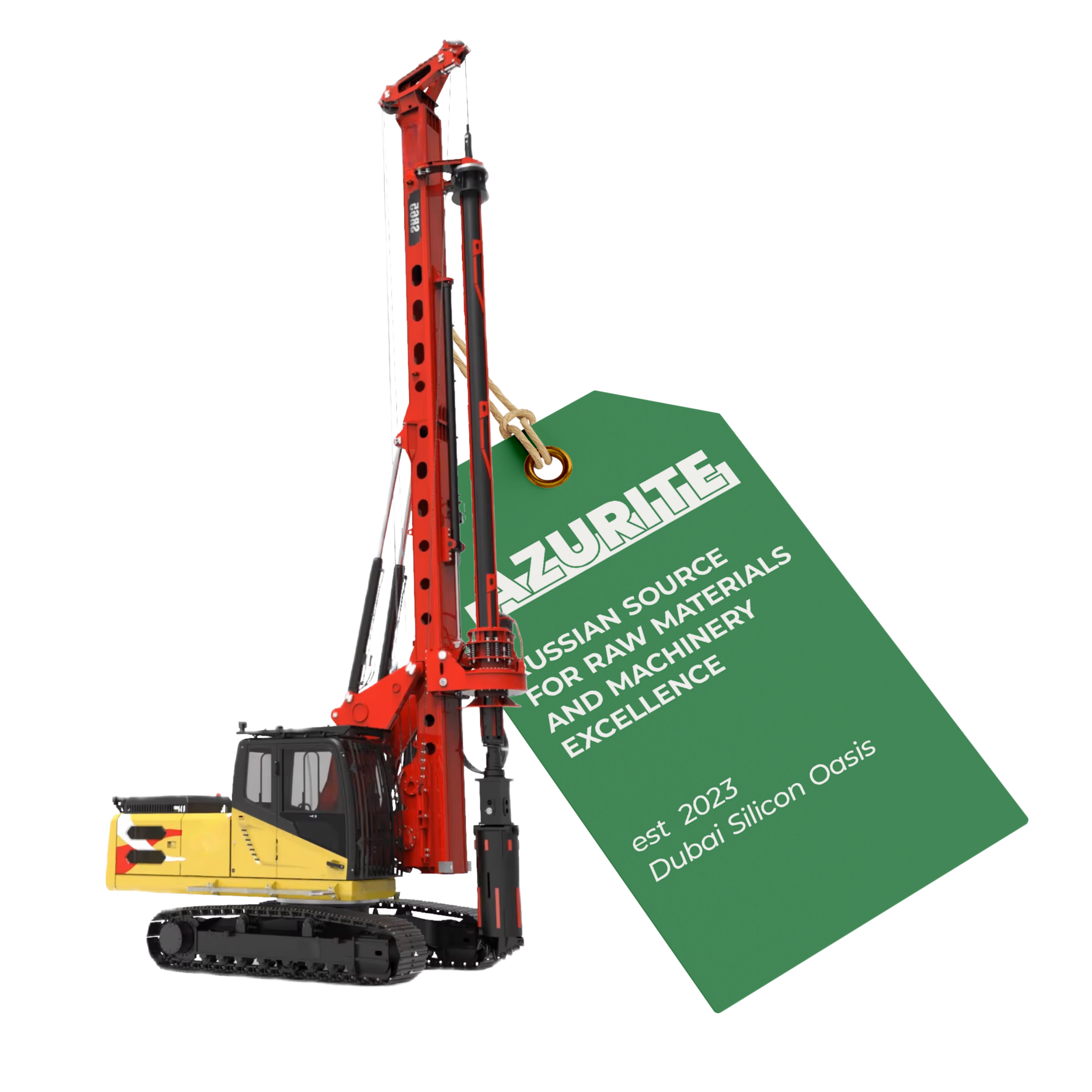

Dubai Silicon Oasis is a government-owned free trade zone and technology park in Dubai that serves as a hub for innovation, artificial intelligence, and smart city technologies. It is basically a “city within a city,” combining modern residential spaces, commercial offices, and industrial zones. Among the startups and tech companies registered here is Azurite FZCO, which has become a key link in providing the Russian mining industry with critical equipment. Thanks to the company, sanctioned enterprises in Russia continue to receive equipment for mining and processing minerals and metals. These resources are subsequently used at the factories of the military-industrial complex, where weapons for the war against Ukraine are manufactured. StateWatch analysed Azurite FZCO’s supplies and uncovered an international trade network.
EXCLUSIVE RUSSIAN COUNTERPARTY
Azurite FZCO specialises in trading raw materials, as well as components and equipment for their extraction. The company’s website, or rather a one-page landing page without any real information about the company, was created in February 2023. It is noteworthy that there are several eponymous companies with similar activities in Dubai. According to customs data, from October 2023 to January 2025, this inconspicuous company organised more than 300 deliveries to Russia with a total value of about $ 15 million.
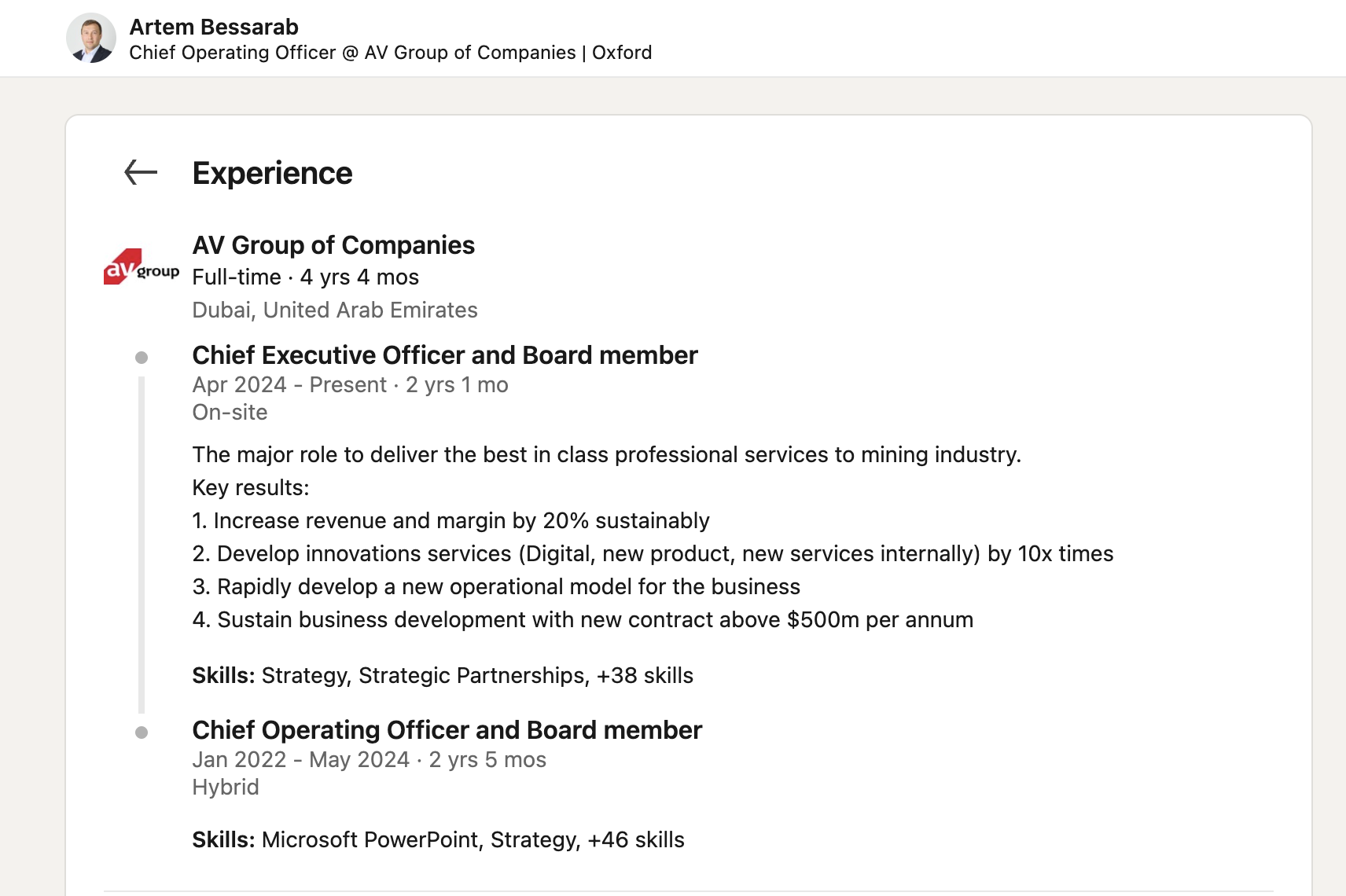
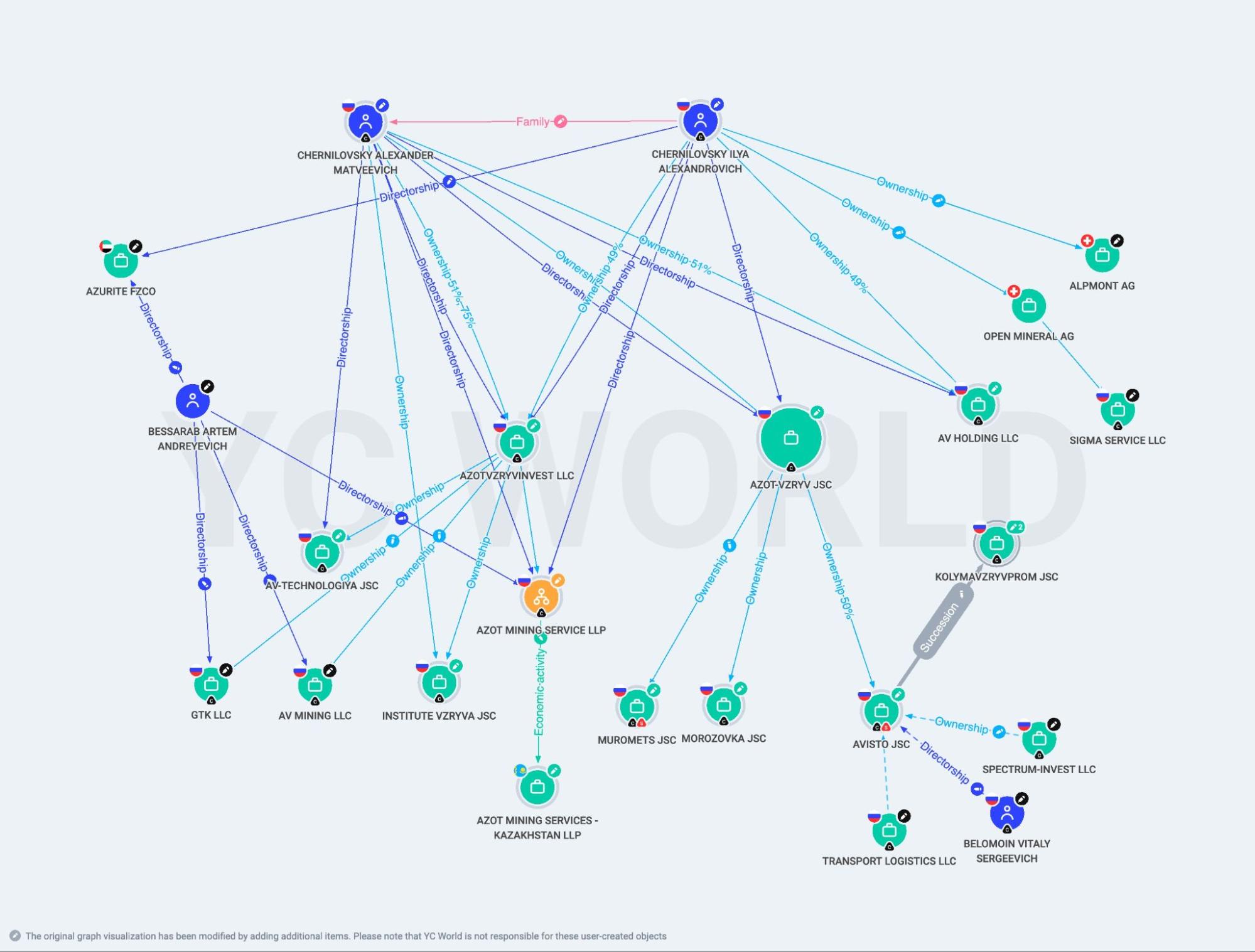
Shipped products include mainly equipment for drilling and rock processing. Azurite FZCO operates with a striking lack of diversification, directing almost all of its cargo volume to one entity: Russian JSC Azot-Vzryv. Powering this logistics engine are two Russian nationals, Ilya Chernilovsky and Artem Bessarab, who serve as the directors behind the Dubai-based firm.
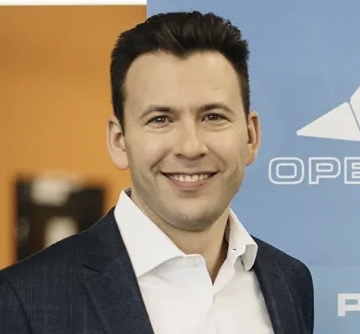
Russian citizen Ilya Chernilovsky is not only the director of Dubai-based Azurite FZCO, but also the CEO of the entire Russian Azot-Vzryv JSC, as well as companies related to the holding. He is listed as the director and founder of AzotVzryvInvest LLC (TIN: 7727513600) and as the founder of AB Holding LLC (TIN: 7730303321). His father, Alexander Chernilovsky (TIN: 503014208110), also owns 51% of AzotVzryvInvest LLC and AB Holding LLC.
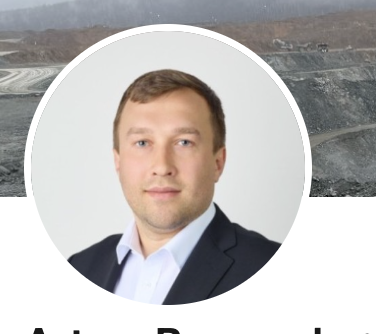
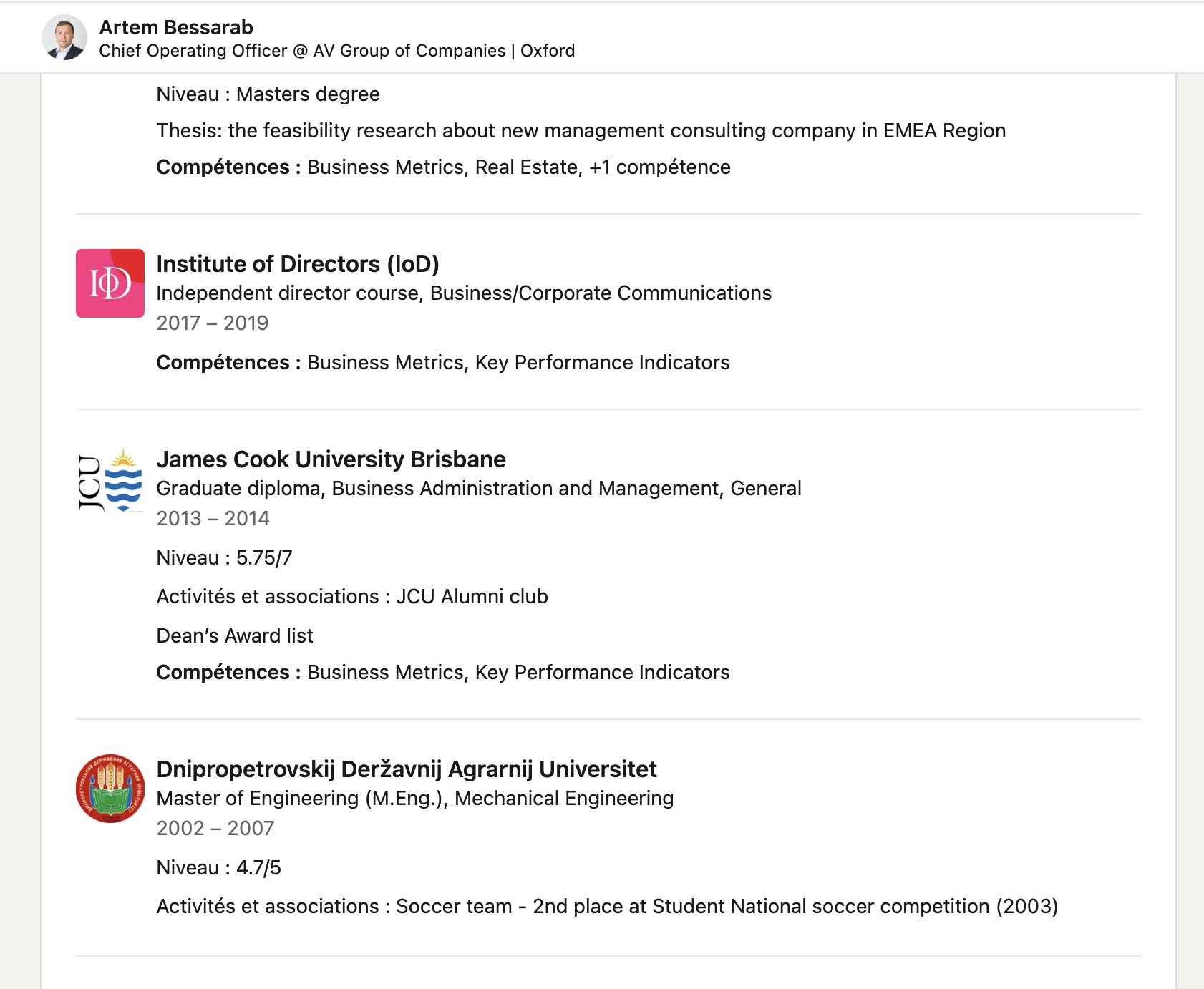
Chernilovsky’s business partner, Artem, was born in Ukraine and graduated from the university in Dnipro. He later worked in operational and managerial positions in the Ukrainian offices of many international companies, until the 2010s, when he apparently found a job in Russia and moved there, eventually acquiring citizenship.
In 2022, Artem began working at the Azot-Vzryv group of companies, and in 2024 and 2025, he became the general director of several companies of the group: LLC Azot Mining Service (TIN: 7751507816), LLC GTK (TIN: 4205289221) and LLC AV Mining (TIN: 9728011519). In February 2026, Bessarab founded another company with the same name, Azurite FZCO, this time in Kazakhstan. Thus, the man manages or owns companies in three jurisdictions – Emirati, Kazakh and Russian. Of course, organising trade between each other.
SUPPLIES ANATOMY: FROM DRILLING BITS TO PIPES
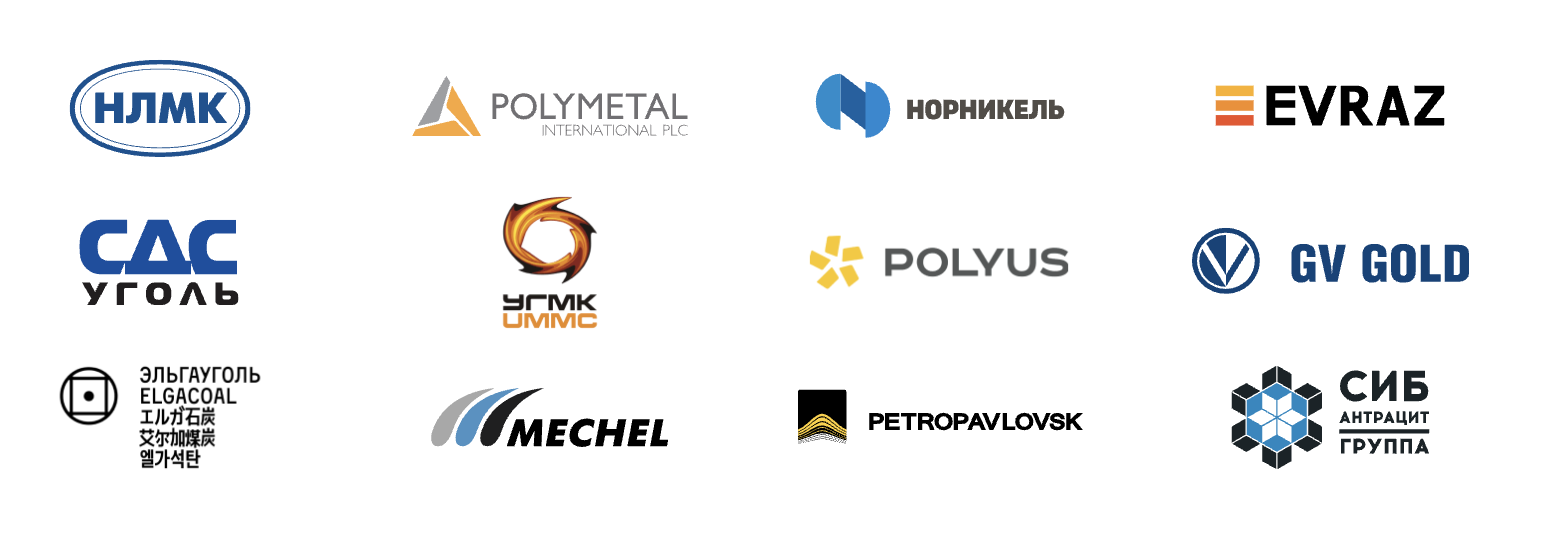
JSC Azot-Vzryv is a full-cycle giant that provides the Russian mining industry with everything it needs: from industrial explosives and detonators to specialised equipment. The holding’s clients are companies that mine gold, iron, coal, nickel, vanadium, and copper – resources that form the basis of the Russian economy, are used at military-industrial enterprises, and help finance the Kremlin’s war machine. Among them are sanctioned companies and individuals: Vladimir Lisin’s Novolipetsk Steel Company, Roman Abramovich’s Evraz, Vladimir Potanin’s Norilsk Nickel, and others. All of them are somehow involved in the production of weapons used in war.
In 2024, Nikolai Vyatkin, president of the National Organisation of Demolition Engineers of Russia, pointed out the importance of the holding for the Russian Federation:
“In short, in terms of import substitution, we have something to be proud of: the Iskra plant and the companies of JSC Azot-Vzryv have fully met the needs of the country’s mining industry and entered the foreign market. Our Russian manufacturers have demonstrated true heroism, and the industry has demonstrated coordinated work.”
The nomenclature of imported goods clearly indicates their purpose:
- 〜30% – rock drilling tools;
- 〜13% – steel drill pipes;
- 〜10% – self-propelled drilling machines, etc.
The goods supplied to Russia by Dubai-based Azurite FZCO had different origins. More than 50% of the cargo came directly from the UAE, and another 30% from China. However, the 10.3% share of Swedish origin attracts particular attention. This may indicate the re-export of scarce European technologies through intermediaries in Dubai. Among the manufacturers, there are also companies from the UK (TMS Mining Ltd) and France (Top Industrie SAS).
In January 2025, Dubai-based Azurite supplied products of the British manufacturer TMS Mining Ltd to Azot-Vzryv three times. The goods were marked with HS codes 8409 and 8483, which include piston internal combustion engines and bearing components. Since 2023, these codes have been included in the list of “critical industry” goods when the United Kingdom expanded the list of sanctions regulations against the Russian Federation. According to available customs data, the products of this British manufacturer had not previously entered the Russian market.
Azurite FZCO also supplied Azot-Vzryv with high-tech equipment designed to test materials for strength under extreme pressure, manufactured by the French company Top Industrie SAS. The goods were marked with the HS code 9024809000. In February 2023, this code was included in the list of critical products for which the US and its partners require special licenses for export and re-export to the Russian Federation. Azurite also delivered a previously used self-propelled drilling rig of Swedish production.
Before the full-scale invasion, the first five countries whose products were imported by JSC Azot-Vzryv were jurisdictions of the states of the current sanctions coalition (EU, USA, Canada, etc.). Apparently, after the full-scale invasion of the Russian Federation into Ukraine and numerous restrictive measures, the company had to turn to legal entities from China, the UAE and Turkey to circumvent the restrictions.
The aforementioned products, which Azurite FZCO delivered to JSC Azot-Vzryv, are mostly used in the extractive industries. According to the US Export Administration Regulations (EAR), all HS codes under which the products were supplied are subject to the US licensing requirements of 2014. While previously restrictions applied only to specific projects (deep-sea or Arctic), after 2022, there is an almost complete ban on the supply of most industrial goods aimed at undermining the Russian industrial base. The company and individuals facilitating this trade may face significant risks and be added to the OFAC SDN list.
Azurite FZCO’s supplies are not limited to Russia – during the full-scale invasion, the company also supplied products worth $2.8 million to Kazakhstan. The recipient was Azot Mining Services Kazakhstan, which is part of the same Azot-Vzryv holding. The Russian company of the same name, Azot Mining Services LLC, belongs to the aforementioned director and founder of Azurite FZCO, Artem Bessarab. Kazakhstan is often used by Russia as a hub to evade sanctions restrictions.
FORMAL REBRANDING
In December 2023, the US imposed sanctions on a company that is part of the Azot-Vzryv holding. It was Avisto LLC (TIN: 3128055665) from the Belgorod region. When the sanctions pressure spread to it, the management resorted to the classic method – liquidation of “inconvenient” assets. CEO Vitaly Belomoin then directly explained this step:
“The owners decided to close the company because it was sanctioned. Everyone who works with it is at risk. Therefore, we switched to another legal entity that had already been created. We transferred all functions to it,” Belomoin said.
The assets of LLC Avisto were transferred to JSC KolymaVzryvProm (TIN: 4907006146), which is also part of the Azot-Vzryv group of companies. In practice, this was merely a nominal change to transition the operations to a ‘clean’ legal entity.
OPEN MINERAL AND SWISS TRACE
In September 2025, Swiss authorities searched the office of the Swiss company Open Mineral AG, as part of an investigation into potential sanctions violations related to the trade in Russian gold. This is an online exchange that brings together buyers and sellers of metals using analytical tools that optimise negotiations and contracts. Among the founders of the platform is the already mentioned Russian director of Azot-Vzryv, Ilya Chernilovsky. The second founder is a native of Uzbekistan who has American citizenship, Boris Eykher. Both are former employees of the trading company Glencore. At that time, the company was said to have purchased tens of millions of dollars of Russian gold in 2022 through its subsidiary in Abu Dhabi.
Following these searches, in late 2025 and early 2026, Open Mineral began actively “purging” its Board of Directors of individuals with Russian roots (including Chernilovsky). This may be a sign that the company is preparing for a sale or an attempt to distance itself from toxic ties in case of further investigations. The company also has offices in Peru, Chile, Britain, and Colombia. After 2022, it also opened legal entities in the UAE, China, Saudi Arabia, South Africa, and Kazakhstan – jurisdictions that are “not too much” concerned about compliance with sanctions restrictions. At the same time, in 2022, Chernilovsky founded another company in Switzerland, ALPMONT AG, which is engaged in asset management and consulting.
Little is known about Boris Eykher: as a teenager, he emigrated to California with his parents, studied to be a programmer in Berkeley, worked for several years as a software developer in the American “daughter” of the British defence company BAE Systems, worked for the Kazakh metallurgical company Kazzinc, and later went on to his own projects. An interview with the head of strategy at the Ural Mining and Metallurgical Company, who once interviewed with Eykher, revealed: “I flew in for an interview and my future boss, Boris Eykher, CFO at the time (now the founder of the international metallurgical exchange Open Mineral), asked me: ‘How many ways do you know how to cheat a bank?” Eicher himself seems to have the answer.
Sanctions are hitting Russian business hard all over the world. Trade in minerals, especially metals, is one of the main sources of income for the Russian budget, as well as a necessary resource for the production of various types of weapons. Russians are forced to register companies in jurisdictions “friendly” to the Russian Federation, mimic international companies, hide the origin of their goods and invent new routes for supplying products to Russia. All this makes the production of products necessary for waging war more expensive and difficult, leading to the impoverishment of the state and its citizens. However, the story of Azurite FZCO demonstrates not an isolated violation, but a systematically built infrastructure for circumventing sanctions, where Dubai acts as a key transit hub between Western manufacturers, Asian suppliers and the Russian military-industrial complex. A formally legal company in a free economic zone has effectively become a “proxy link” that provides sanctioned enterprises with critical technologies, maintaining the continuity of production processes in the Russian mining industry. This creates grounds for strengthening control over re-exports, expanding sanctions lists, and stricter attention to jurisdictions that are becoming “grey zones” of global trade.