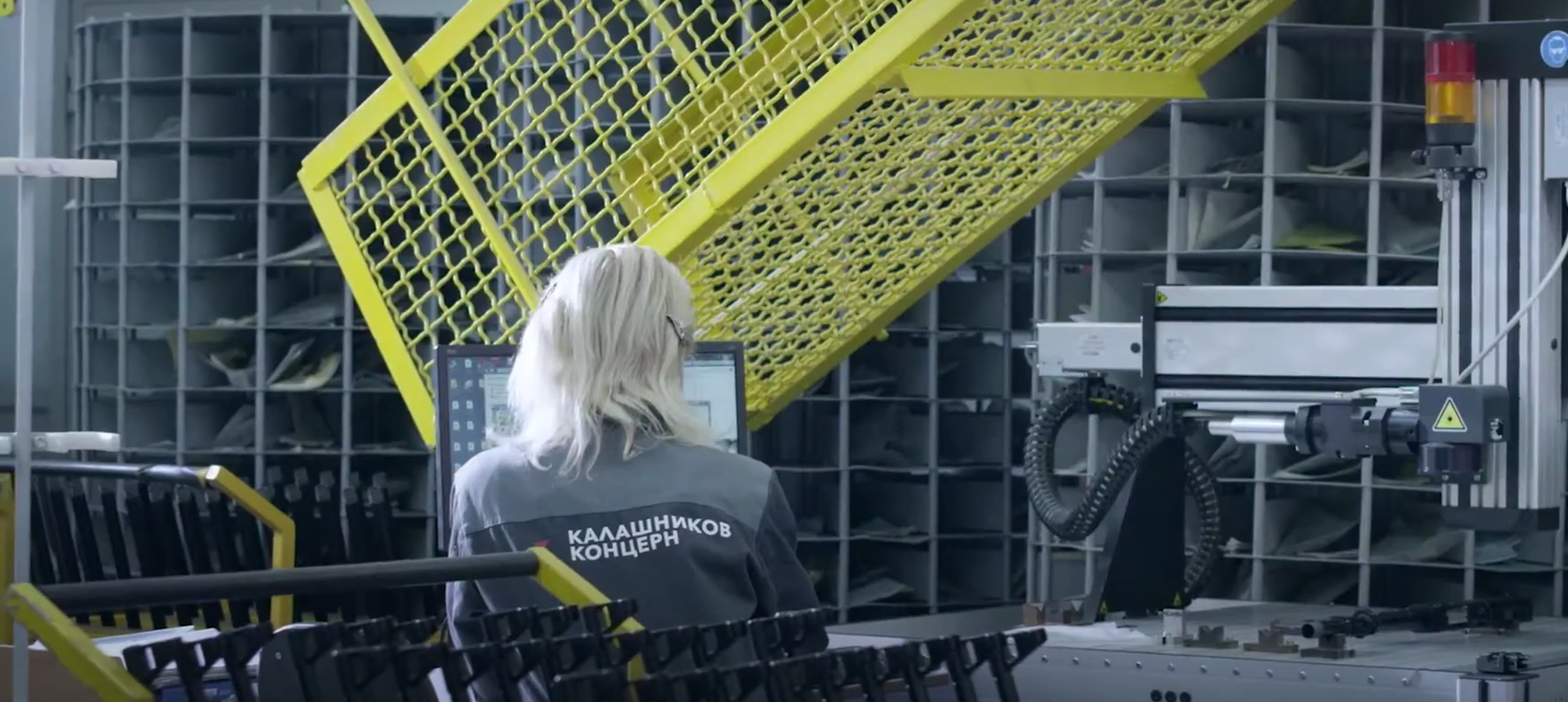

The machine tool division of one of Rostec’s holdings has been reporting increased production of lathes, including those with numerical control (CNC), for several consecutive years. Import substitution of this equipment is critical for Russia’s military-industrial complex: while machine tools are essential for weapons manufacturing, Russia remains dependent on Western equipment.
Key findings:
- Intelligence specialists from the Defence Intelligence of Ukraine identified 1,400 Western machine tools at 160 Russian weapons plants.
- 80% of this equipment likely arrived in Russia before the full-scale invasion.
- The largest number of these machines was produced by the German-Japanese corporation DMG Mori Seiki, which had its own factory in Russia.
- Since 2022, the Rostec-owned Kalashnikov Concern has been expanding production of its own metalworking equipment.
- In 2024, the Ulyanovsk Machine Tool Plant, formerly owned by DMG Mori, resumed manufacturing machines for Russia’s defense industry.
Since the start of the full-scale invasion, Russia’s military-industrial complex has been rapidly expanding. Despite economic difficulties, the country retains significant resources: factories operate around the clock and are being modernized, and employees receive bonuses for inviting their acquaintances to work at production sites. Yet, in the fourth year of the war, a key weakness of Russia’s defense industry remains the lack of advanced technology – Russia is still dependent on foreign computer numerical control machines, which are vital for weapons production.
Computer Numerical Control (CNC) systems allow a machine tool to automatically produce any metal component according to a programmed design. This technology enables ultra-precise work and minimizes human error: the machine operates autonomously and can cut complex parts with high accuracy. Since the manufacturing of engines, guidance systems, and ammunition tolerates no mistakes, CNC machines are now the backbone of the whole military industry – from missiles and drones to tanks and aircraft production.
Before the war, Russia produced very few of its own machines and imported between 70 and 90 percent of CNC equipment from abroad. As such machines are classified as dual-use goods and were not officially banned from export before the invasion, manufacturers often ignored the risks of shipping them to Russia, assuming the equipment would be used for civilian purposes – such as producing car parts or household appliances.In reality, these machines were widely used by Russia’s military-industrial enterprises. The Defence Intelligence of Ukraine identified nearly 1,400 units of Western equipment across more than 160 weapons plants and published its findings on the War&Sanctions portal.
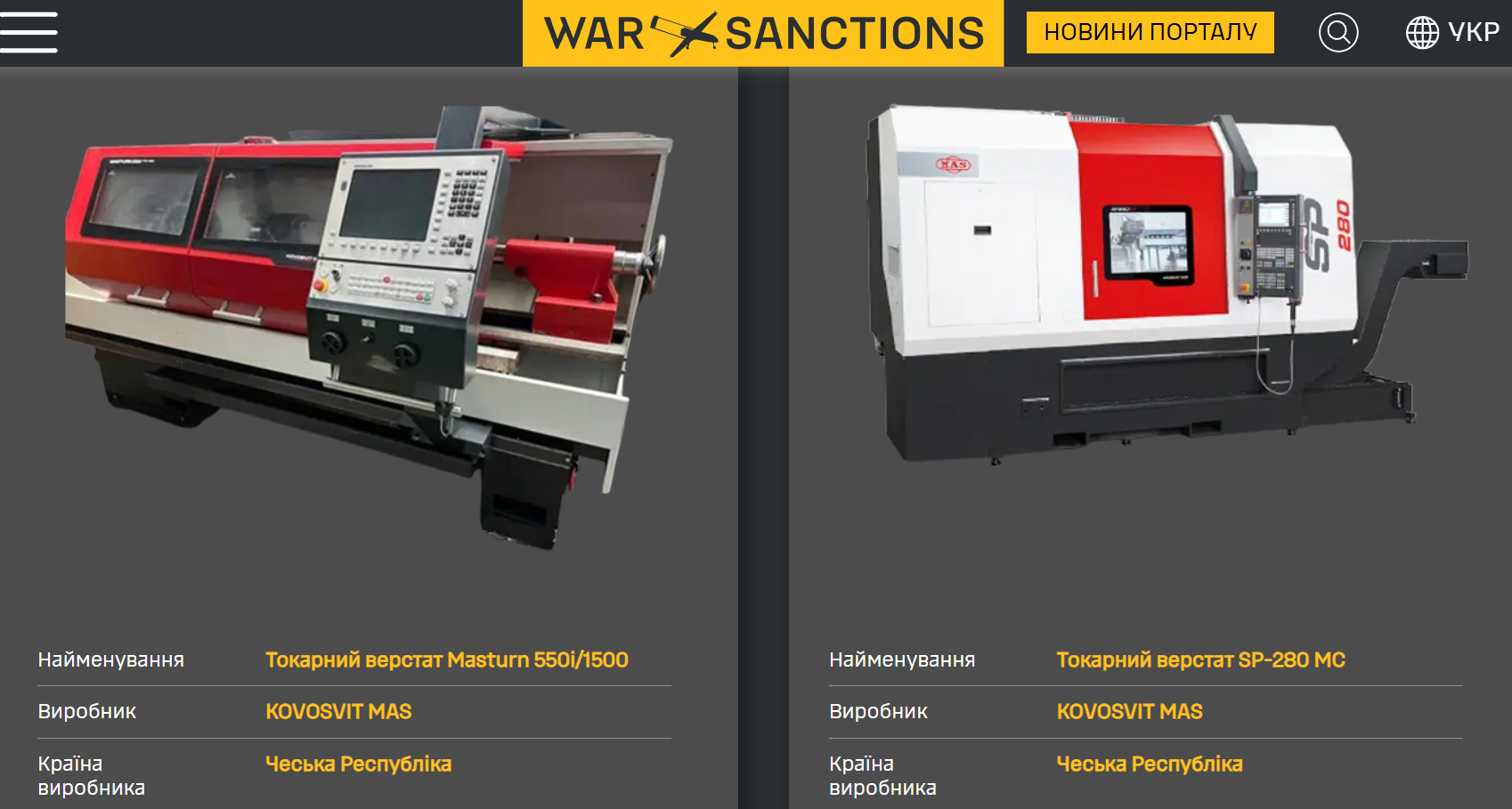
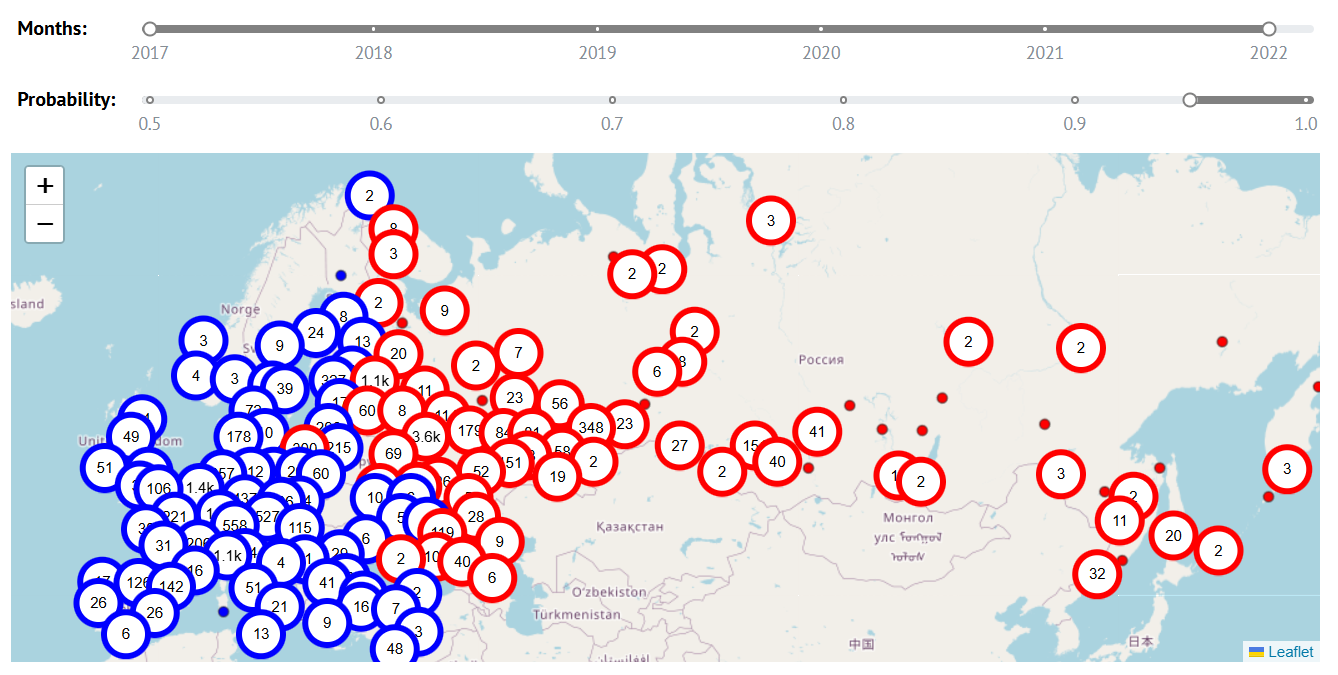
It is likely that over 80% of the machines arrived at these plants before the full-scale invasion, as indicated by the dates of videos, leasing contracts, and Russian state procurement documents published by the Defence Intelligence of Ukraine. This assumption is also confirmed by developers of the Tools of War database – an analytical tool that tracks shipments of dual-use goods to Russia. Using neural networks, analysts at Tools of War examined hundreds of thousands of Russian import transactions and visualized them on an interactive map. The data clearly show that the aggressor state had been preparing for war, saturating its defense industry with hundreds of metalworking machines long before the invasion.
Indeed, when comparing the data on metalworking equipment shipped to Russia between 2017 and 2021 with the map of manufacturers whose machines were later found at Russian factories by Ukrainian intelligence, the results align closely. In both cases, Germany stands out as the leading European supplier, responsible for about half of all shipments and identified machines.
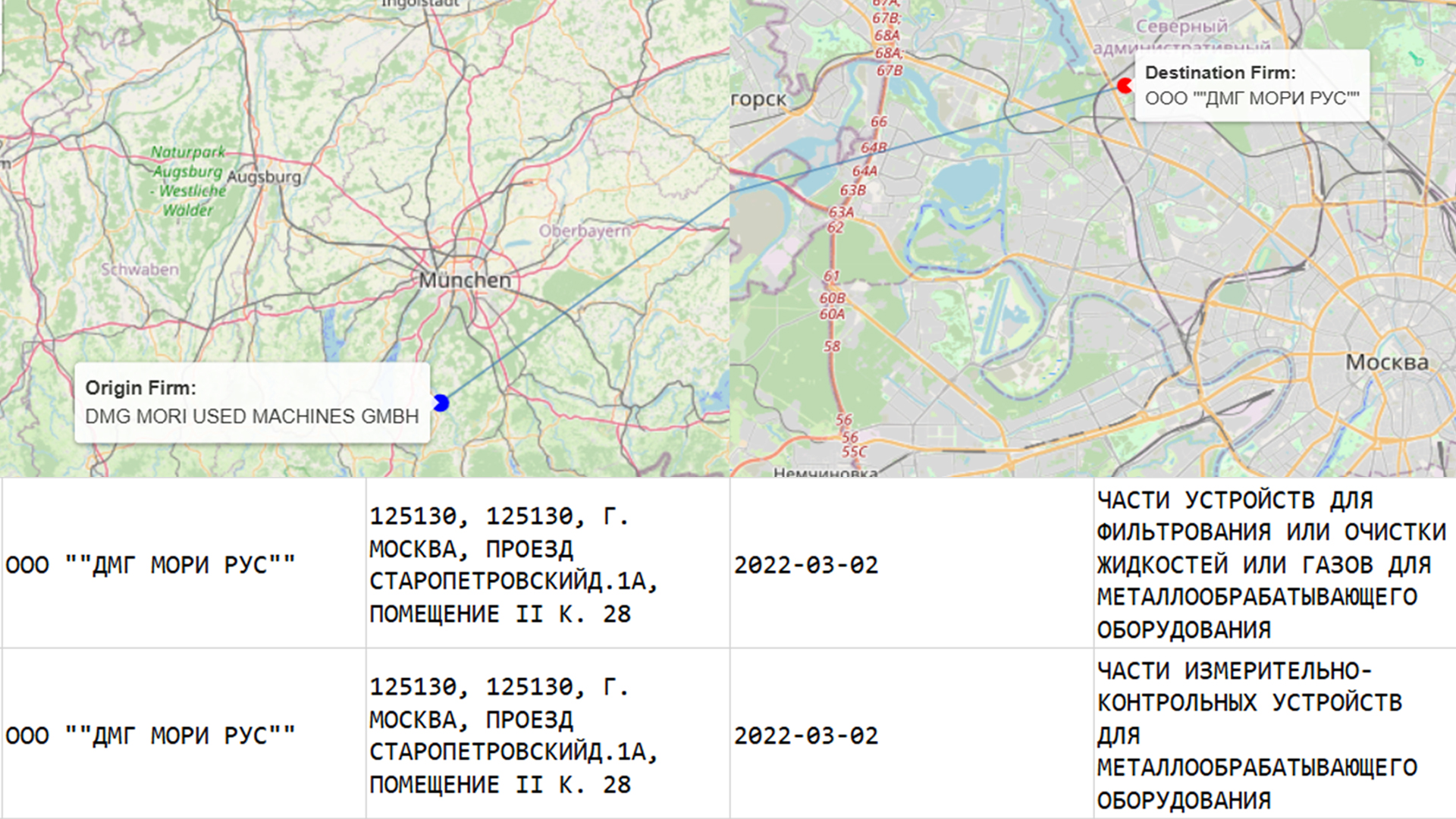
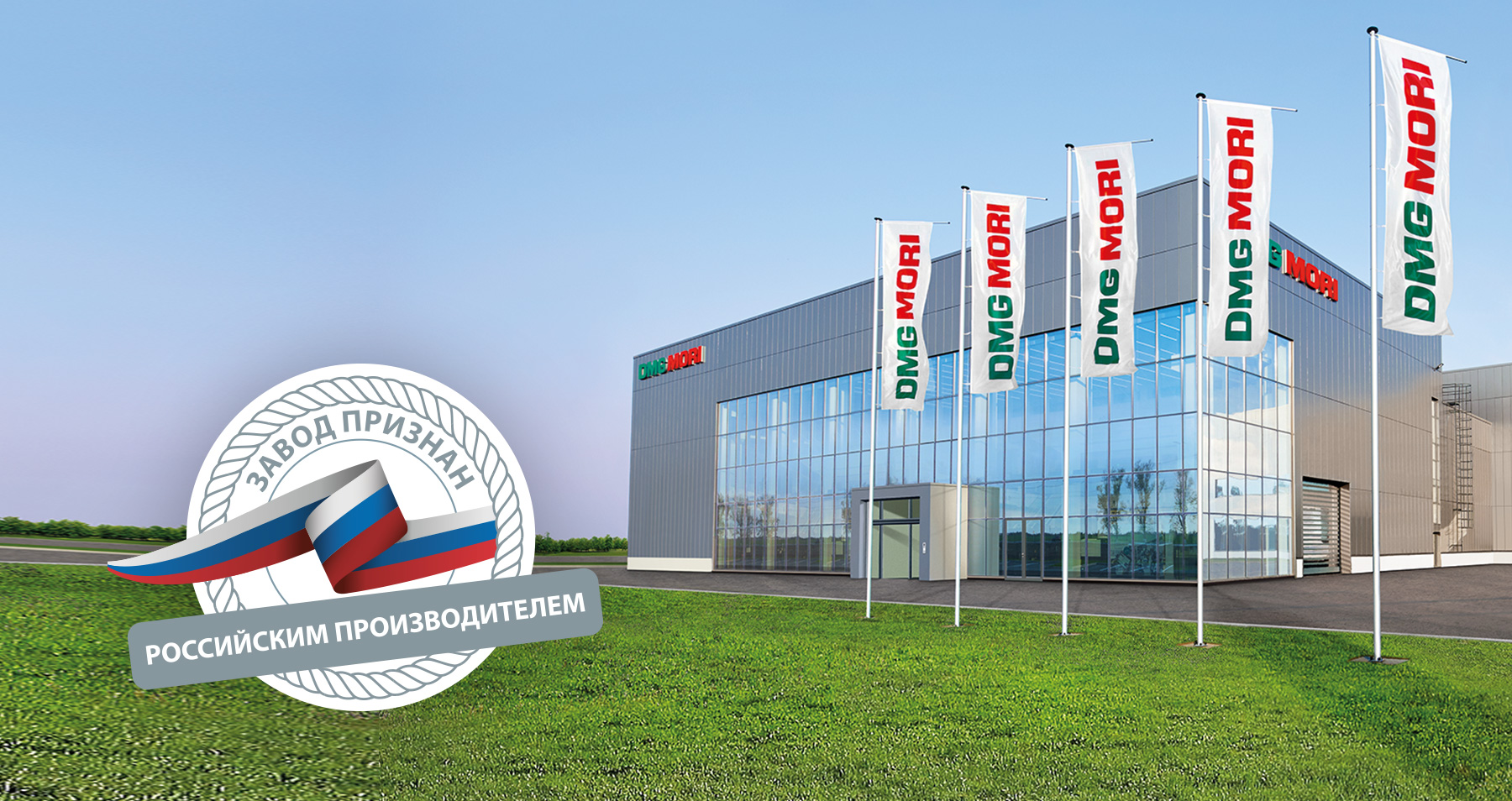
Unsurprisingly, the plant did not rush to stop operations after the invasion. In summer 2022, the Russian branch supplied machine components to Rostec’s ODK-Saturn LLC, leading Ukraine’s National Agency on Corruption Prevention to include DMG Mori in its list of international war sponsors. The corporation later declared that it had completely withdrawn from the Russian market and denied involvement in any supplies. However, an internal investigation revealed that former employees of three Russian entities had sold 122 units of equipment without the approval of company management.
In response to Russia’s full-scale invasion, the EU, US, UK, and Japan introduced a Common High-Priority List of Items (CHPL) – a list of high-priority goods banned from export to Russia. It includes electronic components, bearings, and navigation instruments, found in military systems, as well as metalworking machines required for their production. CNC lathes and their spare parts appear under five categories out of the fifty listed.
Machine tool-related HS-codes banned under the CHPL. Source: U.S. Department of Commerce, Bureau of Industry and Security (BIS)
The introduction of the CHPL, along with the EU’s 12th and 14th sanctions packages, delivered a significant setback to Russia’s defense industry. From that point, replacing Western machine tools became one of the key strategic challenges shaping Russia’s ability to sustain its war effort.
One of the first to begin developing Russian-made machine tools was the Kalashnikov Concern JSC – a Rostec holding best known for its military products. The concern produces small arms, reconnaissance and strike drones, ammunition, and missile systems.
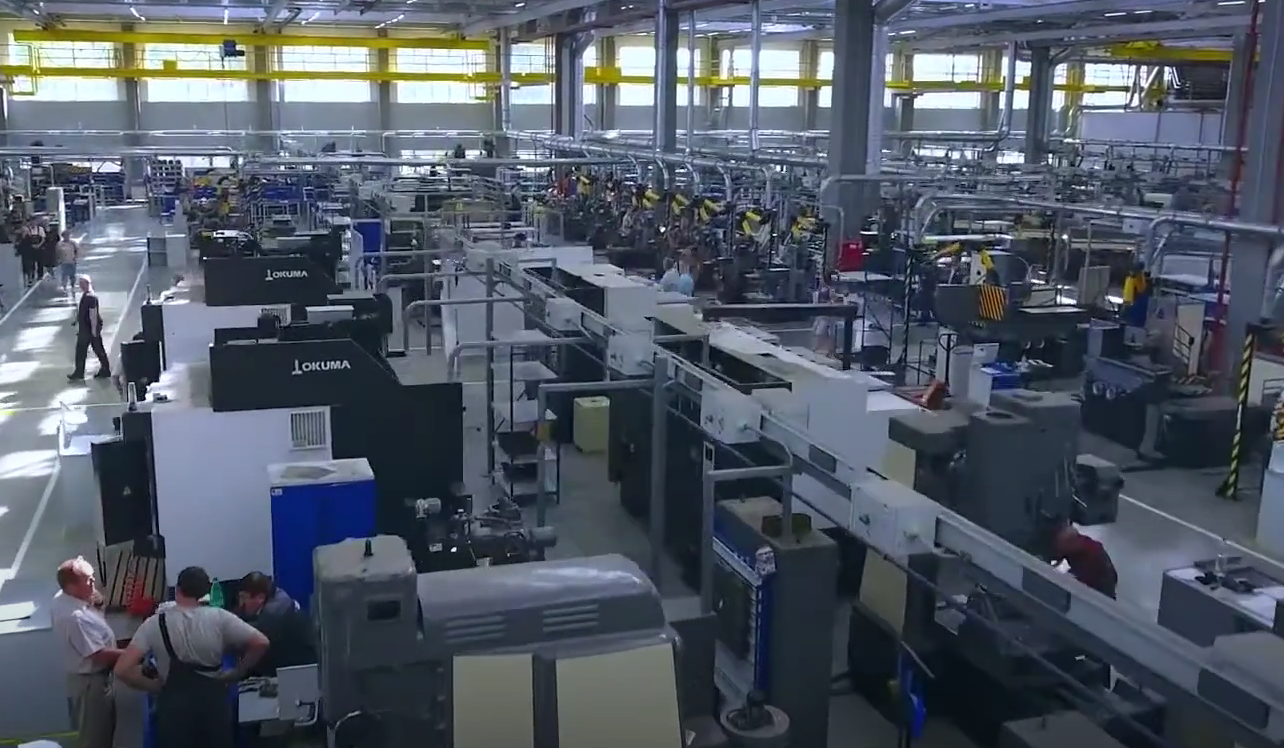
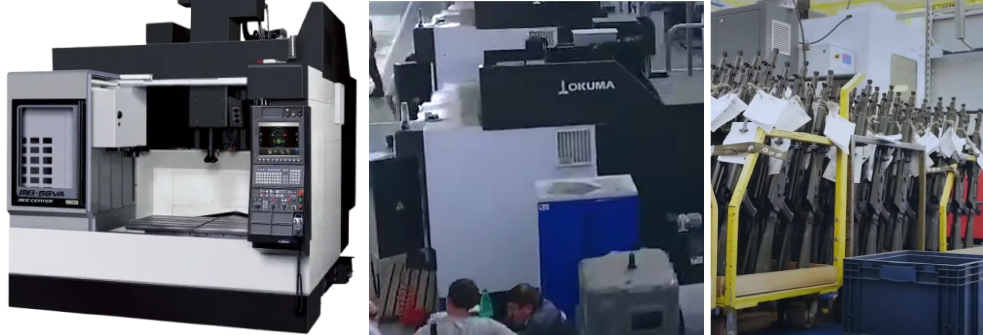
Since the 1970s, Kalashnikov has operated its own machine-tool division that develops metalworking machines for industry. However, its enterprises traditionally preferred Western equipment. In a 2017 video showing Kalashnikov production lines, Ukrainian intelligence identifiedOkuma lathes and vertical machining centers from Japan, as well as an INDEX-Werke turning-milling center from Germany. The same footage displayed rows of finished firearms manufactured at the same plant.
In 2022, following the introduction of international sanctions, Kalashnikov reported difficulties with supply, maintenance, and servicing of its equipment and announced the launch of its own production of longitudinal turning machines and vertical milling CNC lathes.
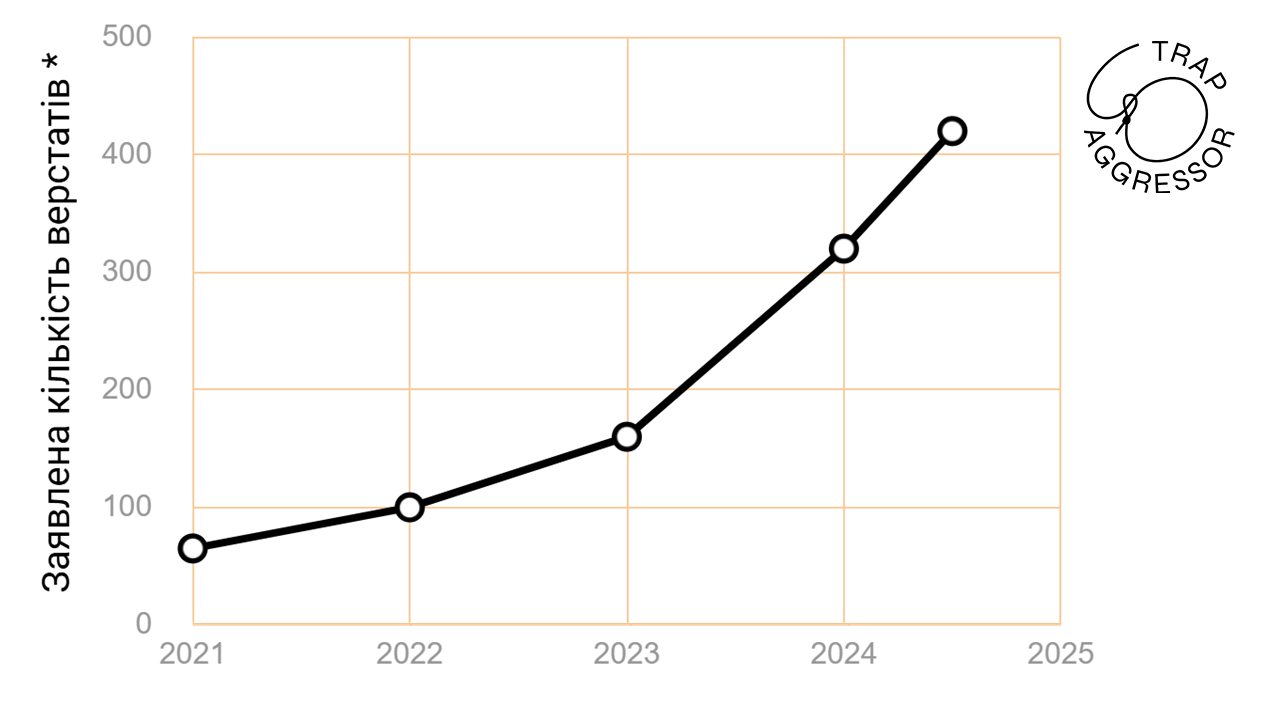
- In 2022, Rostec reported that the enterprise had produced 35% more equipment in the first three quarters than in the previous year and was on track to meet its annual target of 100 machines.
- In 2023, the planned output was raised to 160 units.
- For 2024, production was expected to double – Russian media estimated this would amount to 320 machines. According to the concern, at least in the first quarter, the plan was progressing successfully.
- In August 2025, Rostec announced a further 25% increase in production compared with the first half of the previous year.
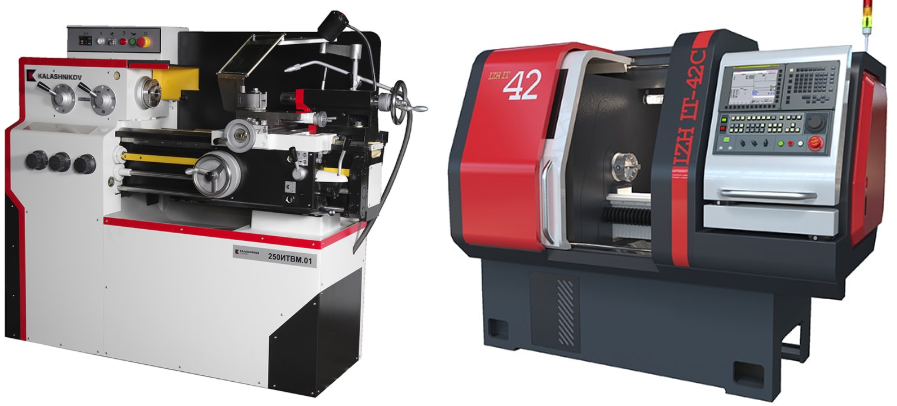
Last year, Rostec named Kalashnikov the only official manufacturer of 250ITVM lathes, including CNC models, for instrumentation and engineering enterprises in Russia. However, it appears that another major player is returning to the market.
In February 2024, Putin signed a decree transferring the Ulyanovsk Machine Tool Plant to the ownership of the Federal Agency for State Property Management (“Rosimushchestvo”), after which DMG Mori announced the complete loss of control over the facility. Six months later, news emerged that the plant, formerly owned by DMG Mori, would resume production for Russia’s defense industry. According to regional deputy governor Sergey Vasin, by summer 2024 Ulyanovsk Machine Tool Plant had hired 40 workers and planned to expand to 100. “Most of the staff who used to work here have also returned,” the plant commented.
After restarting operations, the Ulyanovsk Machine Tool Plant immediately began cooperating with Aviastar, a branch of the Rostec-owned IL PJSC, which produces IL-76 military transport aircraft and engine components. By September, Russian media reported that the plant had produced its first CNC machine.
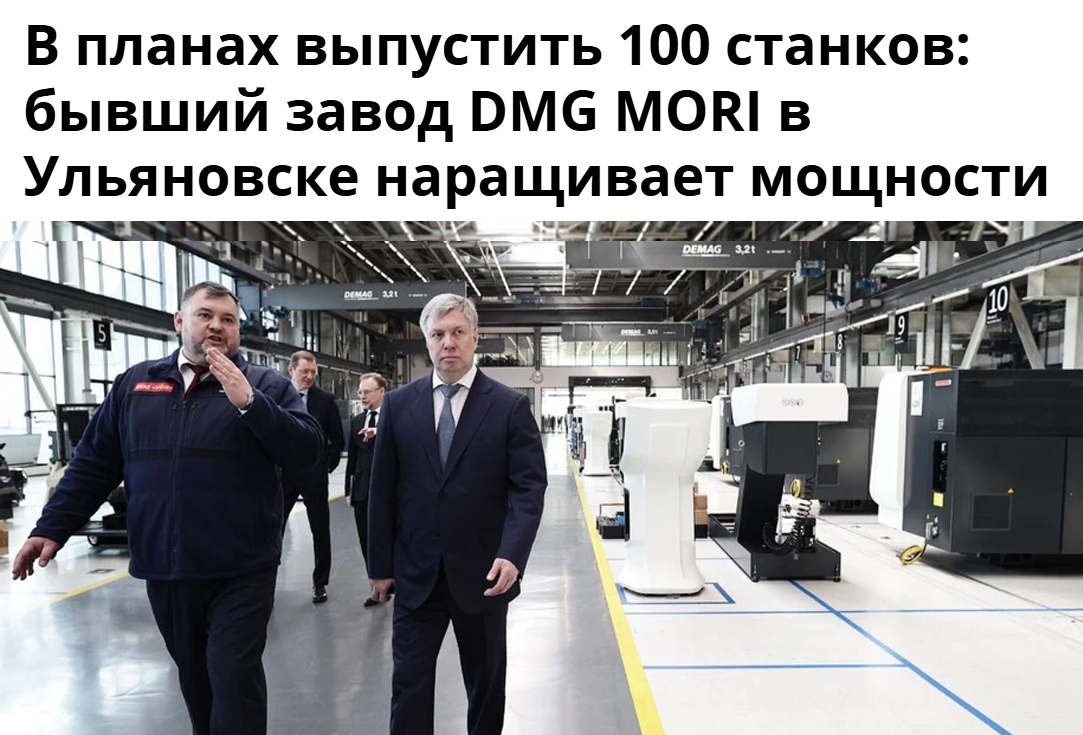
The enterprise is intended to become the core of a new Russian machine tool cluster, which will also include the Ulyanovsk Heavy Machine Tool Plant, FREST, Legato, and PasKom plants. Russian media claim that this autumn the former DMG Mori plant already showcased its “own” equipment – copies of DMG Mori’s DMC-1035 and CTX-510 models – at the Innoprom-Belarus industrial exhibition. Alexey Russkikh has personally reported the successful relaunch of the enterprise to Vladimir Putin.
Given the pace at which Russia is scaling production, it is critical to respond swiftly and tighten the restrictions. CNC machines have long been a weak point in the Russian military-industrial complex, and their replacement must be suppressed while manufacturing still depends on Western components. At the same time, the sanctions coalition should continue strengthening export controls. Analysts from Trap Aggressor have previously shown how Japanese machines continue to reach Russian defense plants despite existing sanctions.
This material was prepared with the support of the International Renaissance Foundation. The material represents the position of the authors and does not necessarily reflect the position of the International Renaissance Foundation.