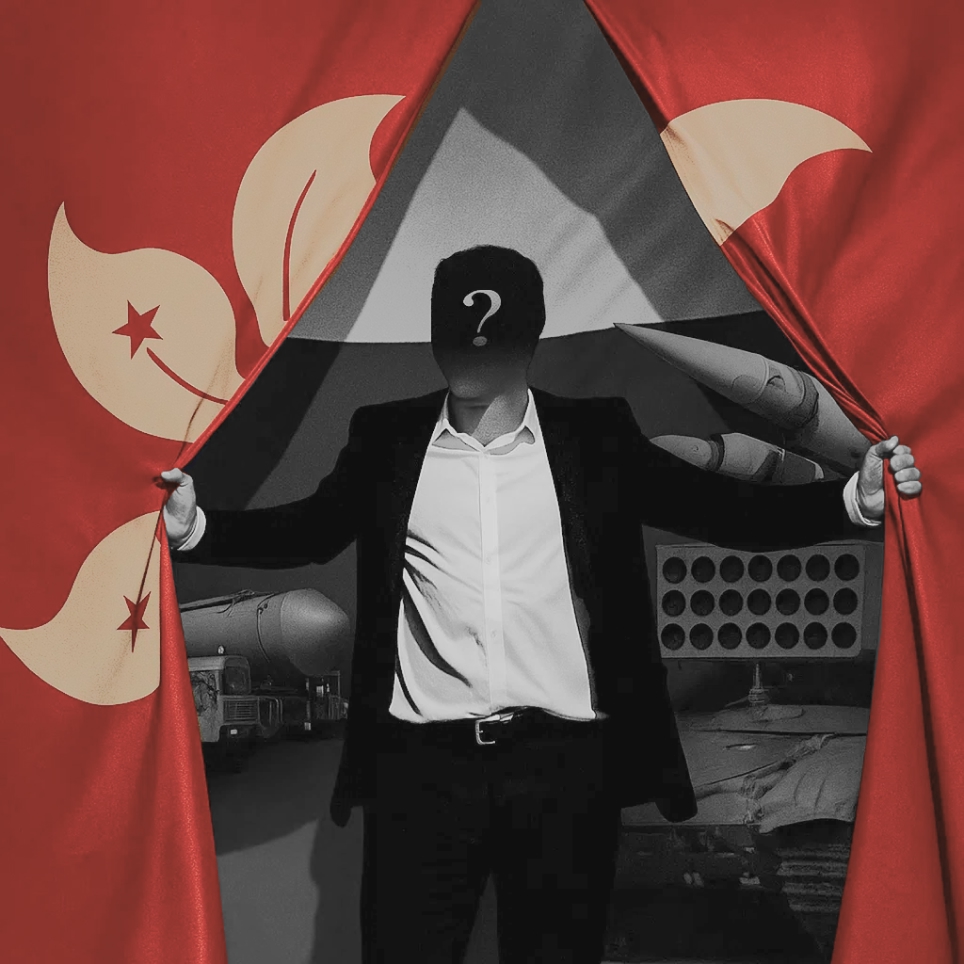

2023. Having served three suspended sentences in his homeland, an Estonian smuggler decides to return to his usual trade. This time, however, he sets his sights on Hong Kong, with a far more serious objective: supporting Russia’s military-industrial complex. Trap Aggressor analysts uncovered the workings of an entire network of intermediary companies helping Russia obtain Western technologies despite international sanctions. Estonian journalist Meinhard Pulk joined the investigation, gathering information about the background of its central figure.
* The registration data of the Hong Kong companies mentioned in the investigation were provided by OCCRP’s Research and Data Desk.
Key Findings:
- Due to its unique economic and geographical factors, Hong Kong has become one of the main jurisdictions for exporting critical goods to Russia, bypassing international sanctions.
- In November 2024, the Hong Kong company Gustave HK Limited supplied Russia with banned Taiwanese Adlink processors worth more than $180,000.
- These components can be used in the production of military equipment, posing a direct threat to the security of Ukraine and its allies.
- The company’s founder, Estonian national Dmitri Polonski, had previously been convicted three times in his homeland for organizing illegal international transport operations and committing tax fraud.
The rise of an Estonian fraudster
Meet Dmitri Polonski – an Estonian, a former member of the United Left Party, passionate tennis player, and owner of a Hong Kong company supplying sanctioned electronics to Russia. His past is checkered, marked by multiple court rulings for fraud.
Polonski’s criminal career began in 2007 when he was convicted for organizing the transport of contraband through Estonia. His ten-member gang received over a million counterfeit cigarettes from an illegal Russian factory and attempted to smuggle them to Sweden, hiding the cargo inside a truck trailer disguised as a load of firewood. The scheme might have worked if customs officers in one of the ports had not questioned why “firewood” was being shipped in a refrigerated trailer.
As the group’s alleged leader, Polonski was handed a three-year suspended sentence and fined more than €20,000. Northern District special prosecutor Kadri Veling described the smuggling case as significant by Estonian standards: “Polonski knew all the details; he organized and coordinated the entire shipment.”
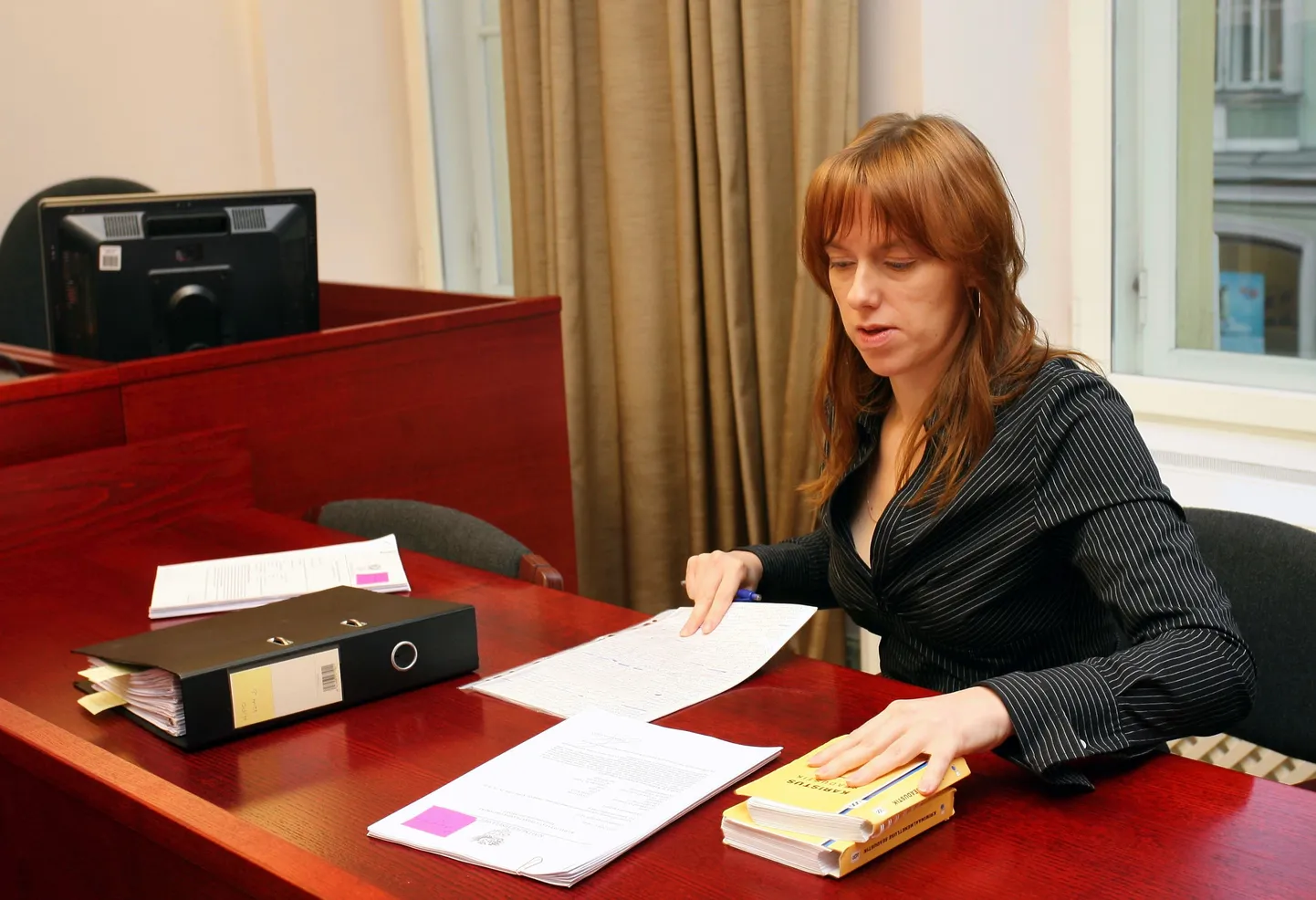
Later, Polonski was found guilty of two more tax fraud schemes involving shell companies. Investigators proved his role in creating a so-called “bill factory” through which three firms evaded €530,000 in taxes between 2017 and 2019. The money was allegedly used to purchase goods in Europe and China for export to Russia, but in reality, the cash flowed back to Estonia into the pockets of Polonski and his partners.
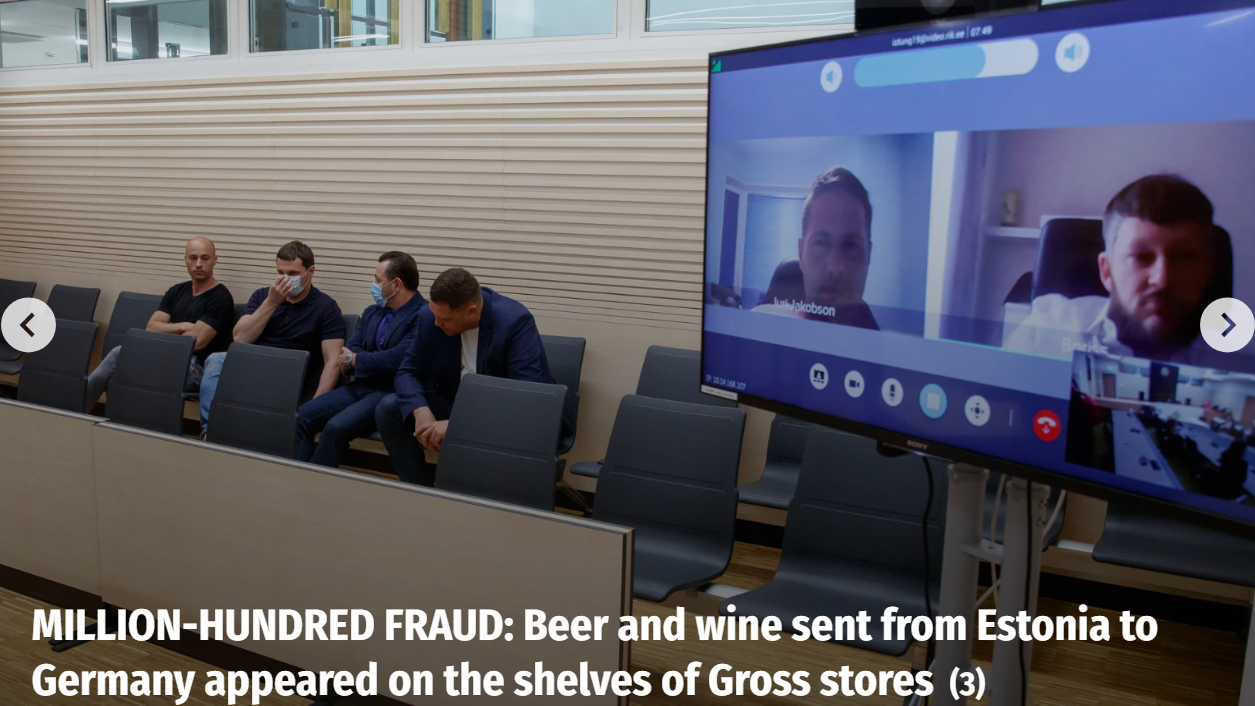
Finally, in 2020, companies controlled by Polonski ordered over one million liters of alcohol from Estonian producers. The shipments were declared as exports to Germany and thus exempt from excise duty. In truth, the documents were forged, and the alcohol was sold domestically. The scam cost the Estonian state €1.4 million. For this, Polonski was sentenced to over four years in prison – though he served only four months in pretrial detention.
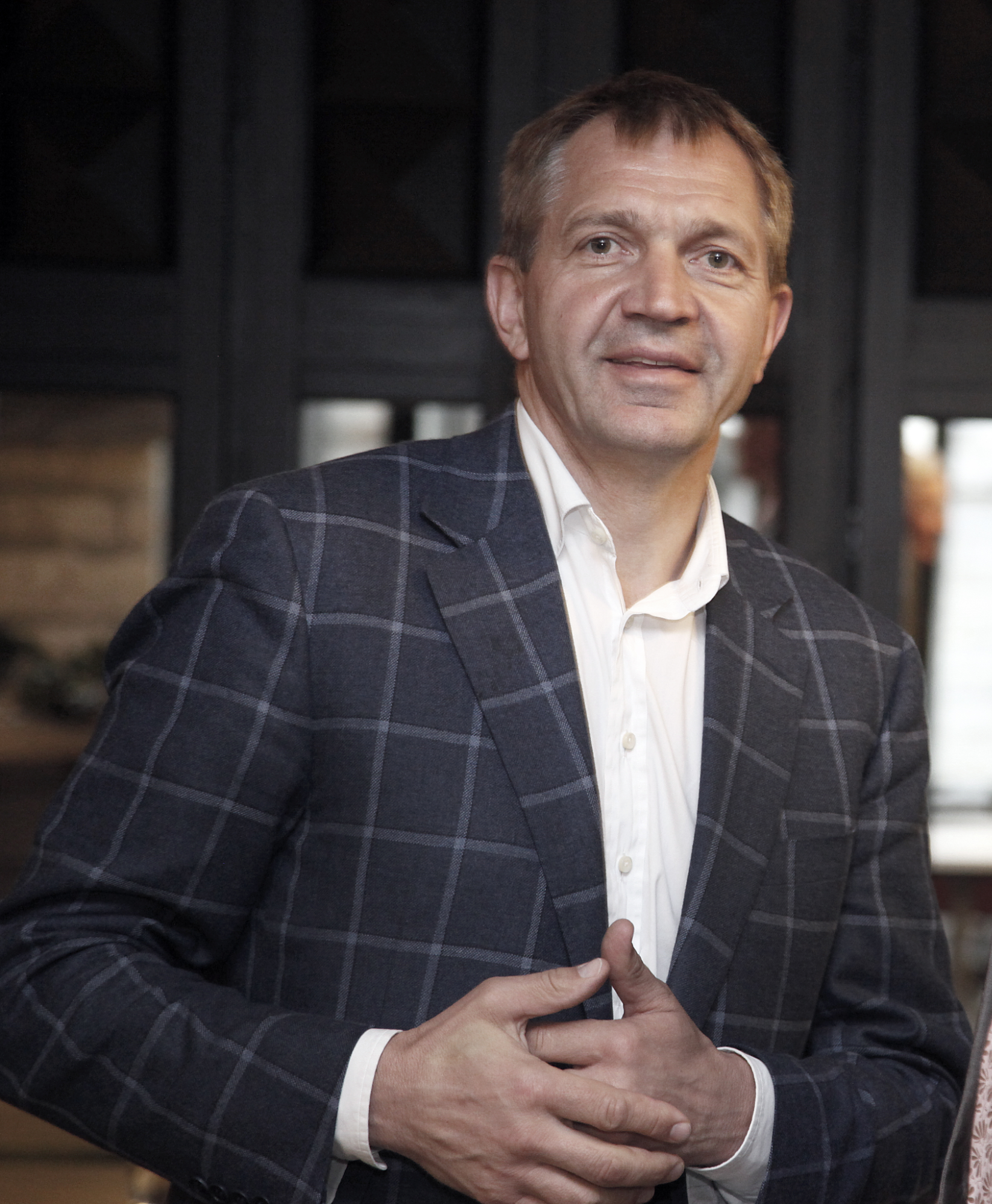
To sum up, one of Polonski’s acquaintances will provide a brief description of him. Media sources often note Dmitri’s passion for tennis – in 2011, he even played in a tournament for Estonia’s wealthy. Investigative journalist Meinhard Pulk of Postimees obtained a comment from Estonian businessman Urmas Sõõrumaa, owner of a tennis center where Polonski had been a minority shareholder.
“I know him [Polonski] well. As a member of the tennis club, I have nothing to say. I haven’t had any professional dealings with him. So far, my contacts with him have only been sports-related. (…) When I used to do business in Russia [Sõõrumaa says he left the Russian market in 2011-2012], I often met him. (…) Yes, I’ve heard a few things [about his tax frauds]. He’s always been a bit of a borderline case. He’s more cunning than a thief. He tries to be smarter than everyone else.”
The three court cases clearly failed to leave a lasting mark. After serving his suspended sentences, Polonski returned to his old line of work – organizing international shipments through intermediary companies. His past ties with Russians came in handy, though this time he decided not to operate out of Estonia.
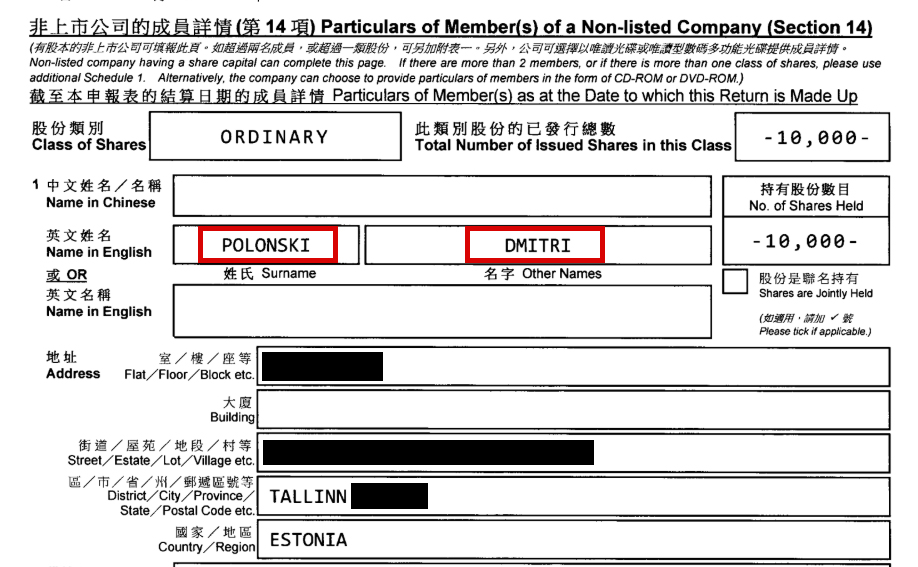
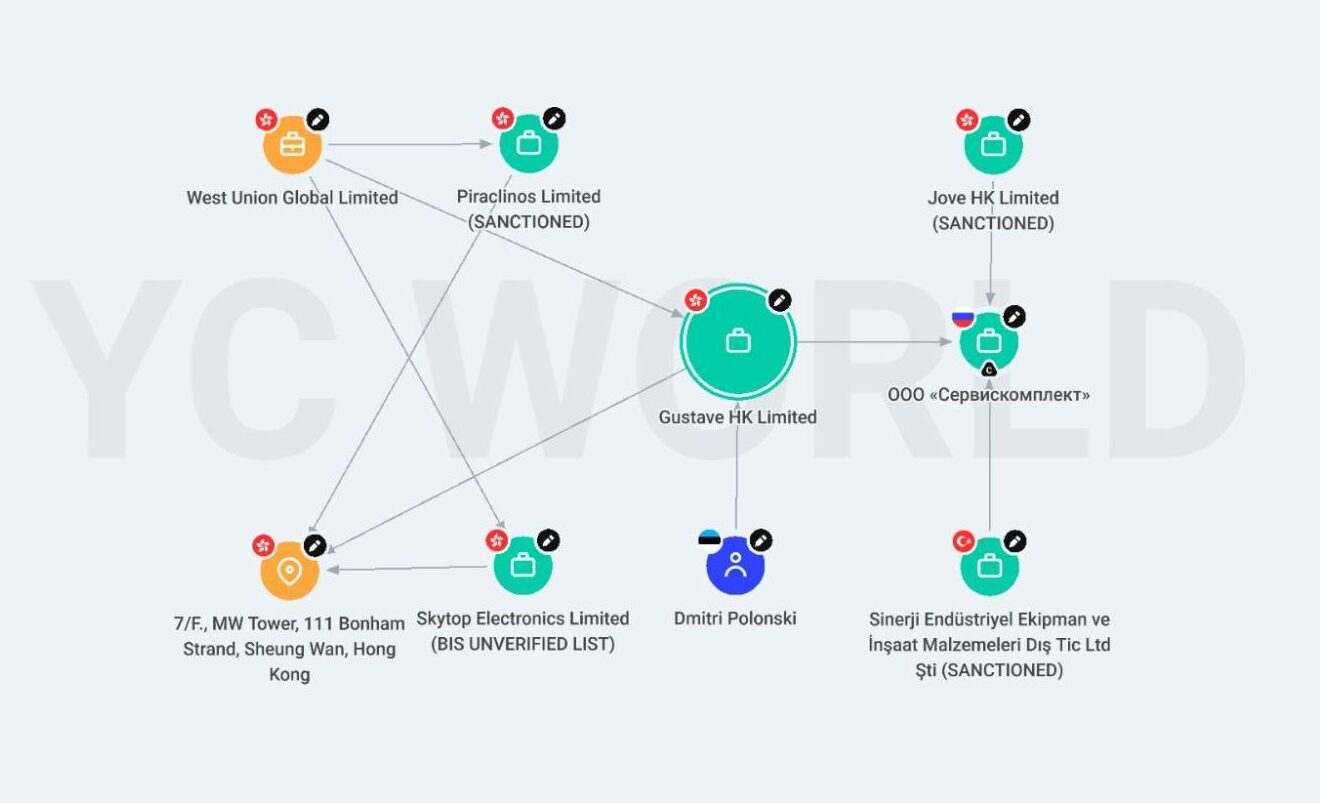
On February 16, 2023, Gustave HK Limited was registered at 7/F, MW Tower, 111 Bonham Strand, Sheung Wan, Hong Kong. Official filings with Hong Kong’s Companies Registry listed the firm as a provider of “logistics and forwarding services,” naming Dmitri Polonski as its sole shareholder and director.
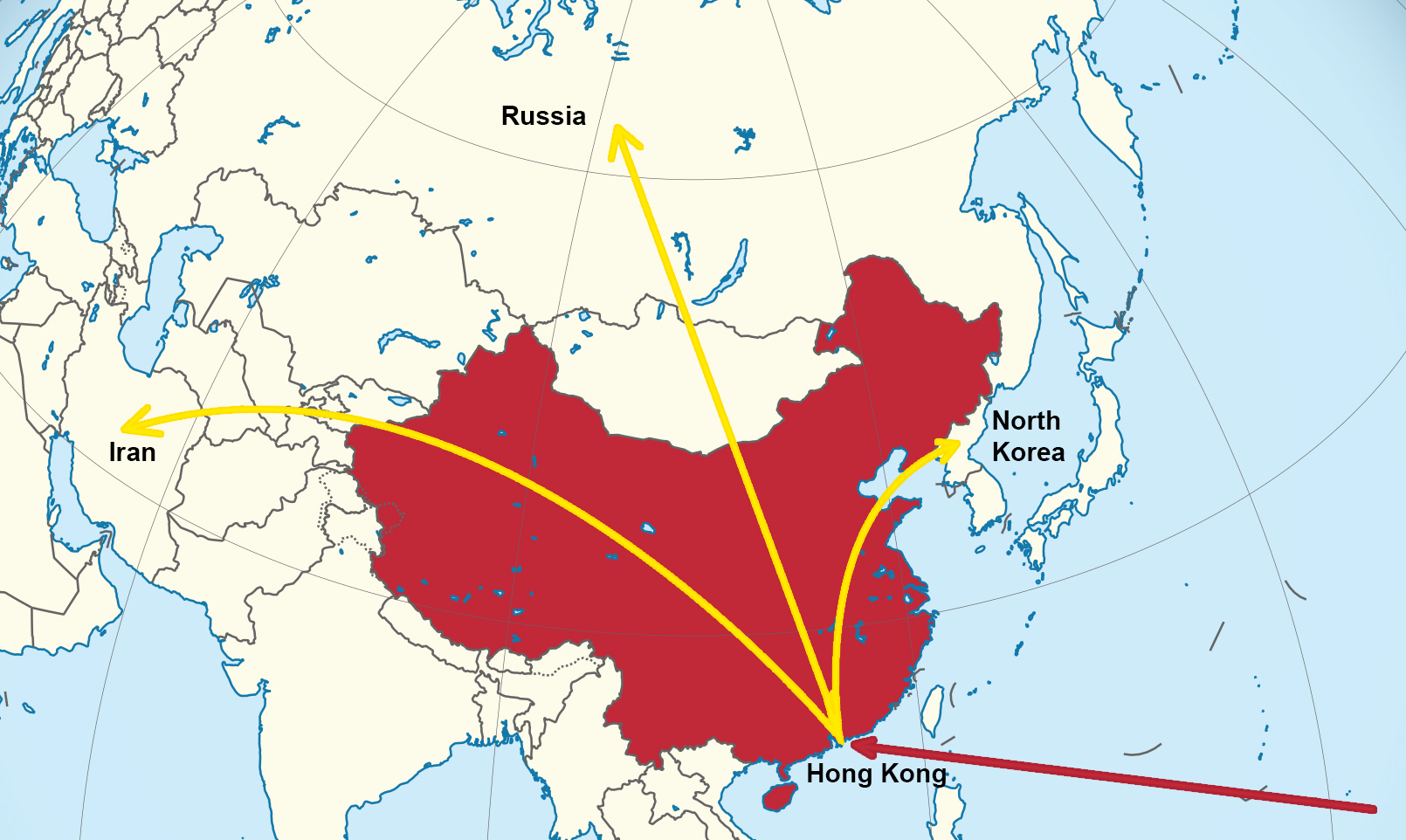
Polonski’s choice of jurisdiction was no accident. In recent years, Hong Kong has become an attractive hub for registering shell companies with foreign ownership. As a global financial center, imports to Hong Kong rarely raise suspicion among Western producers, allowing goods to be rerouted onward without difficulty. The regulatory framework also allows owners to conceal their identities and makes it easy to quickly establish or liquidate firms, complicating enforcement efforts.
Geography adds further advantages: Hong Kong is closely tied to both mainland China and global maritime trade routes. Its tax system is especially favorable, since corporate tax rates are lower than in China and profits earned abroad are not taxed at all. Taken together, these factors make Hong Kong a convenient logistics node for bypassing sanctions and supplying banned goods to sanctioned states, including North Korea, Iran, and Russia.
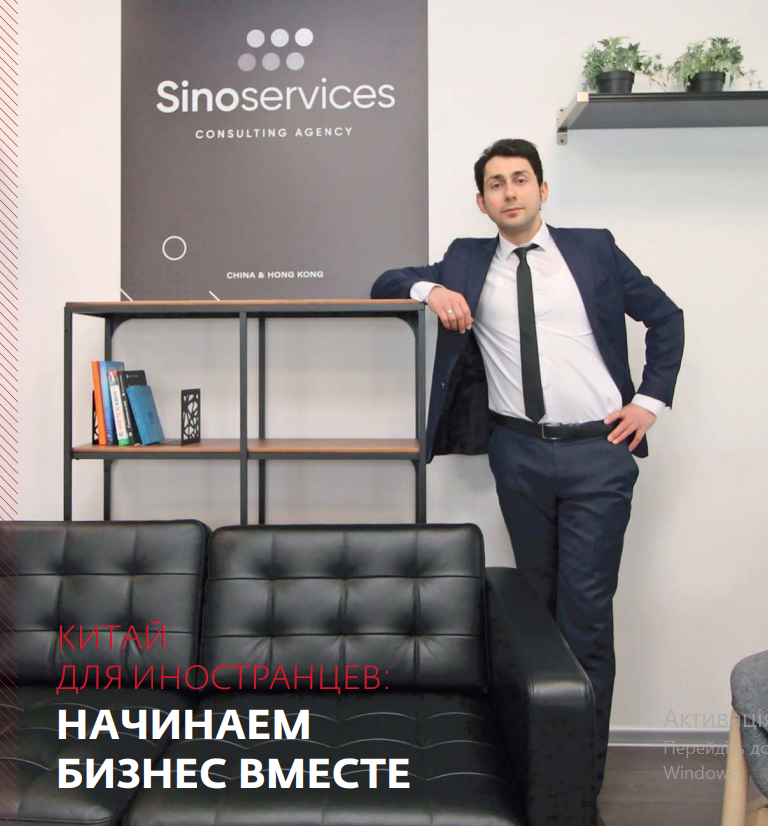
Yet, Polonski could not register the company by himself. Under Hong Kong law, every company must appoint a corporate secretary – another locally registered firm responsible for compliance and communication with authorities. In practice, such secretary firms often collaborate with Russians, offering fast, low-cost registration services along with administrative support: “This is called reducing jurisdictional risks. (…) We fully resolve clients’ issues in China and Hong Kong. We help with trademark registration, bookkeeping, and government inspections,” explained Russian national Artyom Saroyan, director of one such firm, Sino Secretary Limited, in an interview with a Russian business magazine.
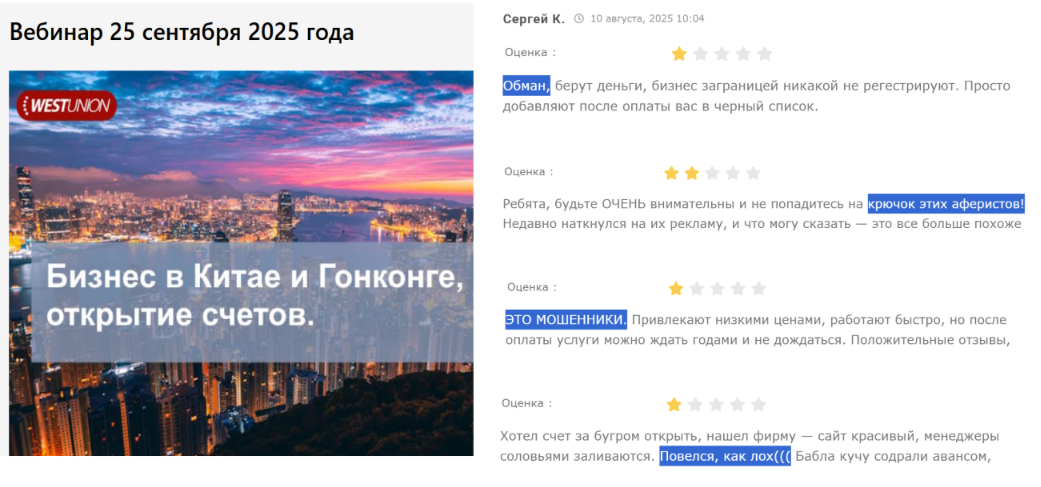
For Gustave HK Limited, Polonski turned to secretary firm West Union Global Limited. Its official website presents it as an international holding with offices in 32 countries, offering services to entrepreneurs worldwide who want to set up new businesses. The site even claims to operate a branch in Kyiv, Ukraine. However, through a link accessible only from Russian IP addresses, a Russian-language version of the page appears, and it tells a very different story.
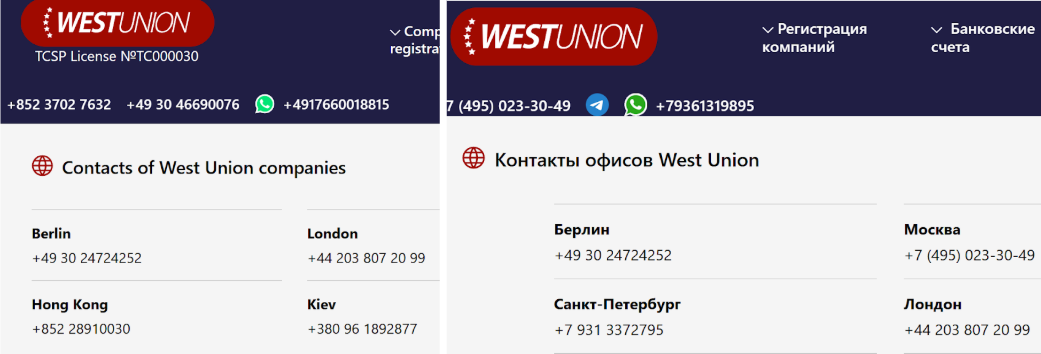
Screenshots from the Internet reveal striking differences. In the Russian version, the supposed Kyiv branch disappears, replaced by offices in Moscow and St. Petersburg. The contact details are switched to Russian phone numbers.The page is active and regularly updated, prominently advertising an upcoming “Business in China and Hong Kong” webinar scheduled according to Moscow time. Meanwhile, West Union’s profile on a consumer review website paints a bleak picture: a dismal rating accompanied by dozens of negative reviews, with Russian users consistently accusing the company of fraud.
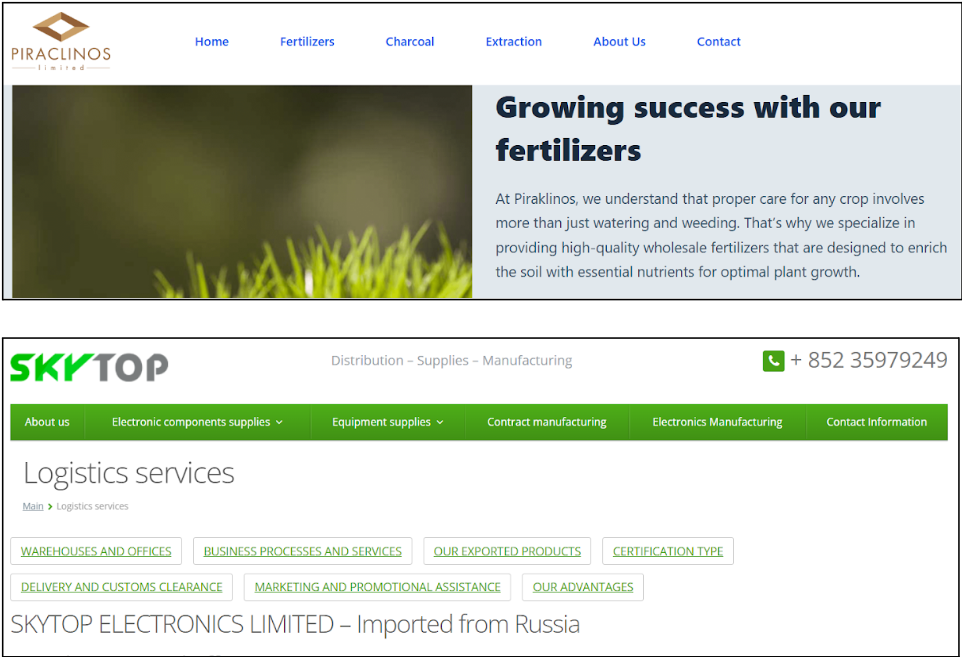
What’s more: West Union-registered companies have repeatedly violated international export rules. One such case is Piraclinos Limited, a Hong Kong-based company that officially claimed to sell fertilizers and charcoal but in reality earned millions selling microchips to the Russian company VMK – a deal that landed it under sanctions. Among the past directors and owners of Piraclinos Limited is a Kyrgyz citizen and two West Union employees Svilen Spasov and Katerina Hadjikyriacou, both residing in Cyprus.
Another client of the secretary firm, Skytop Electronics Limited, makes little effort to hide its activities. On the very first page of its website it openly declares trading electronics with Russia. Customs data show it shipped at least $140,000 worth of sanctioned goods to Russia in 2024. As a result, the U.S. Bureau of Industry and Security placed Skytop Electronics on its “Unverified List” – a register of companies that have violated international export regulations and failed to prove the legitimate end use of their products.
Both Piraclinos and Skytop share the same Hong Kong address as Polonski’s Gustave HK Limited: 7/F, MW Tower, 111 Bonham Strand, Sheung Wan. Unsurprisingly, soon Polonski’s company began shipping goods to Russia as well.
Gustave HK Limited first dealt in small shipments of batteries from Lithuania to Kaliningrad. Soon after came Taiwanese Adlink processors – critical dual-use electronics included on the List of Common High Priority Items (CHPL) and banned for export to Russia. In November 2024, the company sold over $180,000 worth of these processors.
Responding to Meinhard Pulk’s questions, Dmitri Polonski denied any links to Gustave HK Limited, insisted he had never heard of the company, and asked what computer processors were. When presented with documentary evidence of shipments to Russia, Polonski ceased further communication.
On the Russian side, the declared importer was ServisKomplekt LLC. However, customs documents listed the tax ID of a legal entity dissolved back in 2013. The likely real recipient was a new ServisKomplekt LLC established in 2023 in Yekaterinburg.
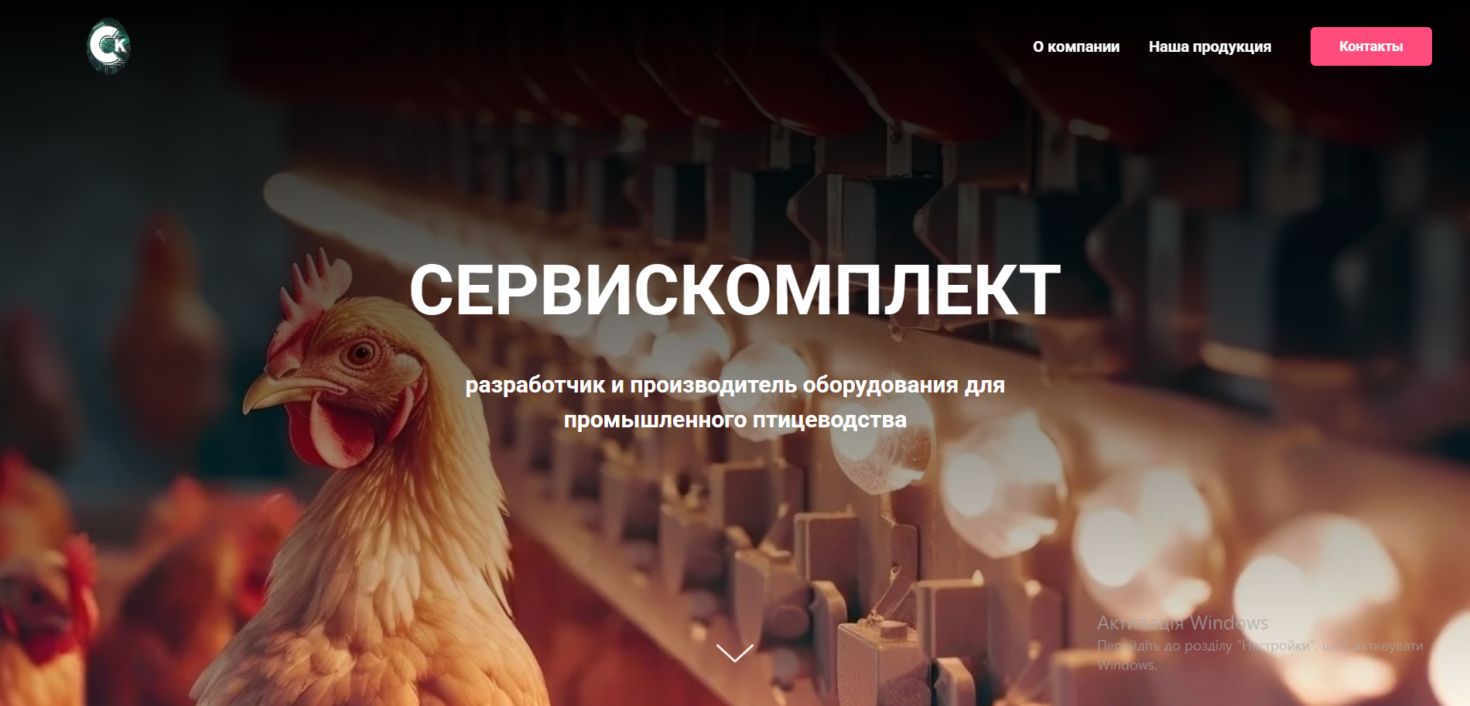
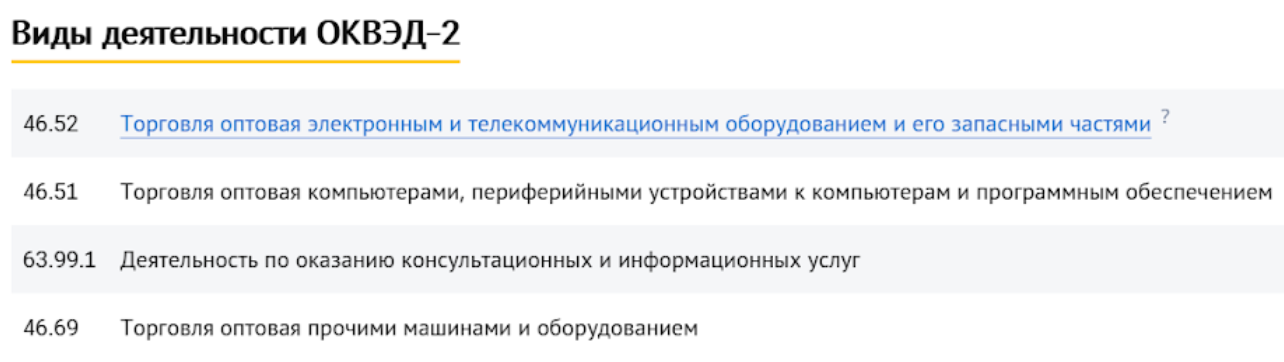
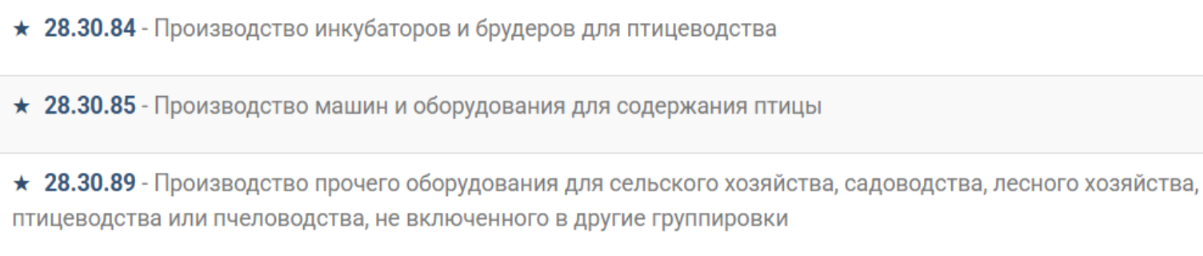
On its one-page website, ServisKomplekt claims to manufacture equipment for industrial poultry farming. Yet the official state registry lists its activities as trade in electronic and telecommunications equipment, computers, and software – with no mention of agricultural technology or poultry farms, despite the fact that Russian legislation provides the specific classifiers for such activities.
Moreover, Polonski was not ServisKomplekt’s first supplier of banned goods. Since June 2023, the same “invalid” tax ID has been used to receive at least $2.4 million in sanctioned products. About half came from Turkish firm Sinerji Endüstriyel Ekipman ve İnşaat Malzemeleri Dış Ticaret Limited Şirketi, founded by Moldovan citizens and sanctioned in October 2024. The shipments included microchips from U.S. companies Texas Instruments Inc. and Microchip Technology Inc., as well as Swiss firm STMicroelectronics. Another supplier, the Hong Kong-based Jove Hongkong Limited, was owned by Russian Denis Postovoy, later arrested in the U.S. for selling American microelectronics. According to prosecutors, the components were used in Russian drone production.
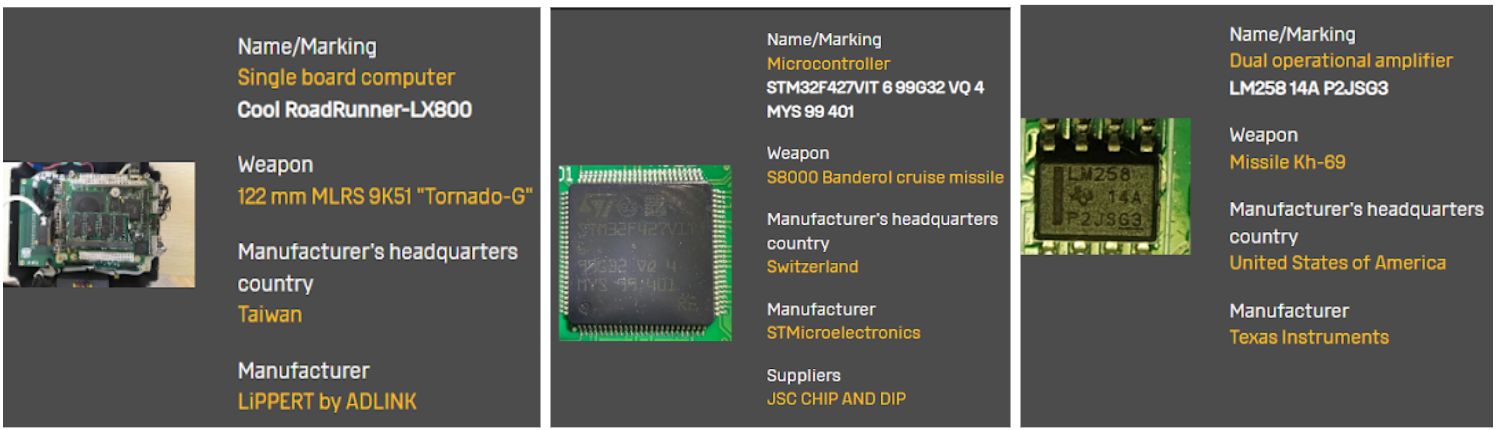
And not just drones: according to the Ukraine Defence Intelligence’s “War & Sanctions” portal, Western electronics are used by Russia in cruise and ballistic missiles, loitering munitions, and armored vehicles. For example, computers manufactured by Adlink – the firm whose processors were sold to Russia by Gustave HK Limited – were found in the fire-control system of Russia’s “Tornado-G” multiple rocket launcher. Meanwhile, components from STMicroelectronics and Texas Instruments are found in Kh-101, Kh-59, and Kinzhal missiles.
With “Shahed” drones crashing in Poland and Russia staging provocations along Estonia’s border, stories like this seem almost surreal. While the coalition of partners pushes for stronger sanctions, Russia enlists European entrepreneurs to build schemes for delivering goods and money through third countries. The case of Polonski’s company highlights the system’s typical practices: shady registration in Hong Kong, fake websites, hidden mirror pages and falsified customs data. For their own profit, such entrepreneurs feed Russia’s military-industrial complex with critical components – indifferent to the fact that tomorrow, this machinery may bring death and destruction to their own doorstep.
This publication was prepared with the support of the Prague Civil Society Centre. Its content is the sole responsibility of the authors and does not necessarily reflect the views of the Prague Civil Society Centre.