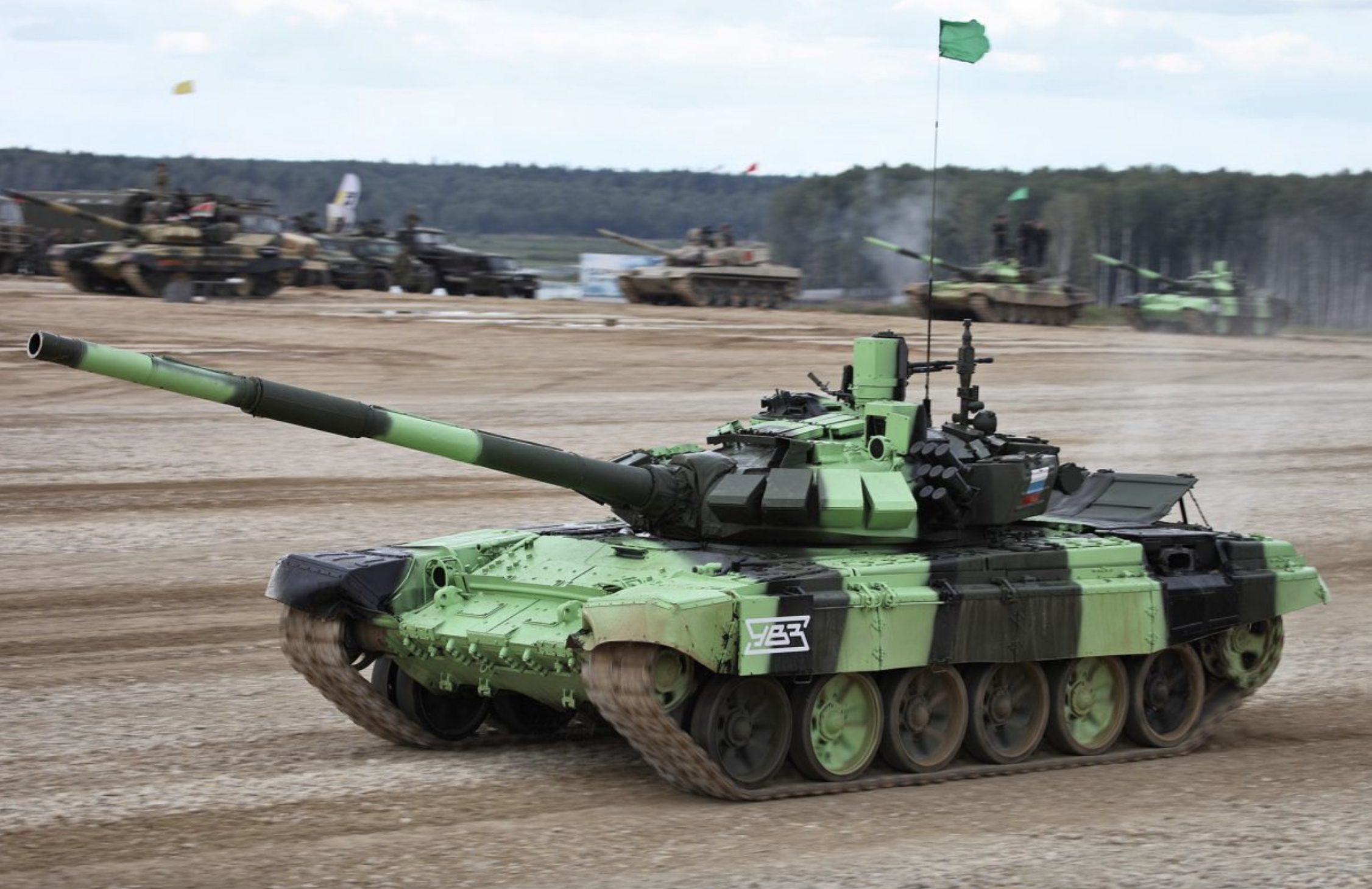


Russia continues receiving critical components for the manufacture of weapons from Western countries. Ukrainians frequently find them among the ruins of hospitals and houses destroyed by missiles and, of course, at the frontlines. Ukrainian, German, and French journalists have joined forces in a joint investigation to trace the complicated path of components from the EU to Russia. Today, Trap Aggressor, German Süddeutsche Zeitung, NDR, WDR, and French Le Monde reveal the network of companies of the Russian Promtekh group and the supply chain of foreign components to Russia.
Key takeaways:
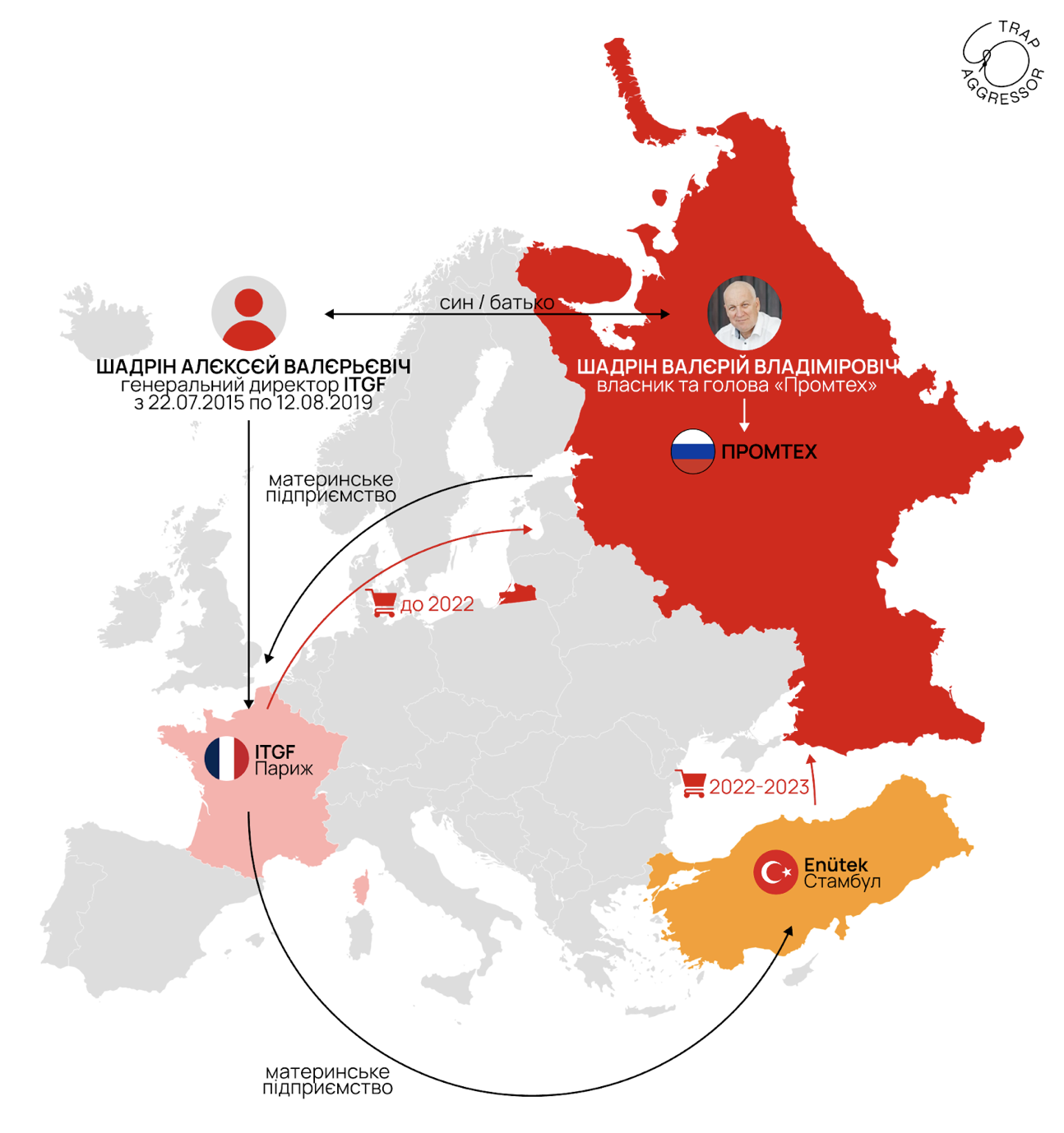
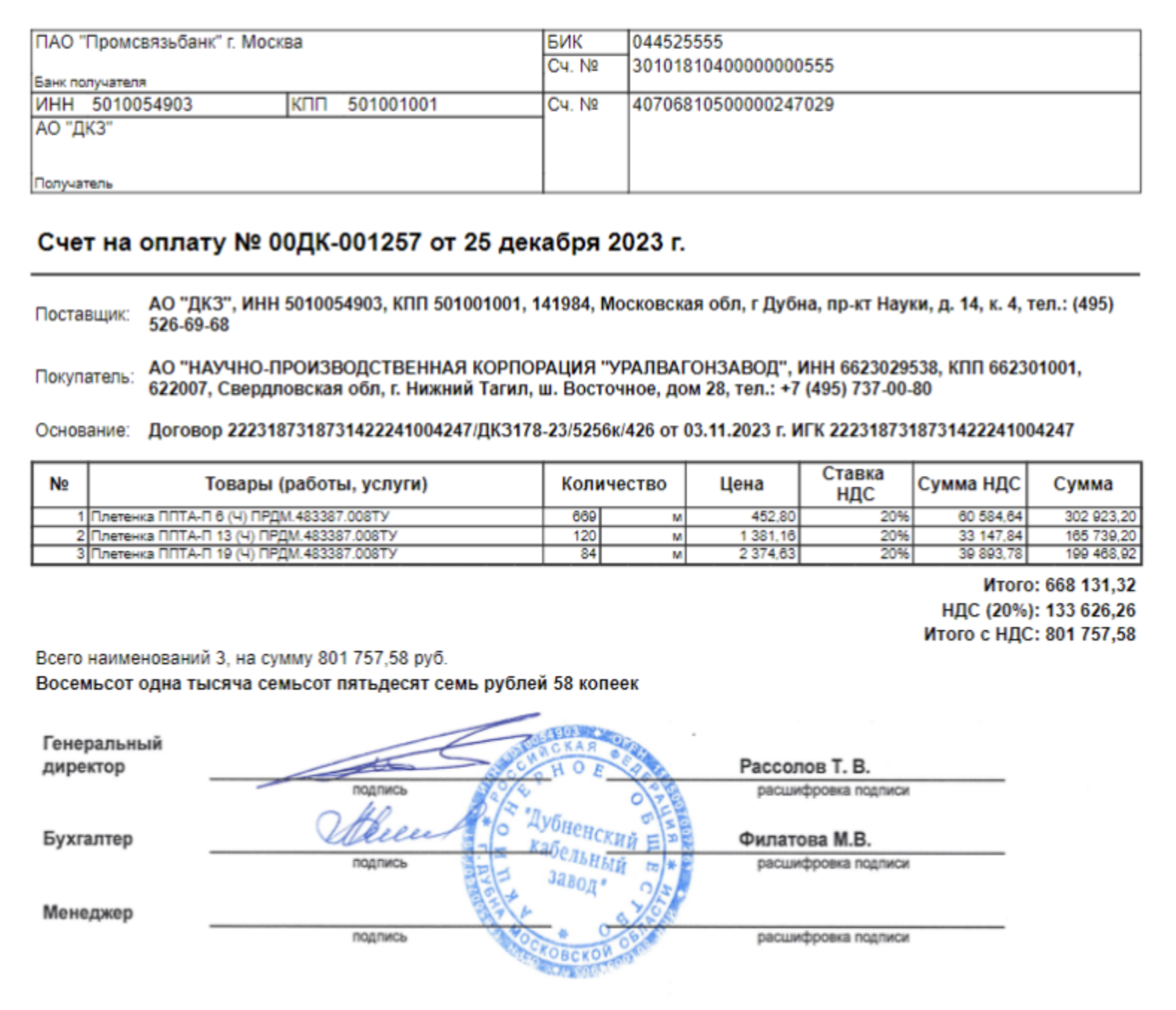
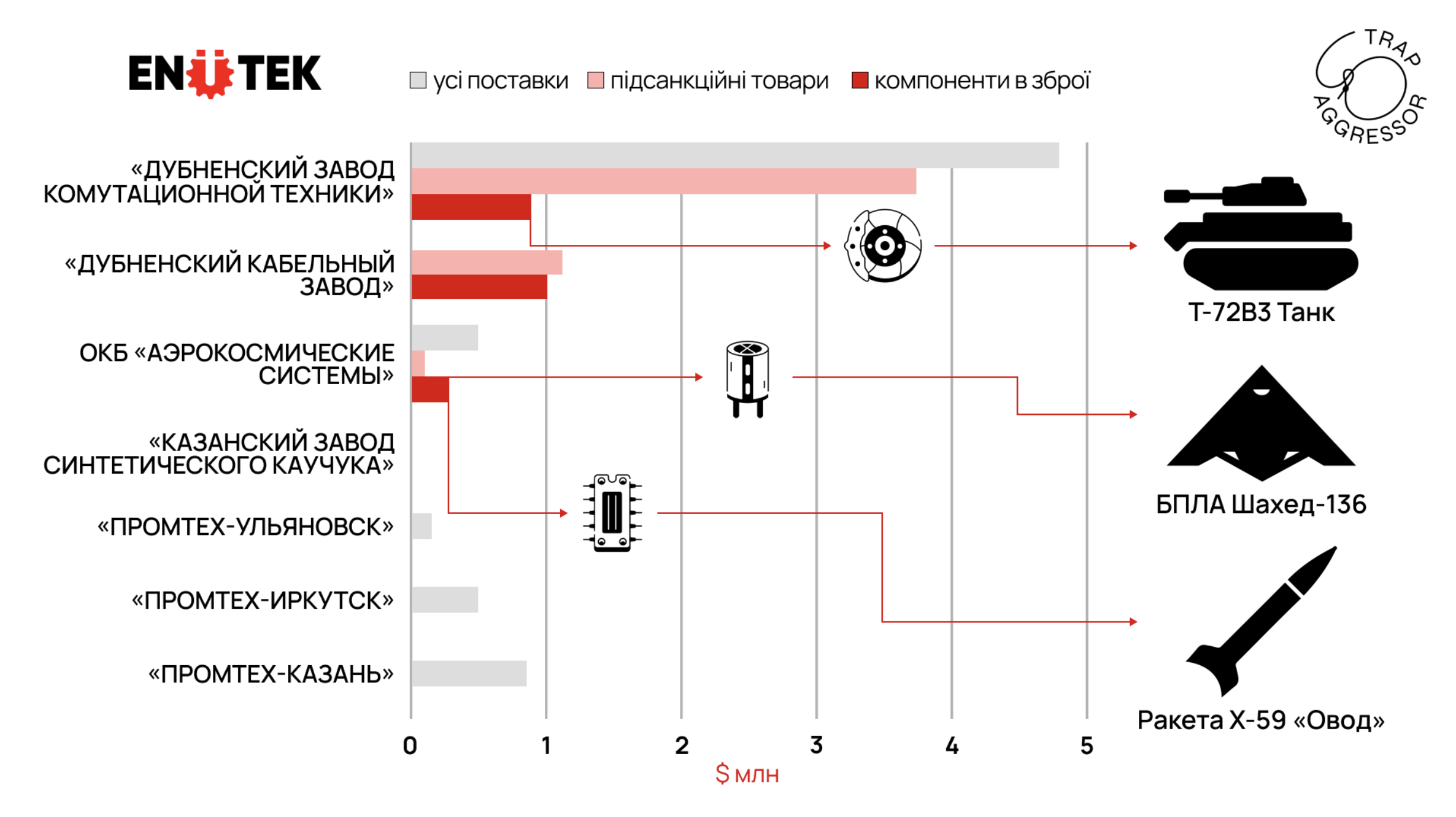
- In 2023, Russian Promtekh enterprises supplied wires to a Russian tank manufacturer and purchased Western defence-critical products, including CNC machines, through the Turkish company Enütek.
- Enütek supplied components, similar to those used in Russian weapons, worth at least $850,000.
- Enütek was founded by the French company ITGF, in which Promtekh was the sole shareholder until May 2022.
Promtekh also has clients among such giants as Russian Helicopters, Roscosmos, United Aircraft Corporation, Rosatom, and others. The corporation’s enterprises regularly demonstrate their products at military forums and salons, such as the International Naval Salon, HeliRussia, and Army. Initially, Promtech produced electrical and electronic components for aircraft. Now Promtekh produces the most critical components for the technological cycle on its own. Yet it also continues purchasing some Western components through third countries.
Valery Shadrin is the founder and CEO of the parent company Promtekh.
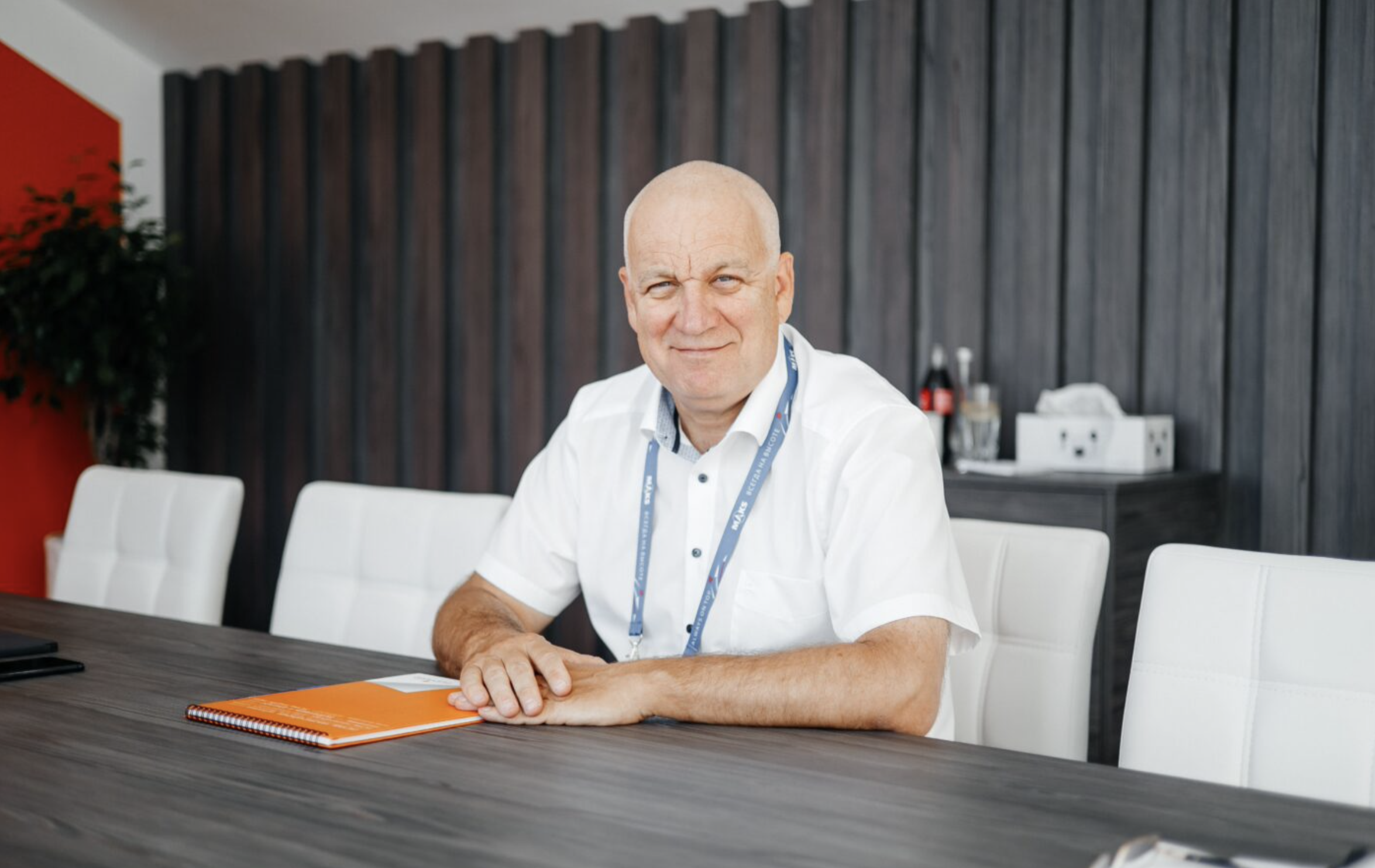
According to his LinkedIn page, Shadrin is a ballistic engineer by training. He graduated from the Mozhaisky Military Space Academy. It is not surprising that Shadrin’s companies are directly or indirectly involved in the Russian military-industrial complex.
Promtekh enterprises work for the Russian military-industrial complex, in particular, 15 companies of the group are under US sanctions for their involvement in the Russian military-industrial complex, production of electronic components and technologies for the aviation and electronics industries, as well as for fulfilling government defence contracts. One of the corporation’s enterprises, Dubna Cable Plant (DKZ), has been successfully passing the voluntary Military Register certification since at least 2019. This certification confirms compliance with Russian national standards in the production of weapons and military equipment. The latest certification received by the plant is valid until 2025.
From Turkey to Russia
Groups of companies such as Promtekh should have been the first to lose access to Western technology after the sanctions were imposed. However, in 2023 DKZ imported $3.2 million worth of Western-made computer numerical control machines (CNC machines). Such machines are an important technology for the modern defence industry. These are robotic machines that produce parts needed for the production of missiles, airplanes, drones, and other weapons. Russia is not able to produce these machines on its own.
In the 12th package of sanctions in December 2023, the European Union significantly restricted the re-export of CNC machines and systems from third countries. Prior to this decision, companies used a loophole to supply critical products to the Russian military-industrial complex.
“Such machines were not subject to export and re-export bans at the time of delivery, as they were delivered before the adoption of the 12th EU sanctions package. However, the machines are potentially subject to EU export controls as dual-use goods that require a special permit or license to be exported,” explained Olena Yurchenko, Senior Analyst at the Economic Security Council of Ukraine.
The Turkish company Enütek, founded in December 2022, supplied sanctioned products to DKZ. According to Russian customs, in 2023, this company exported goods worth $7.7 million to Russia. Enütek’s Russian clients are all enterprises of the Promtech corporation, including the Dubna Plant of Switching Equipment, Aerospace Systems Design Bureau, Promtech-Ulyanovsk, Promtech-Irkutsk, Promtech-Kazan, and the Kazan Synthetic Rubber Plant.
Ex-subsidiary company in France
Journalists from NDR, WDR, Süddeutsche Zeitung and Le Monde sent inquiries to Western manufacturers of products that Enütek supplied to Russia. It turned out that a number of manufacturers had previously sold their products to Promtekh, but with the start of Russia’s full-scale aggression, these collaborations were terminated. For example, the French manufacturer Souriau reported that Promtekh had bought connectors from them. Another French company, Thales Avionics Electrical Systems, which produces onboard radar and electronic warfare systems, was a customer of the Russian companies Promtekhkomplekt and Promtekhservice of the Promtekh group. They purchased aircraft power generation and conversion systems.
Some companies also confirmed that Enütek was among their clients after the end of cooperation with Promtekh. For example, the French company Attax had been cooperating with Promtekh since 2021 and stopped working as soon as sanctions on civilian aircraft seat fastening systems came into effect. “In April 2023, Enütek contacted us by email to one of the standard addresses where potential customers could send us their inquiries. They said they wanted to buy two of our items (seat fasteners for commercial aircraft) for one of their customers who specializes in seat repair.”
Thus, the Turkish Enütek has been establishing ties with former suppliers of Promtekh enterprises since the latter lost the ability to purchase parts directly. The Turkish company’s loyalty to Shadrin’s Russian enterprises is explained by data from the registers.
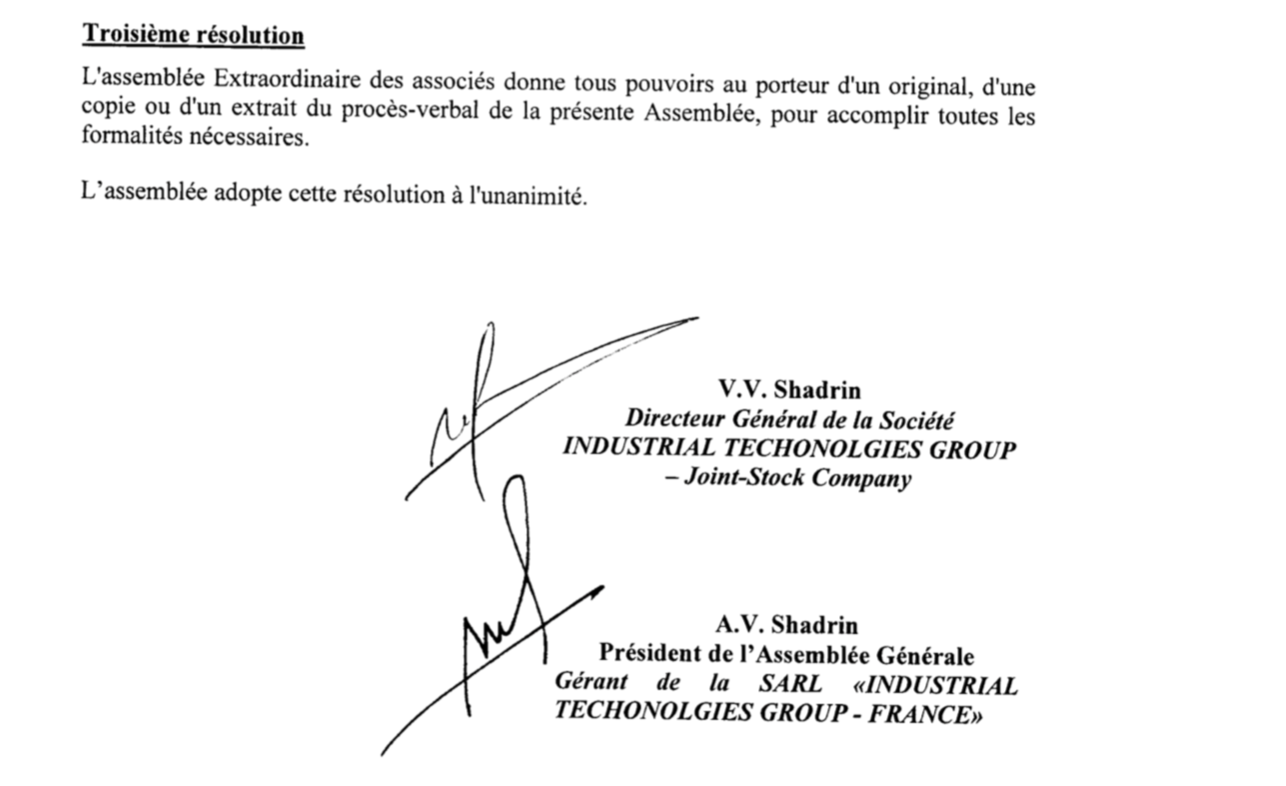
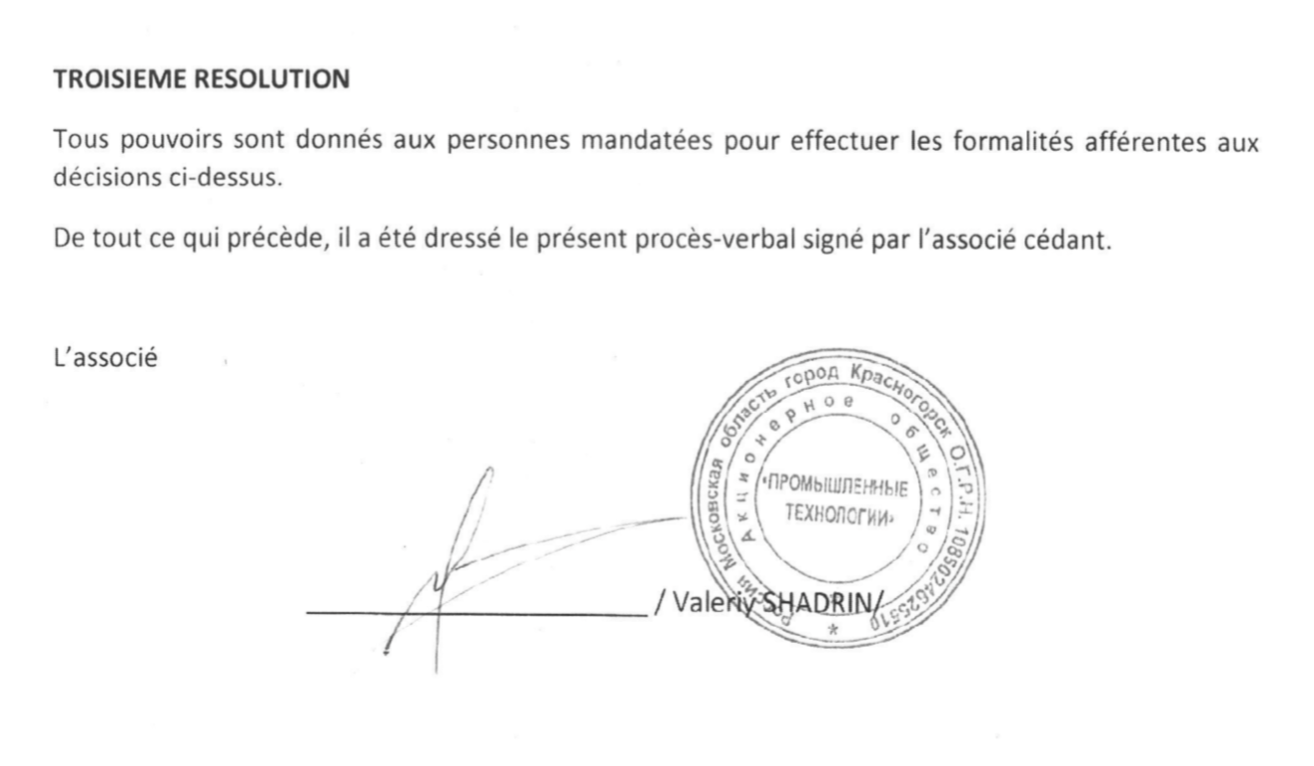
Later, ITGF created the Turkish company Enütek, which in 2023 provided Shadrin’s Russian Promtekh with the necessary accessories for weapons production.
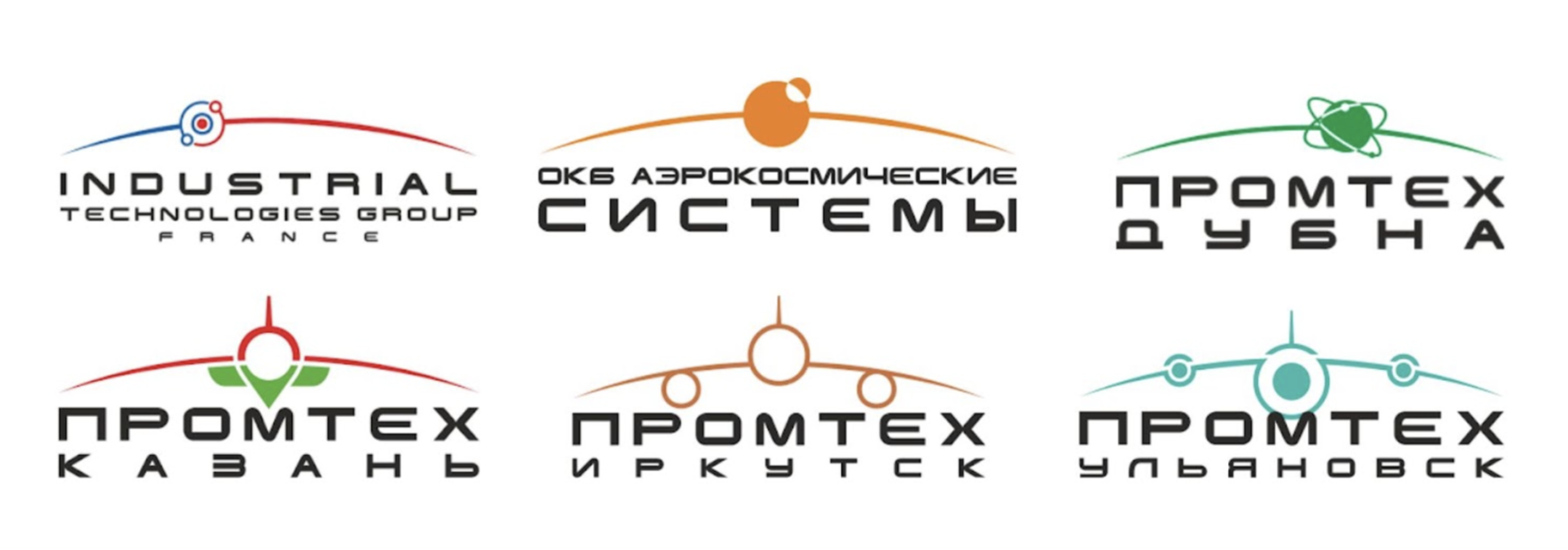
ITGF claims to be an independent French company. However, ITGF was founded with the participation of Russia’s Promtekh, traded for years with Russian companies of the Promtekh group, created a Turkish company during Russia’s full-scale invasion of Ukraine that supplied critical products to the Russian defense industry, and the name and logo of ITGF are almost identical to those of Russian companies. Thus, ITGF, Promtech, and Enütek resemble a classic network of companies cooperating to provide Russian manufacturers with Western products under sanctions pressure on the aggressor country.
What about sanctions?
The European Union is trying to influence the networks of Russian businesses closely linked to the military-industrial complex through sanctions and criminal cases. However, manufacturers themselves can also stop such supplies. During the investigation, Trap Aggressor and its partners received an anonymous letter stating that Enütek had ordered parts from a European company that the company had previously supplied to Promtekh. Probably, the company’s compliance department was concerned that a suspicious customer like Enütek had appeared out of nowhere and warned the management and sales department about it. Nevertheless, the company continued to place the order. This example eloquently demonstrates that Western manufacturers should check customers more carefully, especially those from outside the EU. The key issue in the sanctions story is the responsibility of European companies for failing to vet their own customers.