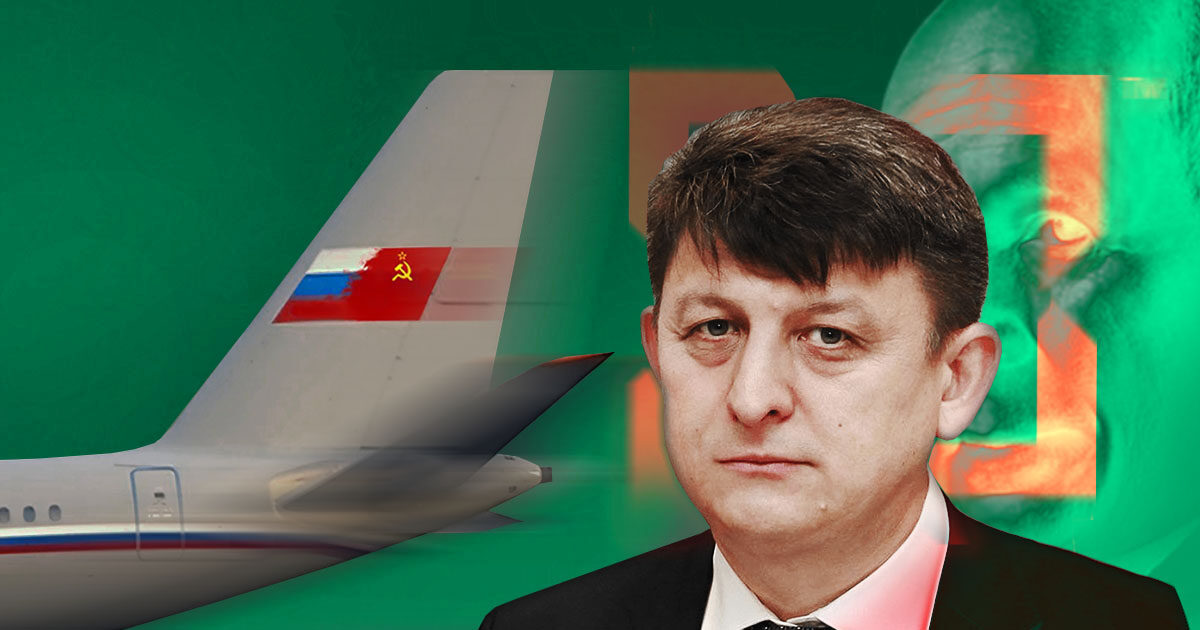

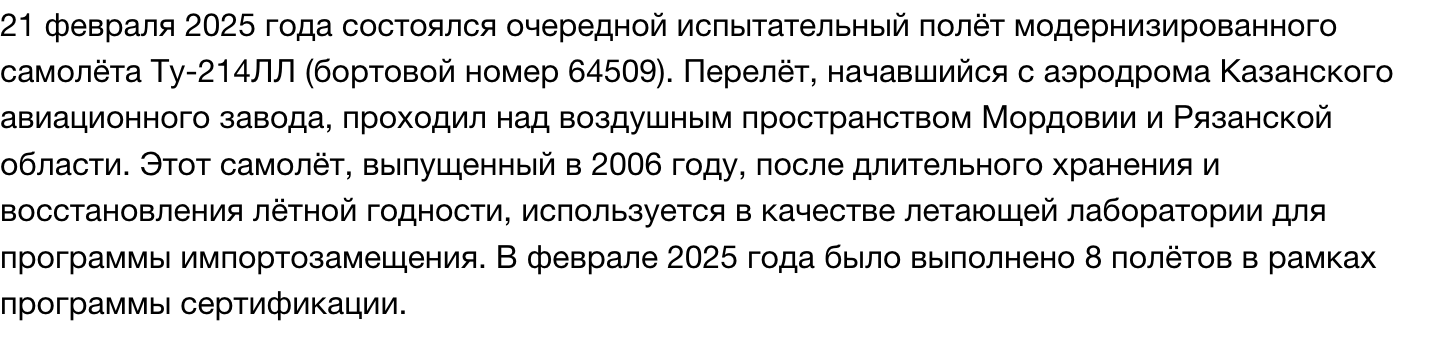
Russia is once again pulling Soviet-era projects out of storage in a bid to showcase the “success” of import substitution. This time it’s the Tu-214 – an aircraft considered outdated even back in the 1990s. But the Kremlin doesn’t seem to care: the West has exited the market, so something– anything – needs to be put in the air, even if it’s a flying museum piece. On February 21, 2025, the aircraft conducted another test flight under the import substitution program, taking off from the Kazan Aviation Plant airfield and flying over the airspace of Mordovia and the Ryazan region. Analysts from the Trap Aggressor project at the StateWatch think tank have examined this aircraft, based on the War and Sanctions portal.
Soviet Legacy with Critical Flaws
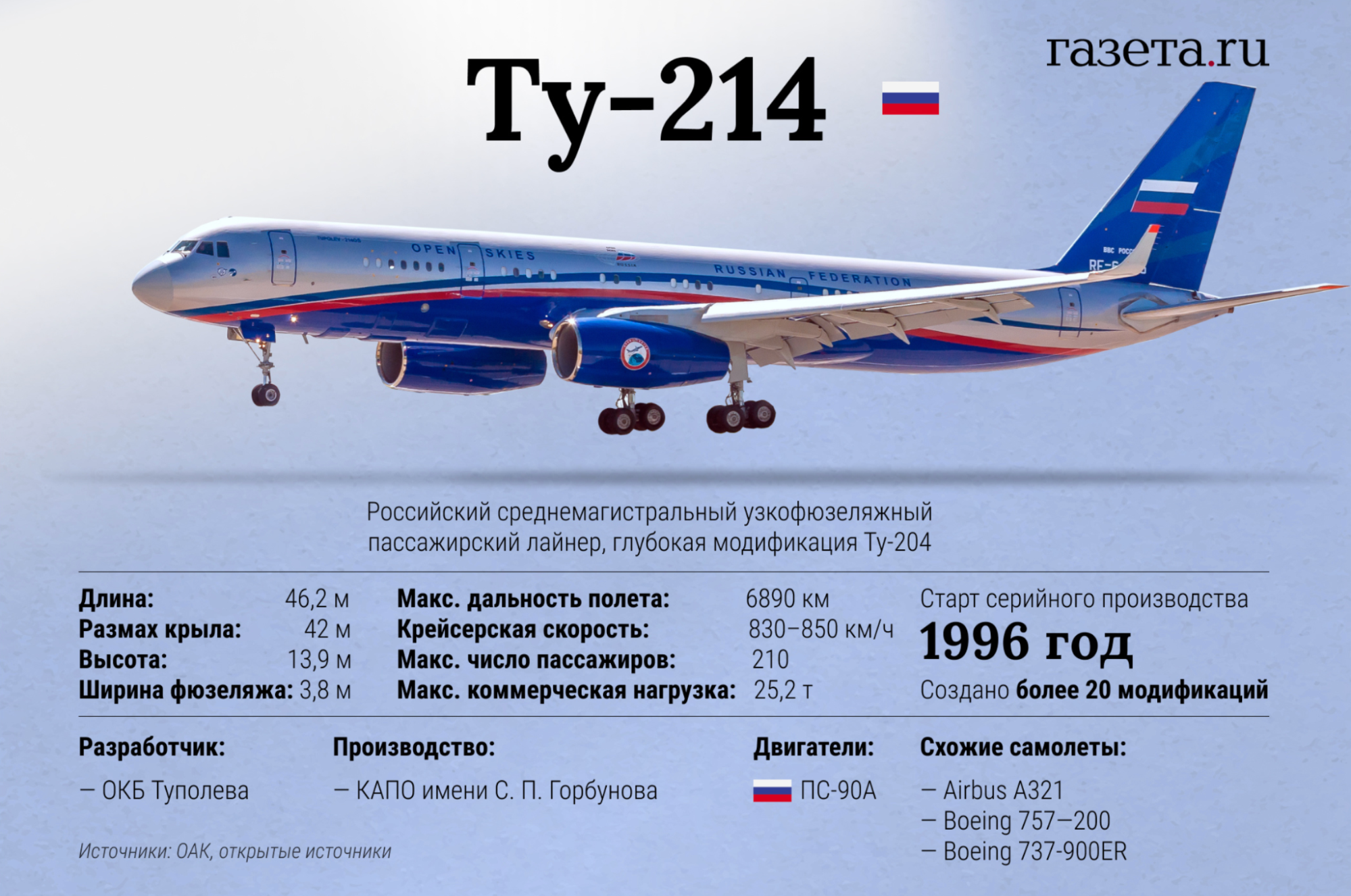
After Boeing and Airbus exited the Russian market due to sanctions, the Russian government proposed the Soviet-era Tu-214 as a replacement in the civil aviation sector. However, despite the Russian authorities’ optimism, the aircraft has a range of issues: PS-90A engines based on Soviet design, the lack of Western avionics (from which Russia was cut off in 2014), and most importantly– no EASA or FAA certification, which means the aircraft can’t fly to the vast majority of countries worldwide.
Big Plans on Paper
In August 2025, during a ceremony honoring Kazan’s distinguished citizens, Rostec head Sergey Chemezov announced that production of the Tu-214 would be ramped up to 20 units per year by 2028–2029.
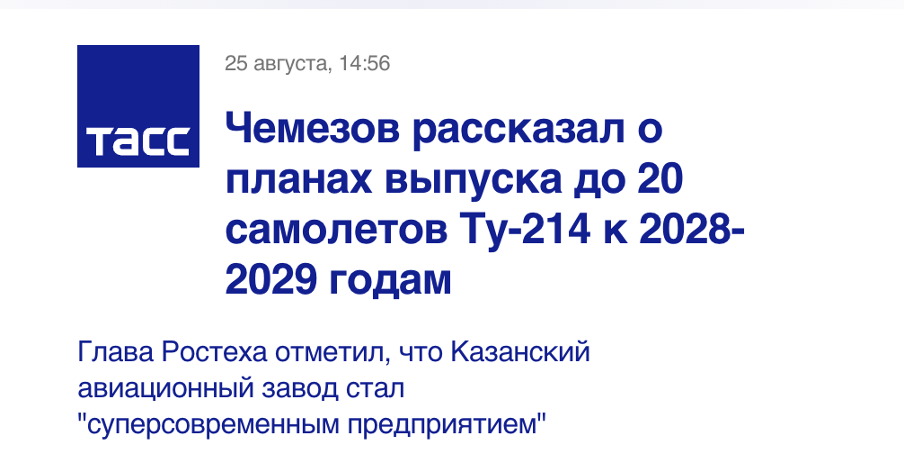
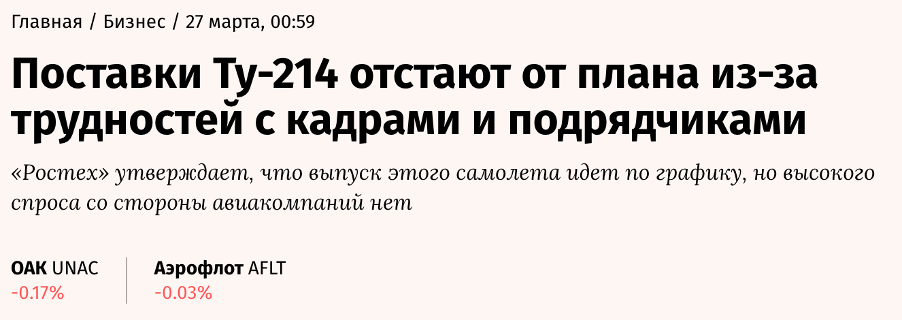
In practice, however, even producing one aircraft per year remains a challenge. The difficulties stem not only from technical and logistical hurdles but also from a lack of infrastructure and skilled personnel.
To meet the ambitious production goals, the plant must transition from handcrafted assembly to serial manufacturing. This demands a comprehensive overhaul: building new workshops, setting up assembly and testing lines, and establishing consistent fuselage construction and painting processes.
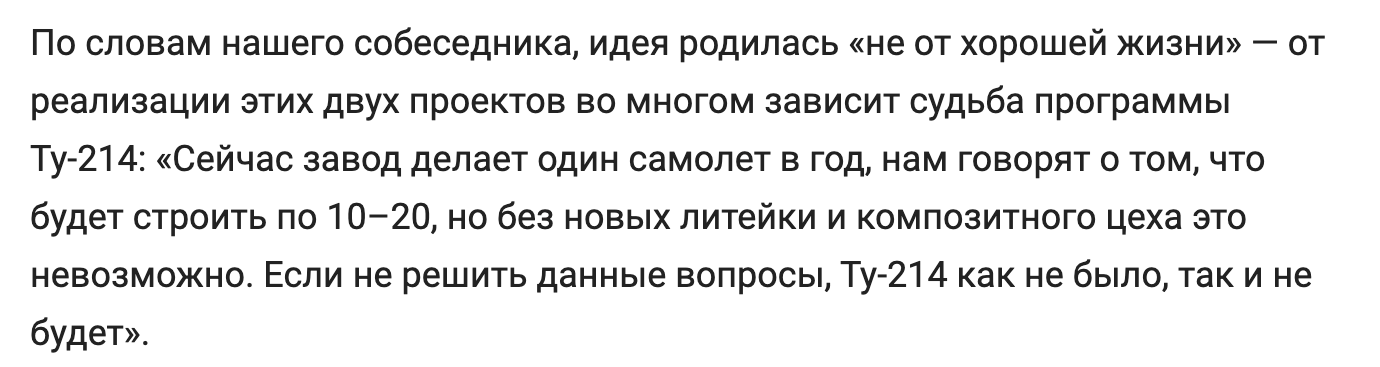
But shiny equipment alone won’t solve the problem. The crux of the issue is people: Russia is facing a shortage of engineers, technologists, and workers able to meet the demanding standards of modern aviation.
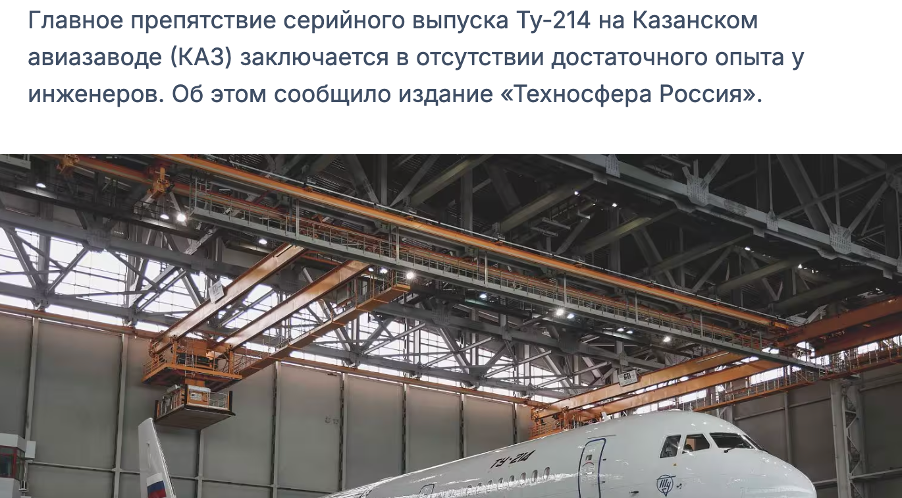
According to government plans, commercial deliveries are set to begin in 2026. For now, though, the manufacturer is focused on fulfilling state orders. The Kazan Aviation Plant – already under international sanctions – is racing to modernize its facilities in preparation for the promised production surge.
S7 and the Hundred Phantom Tu-214s
Russian airline S7 has already announced future contracts and claims it is ready to purchase up to a hundred modernized Tu-214s. Among S7’s planned routes are international flights. But the question remains: how can an aircraft without international certification (FAA or EASA) operate? On closer inspection, it looks more like another PR stunt than a business plan.
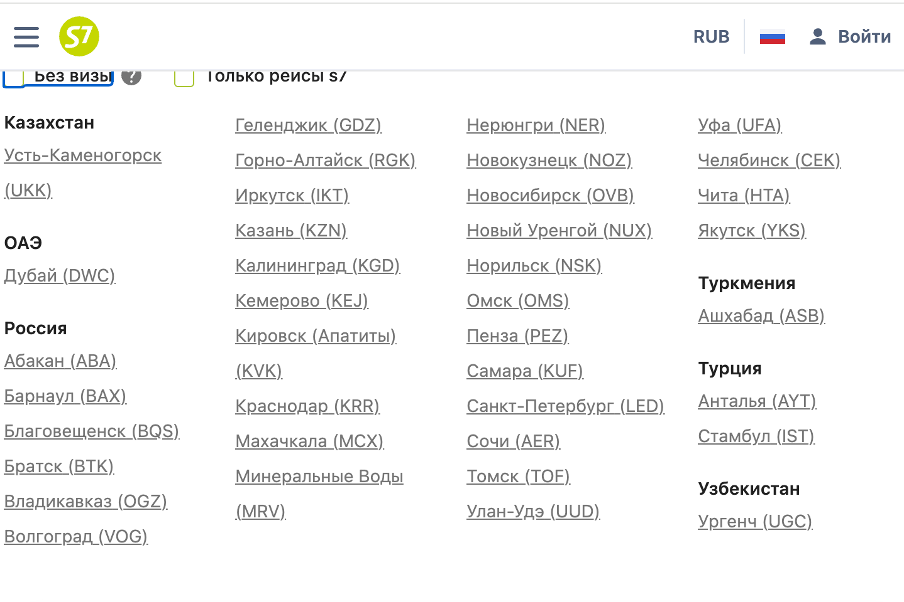
And, true to form, deliveries are already running behind schedule – a familiar Russian story.
Who’s Behind Production
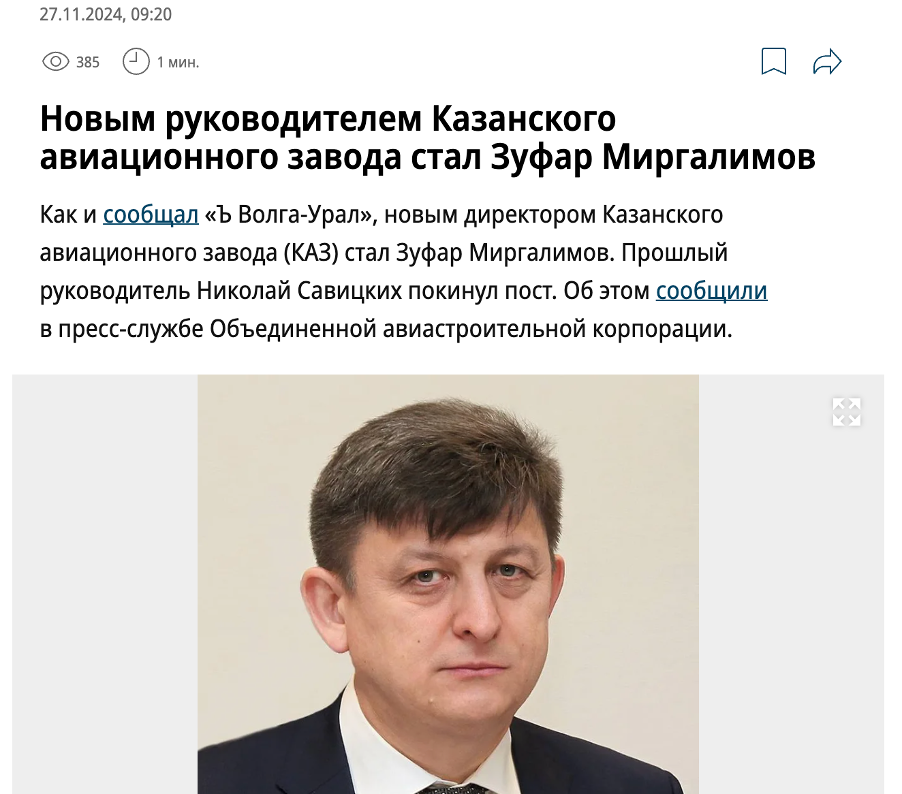
The Kazan Aviation Plant named after S.P. Gorbunov, along with its parent company Tupolev, is on international sanctions lists. Yet these restrictions seem to roll off the back of plant director Zufar Mirgalimov. He continues to spearhead modernization, court airlines, and personally oversee the rollout of the Tu-214 passenger line.