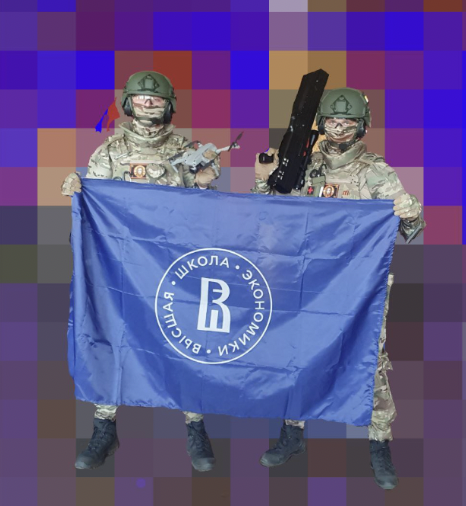

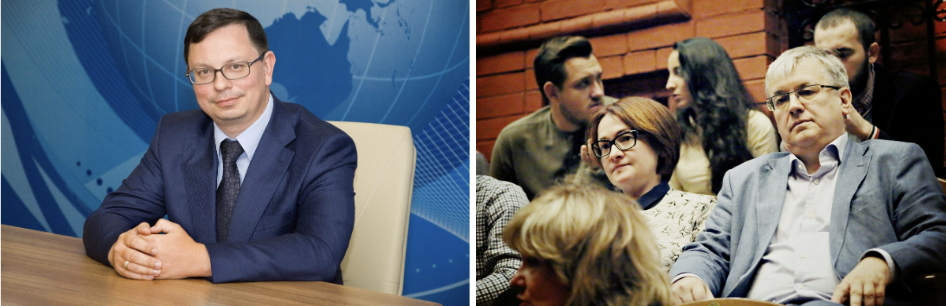
In October 2022, HSE hosted a roundtable discussion with Anisimov and Sergei Naryshkin, director of the Russian Foreign Intelligence Service. In May 2023, he visited universities in occupied Donetsk and Luhansk, with which he plans to establish cooperation. In an interview with the pro-Russian Luhansk Information Center, he said that the university had announced a collection for reconnaissance drones through the foundation of propagandist Vladimir Solovyov. According to him, HSE holds such fundraisers regularly, as many of its faculty and students have volunteered to fight against Ukraine.
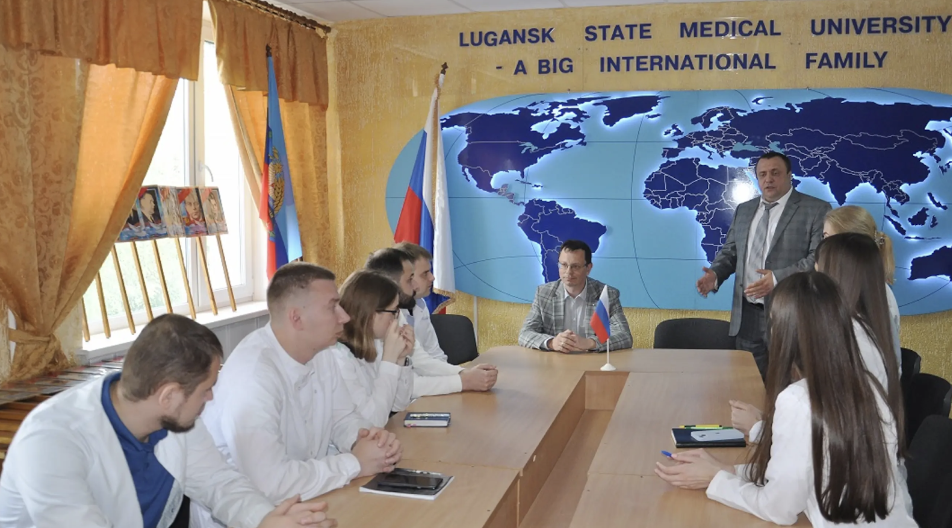
The HSE rector also said that the university would educate students who participated in the war against Ukraine and their families at its own expense. At a press conference in August 2023, Anisimov also said that the Higher School of Economics had already admitted 188 people under this quota.
“All our science is now focused on achieving technological sovereignty and supporting our guys, the Ministry of Defense [of the Russian Federation], and law enforcement agencies for the successful completion of the special military operation,” said Dmitry Chernyshenko, member of the HSE Supervisory Board, Deputy Prime Minister of the Russian Federation.
However, it cannot be argued that only the university administration supports the current Russian policy, and that the faculty and students cannot do anything about the pressure from above. Among the HSE faculty, there are also those who have been strongly supporting Russia’s illegal invasion of Ukraine since 2014. For example, Leonid Polyakov, a lecturer and doctor of philosophy at the HSE, spoke about how Russia’s policy should be interpreted from 2022 onward: “The history of the SVO should be told to the boys in detail, but at the same time in a simple and understandable language. No ‘we were attacked’. We were attacked in 2014! We didn’t start it, but we decided to put an end to this terrible, tragic event that lasted for eight years and killed hundreds, thousands of people in Donbas.”
In an online interview, Dmitry Trenin, a research professor at the HSE’s Faculty of World Economy and World Politics, said that “Ukraine is an ‘anti-Russian enclave’. And we will eliminate it”. Some of the professors openly talk about the potential expansion of Russian aggression to other European countries. A colleague at Treaney’s faculty, the sanctioned Sergei Karaganov, even suggested a “preventive nuclear strike on Europe.”
And Olga Krasnyak, an associate professor at HSE and director of the Center for International Cooperation, believes that “the territories of Ukraine occupied by the Russian Federation were historically part of the Russian Empire and the Soviet Union, inhabited by Russian-speaking people whose rights were restricted by the Ukrainian regime.”
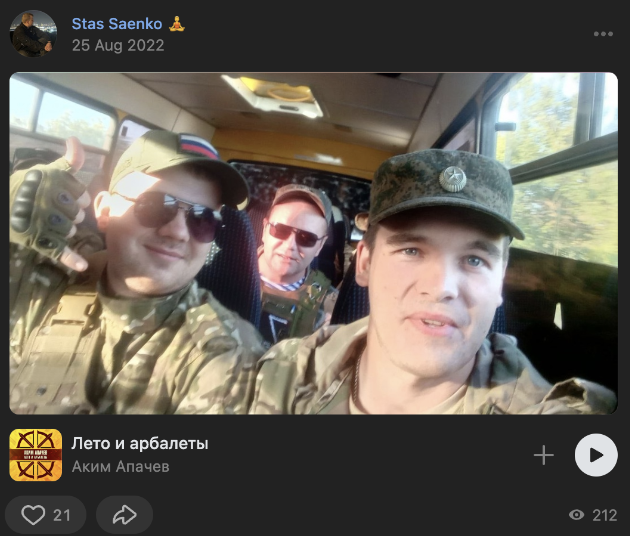
Another HSE employee, Sergei Seleyev, who used to organize student research expeditions at the university, volunteered to fight against Ukraine in 2022. HSE alumni also include people who support Russian aggression in various ways.
For example, Dmitry Aksakov, vice president of the sanctioned Russian bank VEB.RF, continues to develop new projects at the bank, thus supporting both the actions of the current government and helping the Russian economy. He is the son of Anatoly Aksakov, a member of the Russian State Duma who is under personal international sanctions from the European Union, the United Kingdom, the United States, Switzerland, Ukraine, and others for violating Ukraine’s territorial integrity during the Russian-Ukrainian war. For example, Anatoliy lived in Crimea as a child and admitted that he often travels to the peninsula occupied by his country because he has a house and a garden by the sea.
Boris Chernyshov graduated from the HSE’s Bachelor of Arts in Political Science program in 2012. He is a Russian politician and statesman, Vice Speaker of the State Duma of the Russian Federation. He suggests that Russian soldiers, participants in the Russian-Ukrainian war, should be involved in teaching schoolchildren in the Russian-occupied regions of Ukraine.
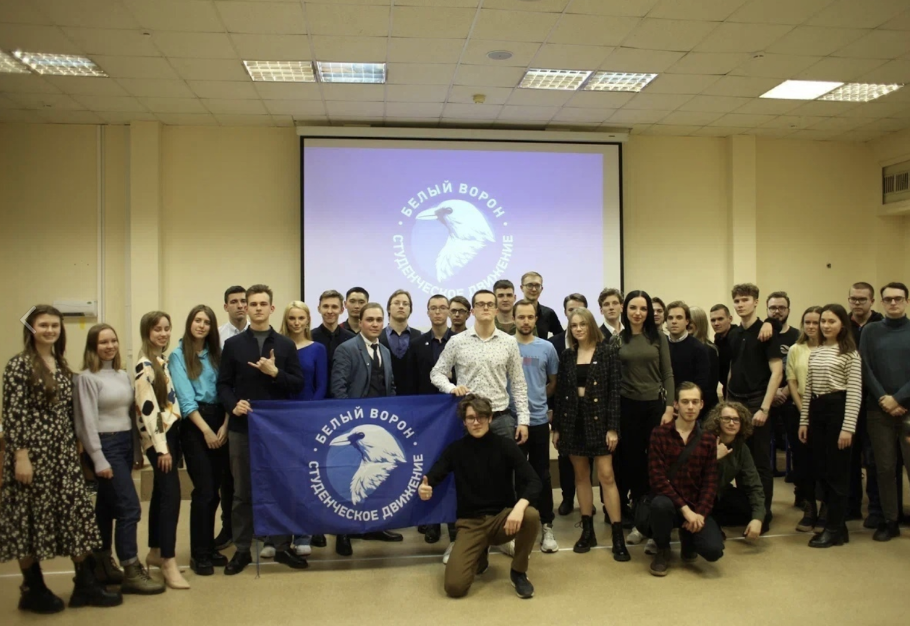
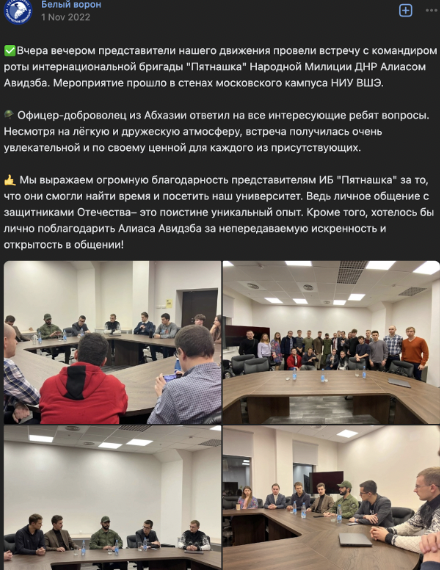
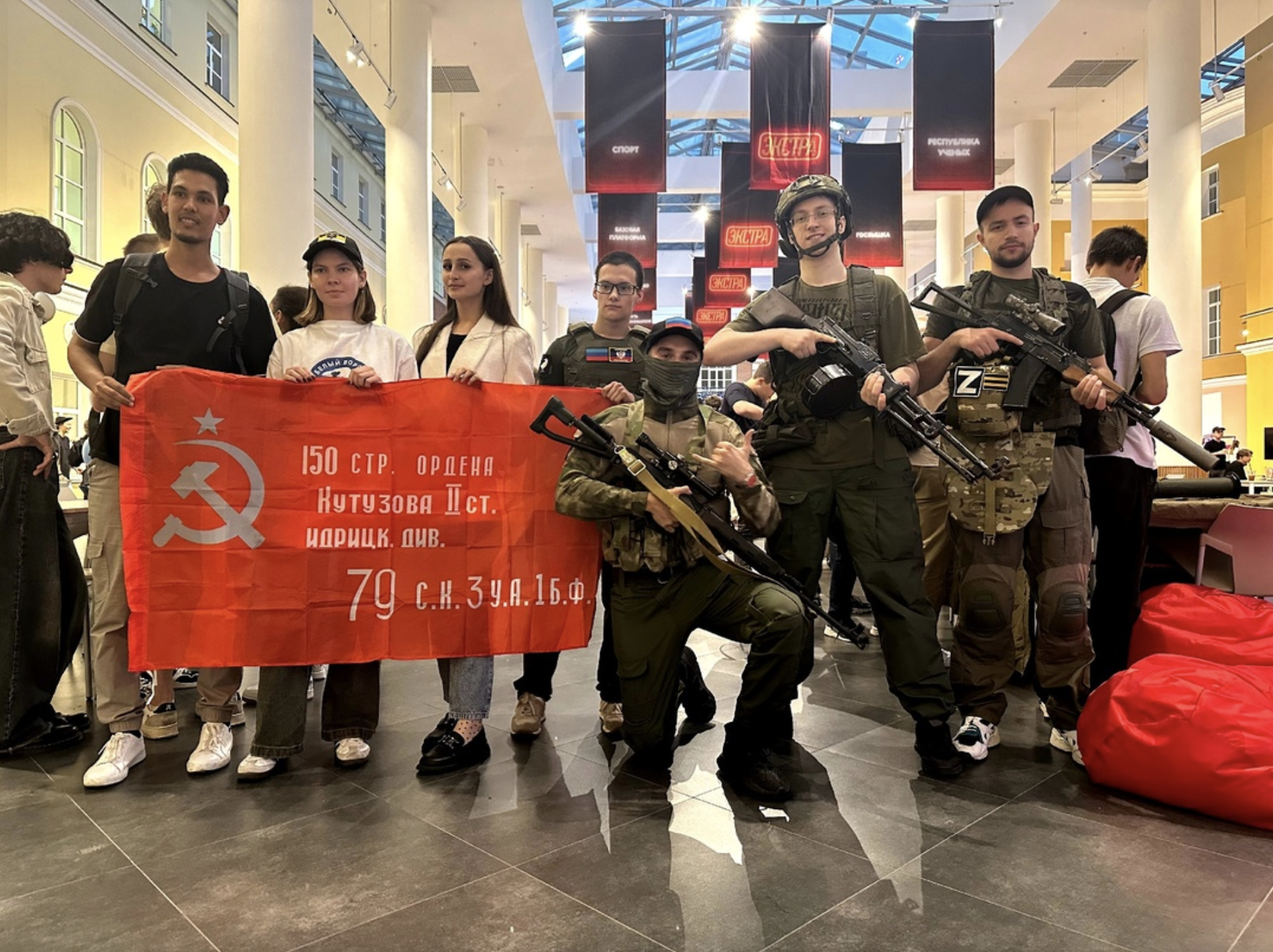
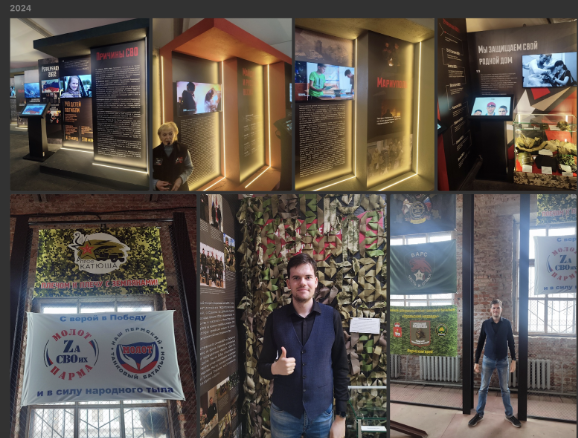
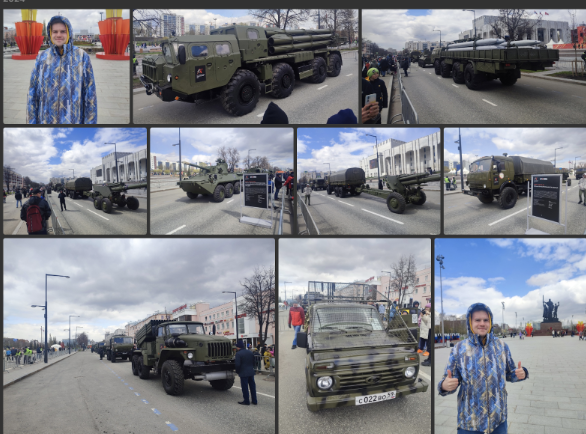
Vadim Vasilyev is a graduate of HSE who only graduated in 2024 and started his career in a rather prestigious place – the Russian oil company Lukoil. It would seem that he is just working in a sanctioned company, applying his knowledge gained at the university. But in his free time, Vadim visits museum exhibitions dedicated to the so-called “SVO”, is fond of Russian weapons, and together with his friends attends events of the rapidly growing HSE student organization “White Raven”, which openly supports Russian politics.
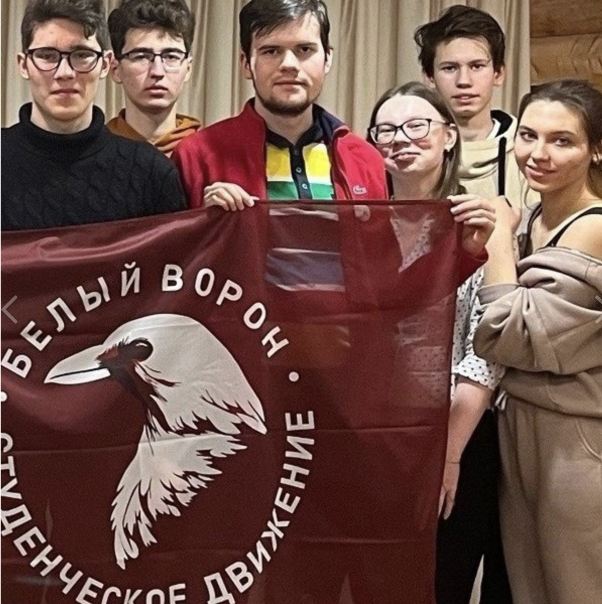
From my personal page From student to soldier in the Russian army
HSE supports the aggressive policy of the Russian Federation in word and deed. The university has its own Military Training Center, which allows students to undergo military training and become reserve officers. According to the head of the Military Training Center, Vladimir Aleksandrovich Korgutov, HSE students often join the development of Russia’s defense capabilities themselves in civilian and military positions, and there are those who are now directly fighting against Ukraine as part of the Russian army. Most often, their activities are related to hardware and software. There are also those who, after graduation, join military counterintelligence, the Federal Security Service, the Ministry of Foreign Affairs, and other structures. Due to the growing demand, the center is constantly improving its program and recently opened a new specialty of UAV operators.
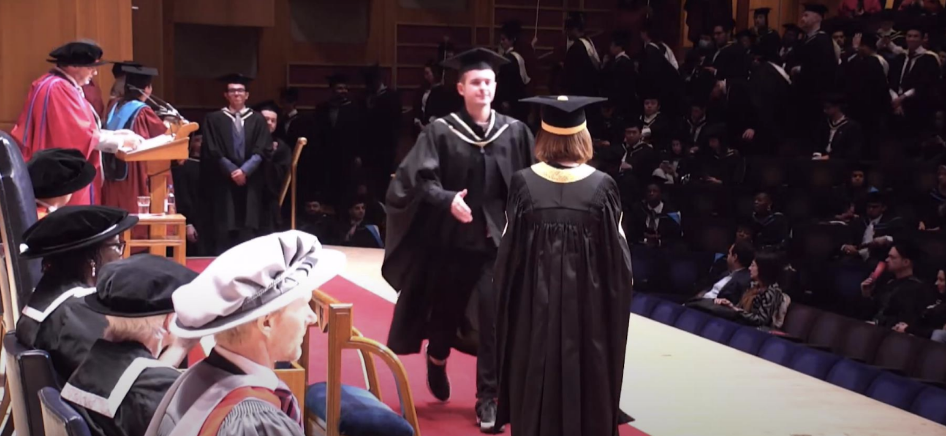
On July 27, 2024, the 20th graduation of students of the Military Training Center at HSE took place. The event was also attended by high-ranking military officers, such as Colonel Dmitry Glazov of the Main Military Political Directorate of the Russian Armed Forces. Major General Sergei Markovchin, Deputy Commander-in-Chief of the Russian Land Forces for Military and Political Work, thanked the graduates and their parents.
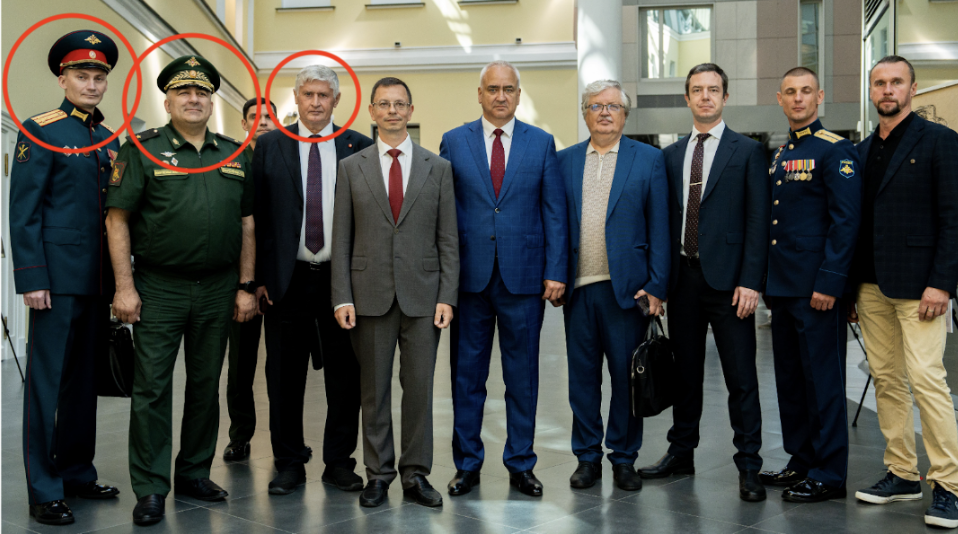
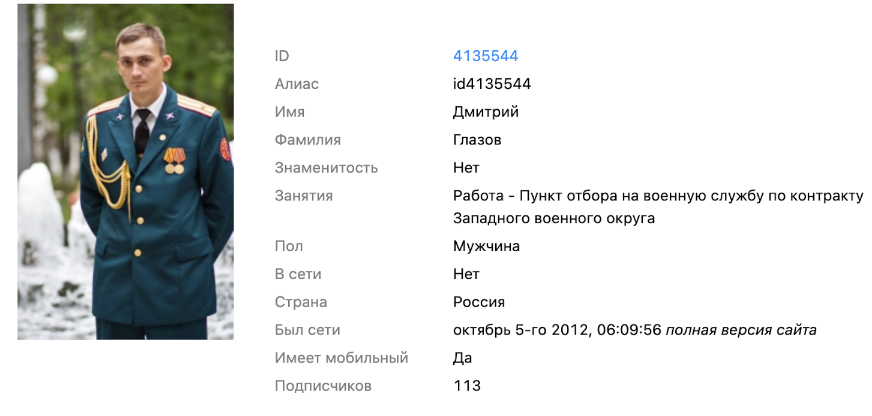
Previously, Dmytro was responsible for military service under the contract of the Western Military District of the Russian Federation. Together with Leonid Palko, a member of the Public Council under the Russian Defense Ministry and a publisher, they attend numerous pro-Russian events in Russia and the occupied territories of Ukraine.