

Key Findings:
- Despite sanctions, Russia continues to receive machine tools equipped with Siemens and Fanuc CNC systems through Chinese manufacturers acting as intermediaries.
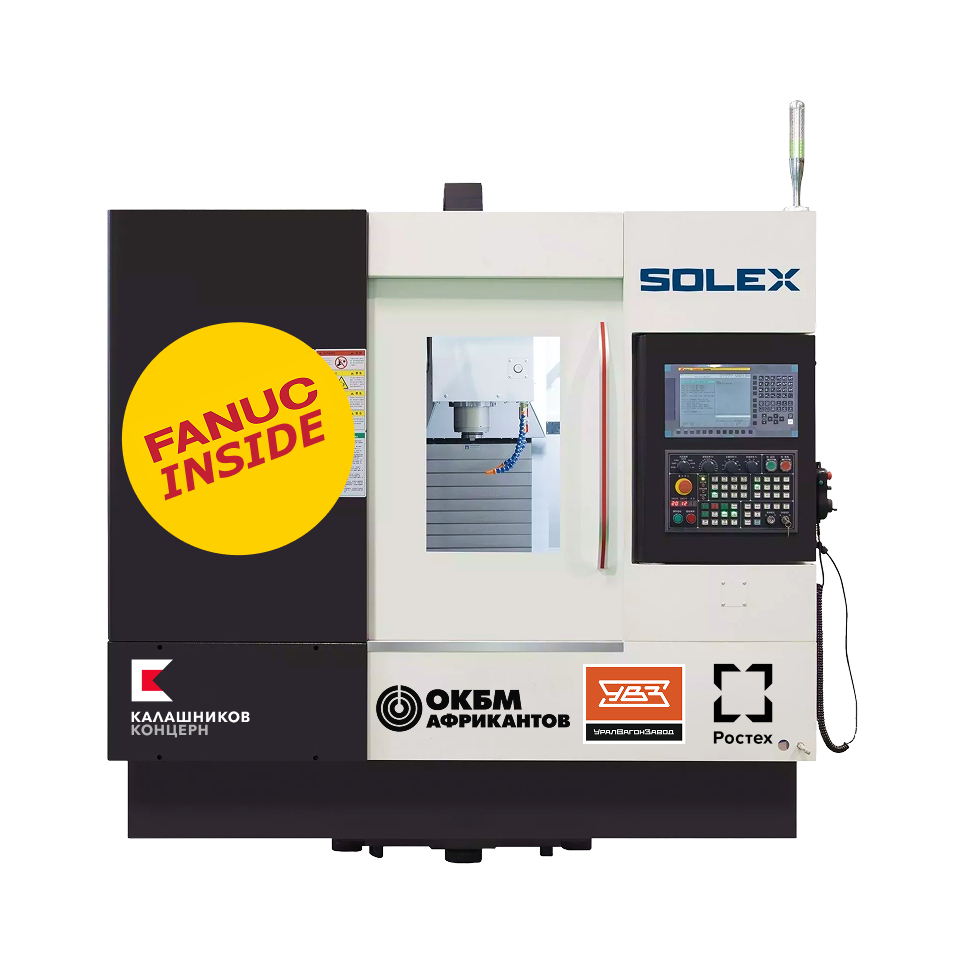
- Sanctioned Russian distributor LLC “Promoil” sells Chinese machine tools with Western control systems to enterprises within Russia’s defense-industrial complex.
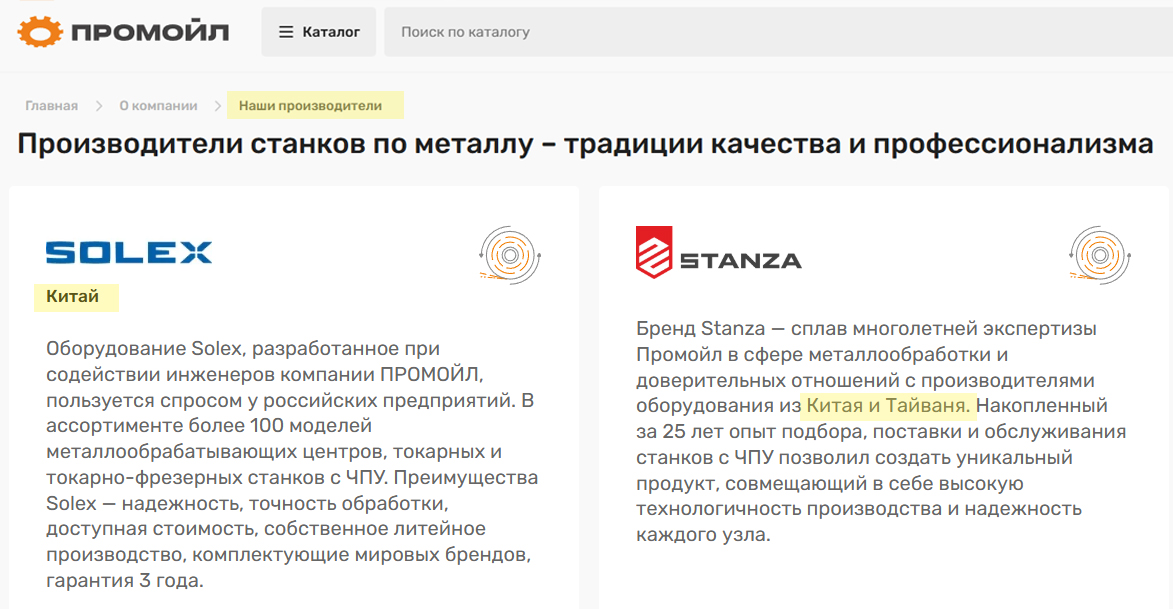
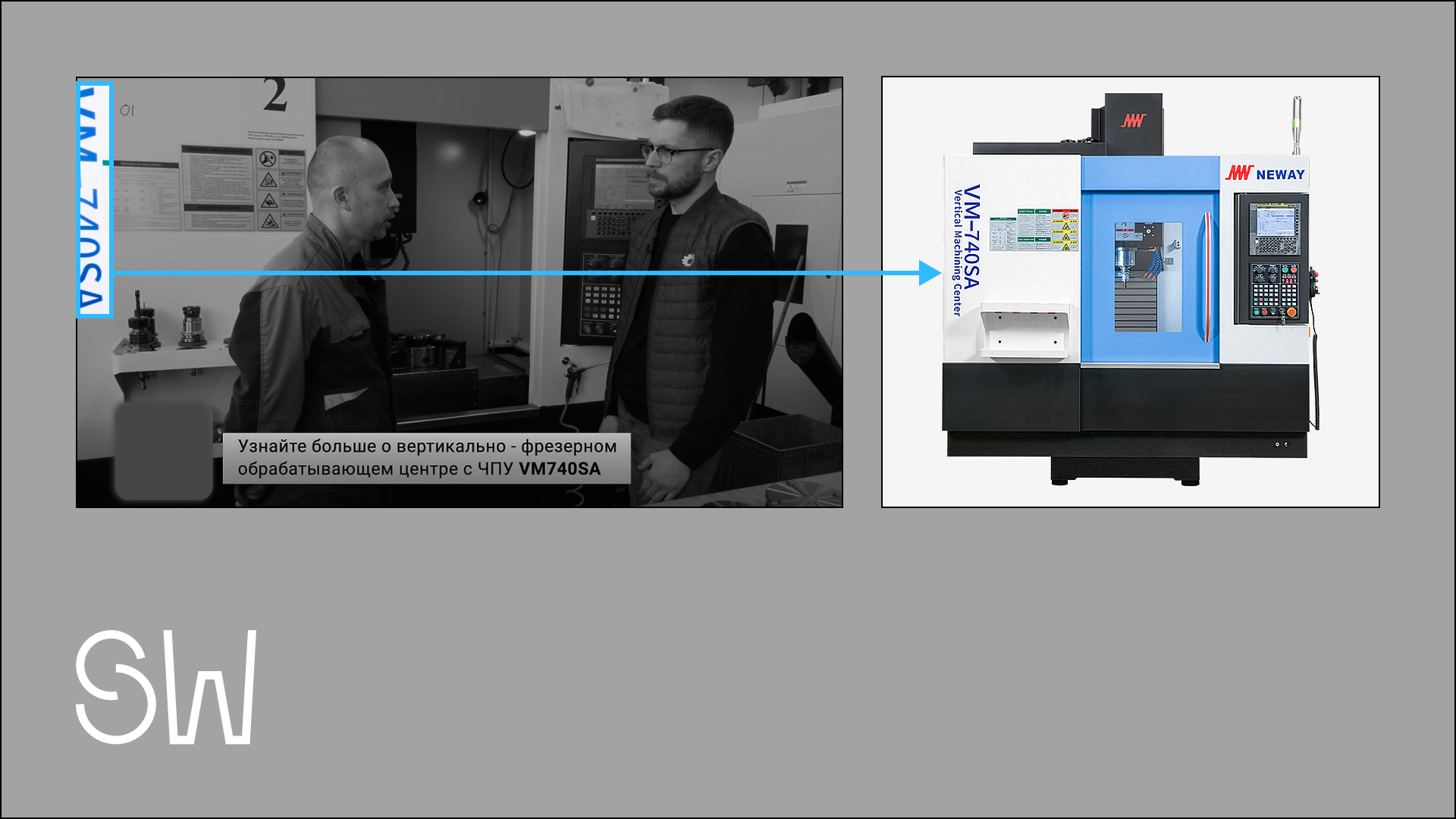
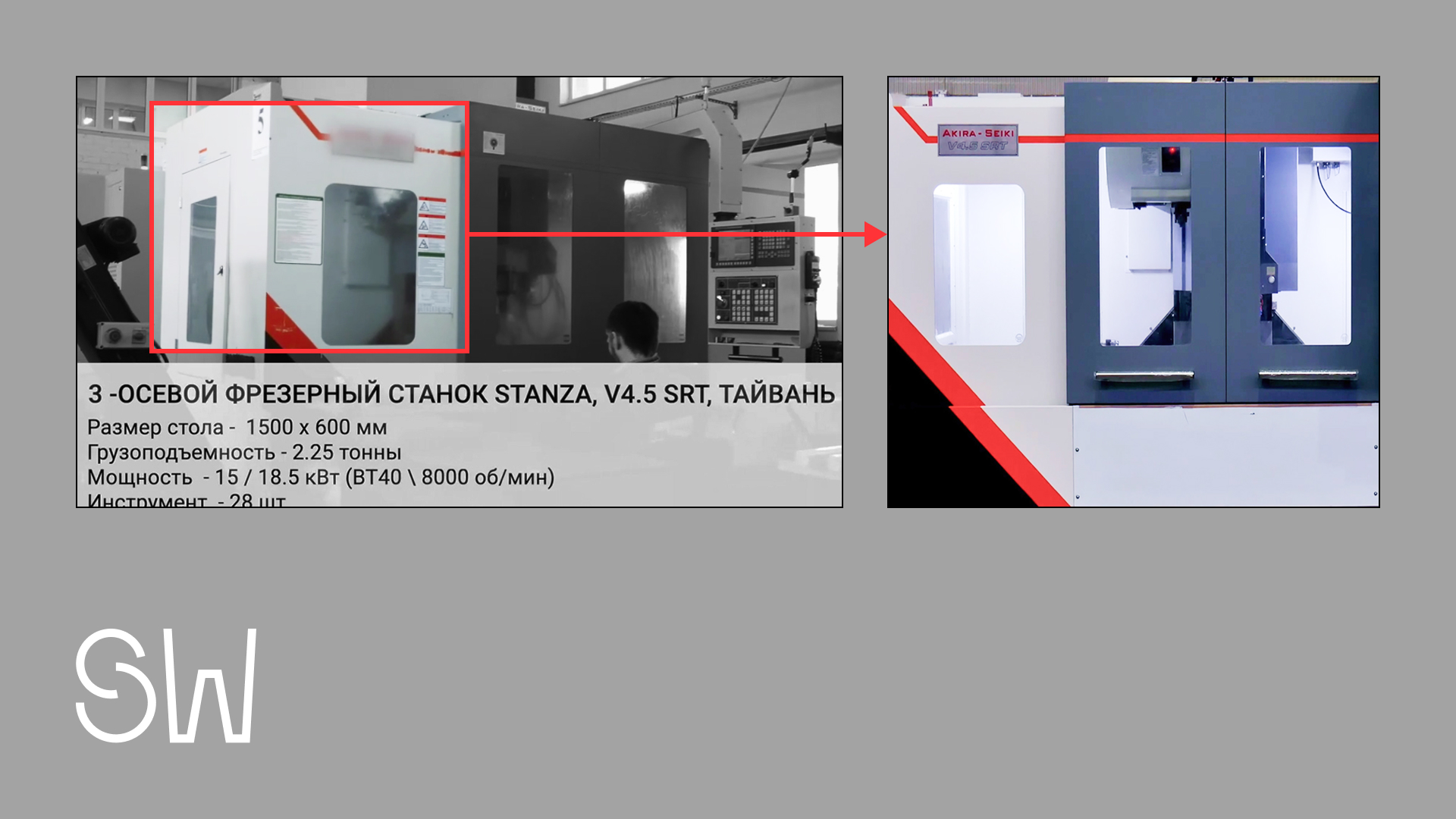
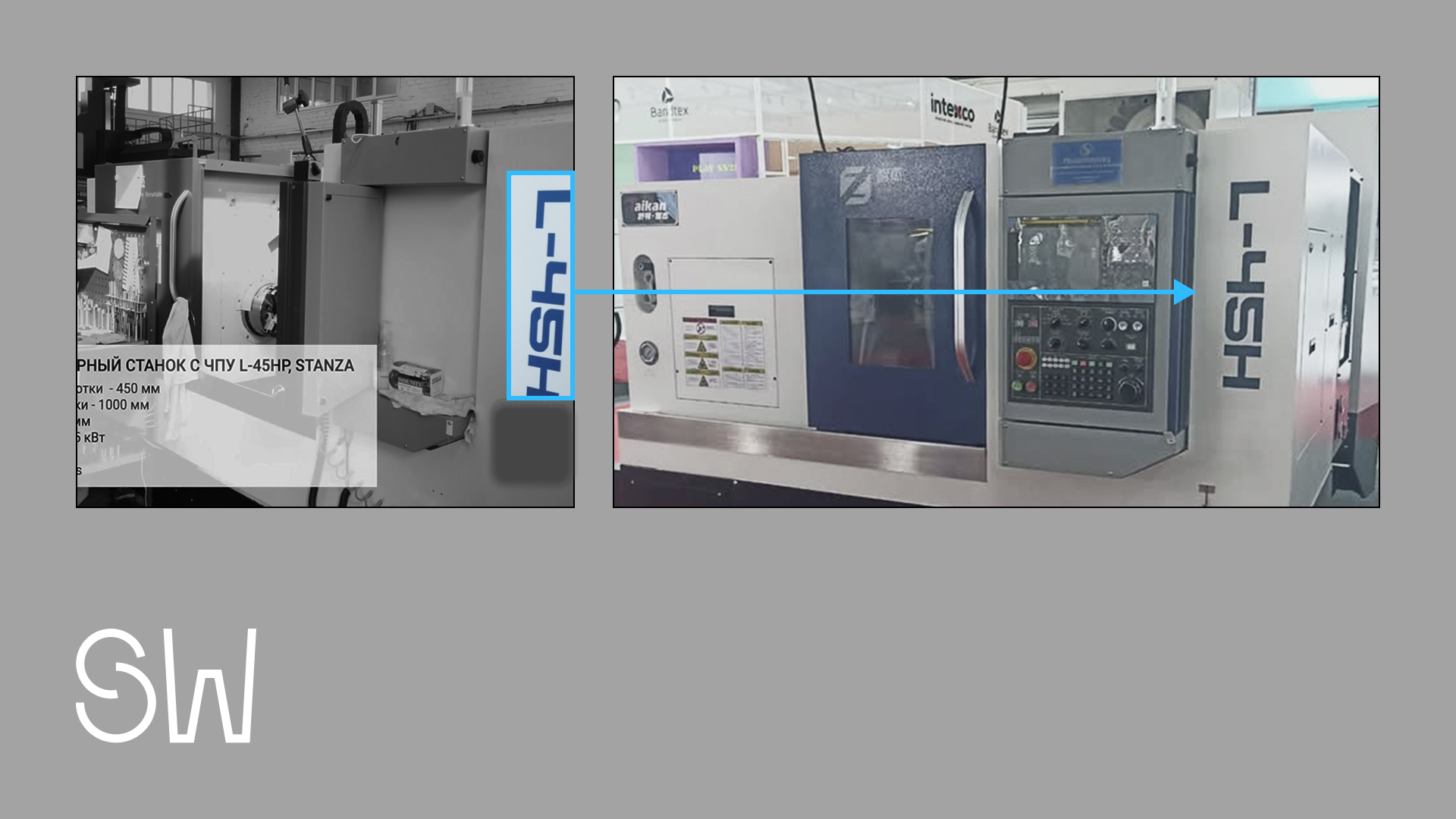
- Promoil’s machines, marketed under the SOLEX and STANZA brands, are rebranded products of Chinese manufacturers NEWAY and TAIKAN, and Taiwanese manufacturer AKIRA SEIKI.
- The CNC system manufacturers themselves remain the only point of leverage, as international sanctions do not cover Chinese supply chains.
The fifth year of war. While the front lines are being fought over territory, a different battle is taking place behind enemy lines – one for access to high-tech equipment. Despite all efforts to build domestic production capacity, Russia remains critically dependent on Western CNC (computer numerical control) machine tools. This equipment is used to manufacture complex-shaped metal components. Unlike a human operator, such a machine can run around the clock – and more importantly, with extraordinary speed and precision.
Under current conditions, the production of missiles, air defense systems, and other high-precision weaponry – where a single error can have fatal consequences – is impossible without CNC machine tools. It is therefore no surprise that the primary users of this equipment in Russia are military enterprises and industrial plants. And since such systems are extraordinarily difficult to manufacture, prior to the full-scale invasion Russia imported virtually all of its CNC machine tools from abroad.
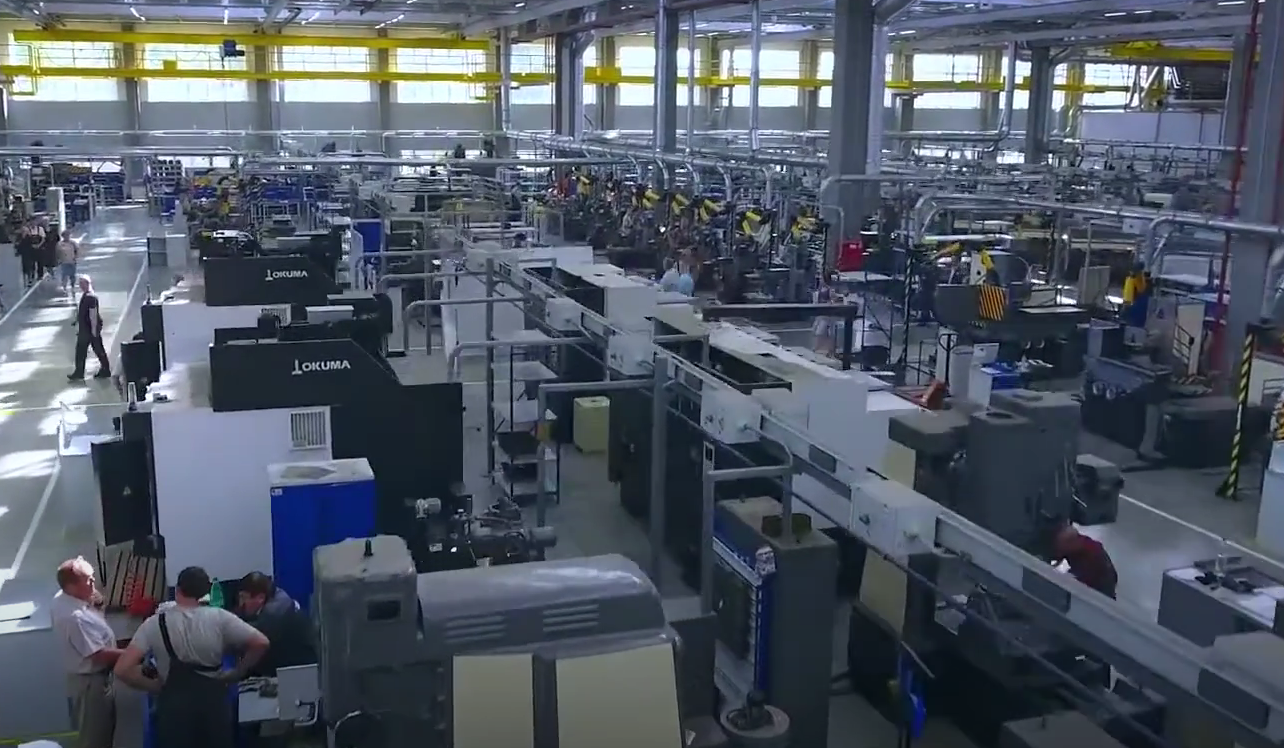
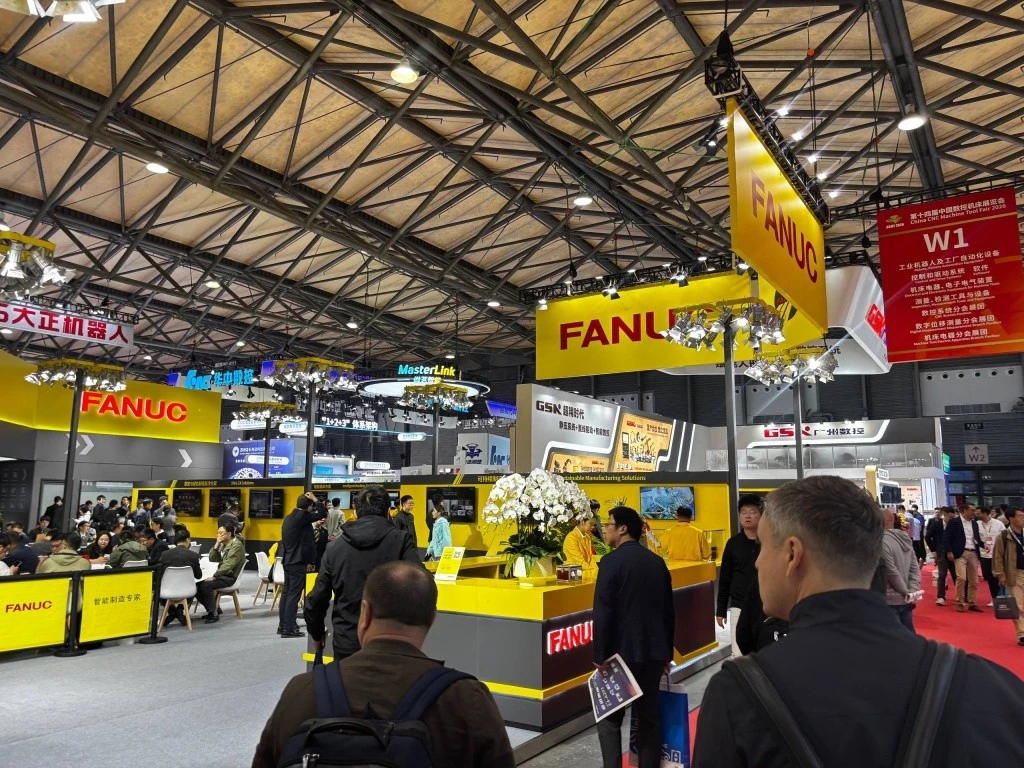
Today, Germany and Japan are considered the global centers of machine-tool manufacturing. It is there that the most important component of the machine is developed – the CNC system itself, the software “brain” that controls the machine’s ultra-precise movements in space. Producing these systems is an advanced and technologically demanding process, which is why most countries rely on products from only a handful of major companies. Among them are the German conglomerate Siemens and the Japanese holding company Fanuc.
In 2022, many Western manufacturers of dual-use goods, including metalworking equipment, announced their withdrawal from the Russian market. Yet despite the undeniable importance of this step, it proved far from sufficient to halt Russia’s military-industrial complex entirely. Machines equipped with Western-developed Fanuc and Siemens CNC systems continue to appear in large numbers at Russian factories and industry exhibitions in 2025 and 2026. Partners of StateWatch Think Tank received unique documents revealing the path Western products take through Russian weapons systems – and explaining why time is running out for German and Japanese CNC developers to respond.
Final destination: Russian military factories
Despite bans on exporting metalworking equipment directly to Russia, nothing prevents Western manufacturers from supplying their products to other countries. Exporters are required to ensure that buyers will not use the equipment for military purposes, but if the importer is a civilian Chinese manufacturer with a “good” reputation, the transaction is considered perfectly legal. Once delivered to such a factory, the German or Japanese CNC system is integrated into a locally manufactured machine body. The finished product is then considered Chinese-made and enters the international market freely.
Since China has never joined sanctions against Russia, Western CNC systems embedded in Chinese products frequently end up in Russian industrial facilities. Nevertheless, major manufacturers such as Siemens and Fanuc have shown little willingness to curtail exports of CNC systems to China, as China remains one of the world’s largest machine-tool markets, with thousands of Chinese firms officially purchasing these systems for their equipment.
In Russia, an entire network of specialized distributors eagerly awaits these “legal” machines, maintaining extensive client bases among military factories and defense plants. One of the most successful is Promoil LLC, which openly lists its military-linked partners in commercial proposals from 2025. Among them are Rostec, Kalashnikov Concern, Uralvagonzavod and other Russian defense enterprises.
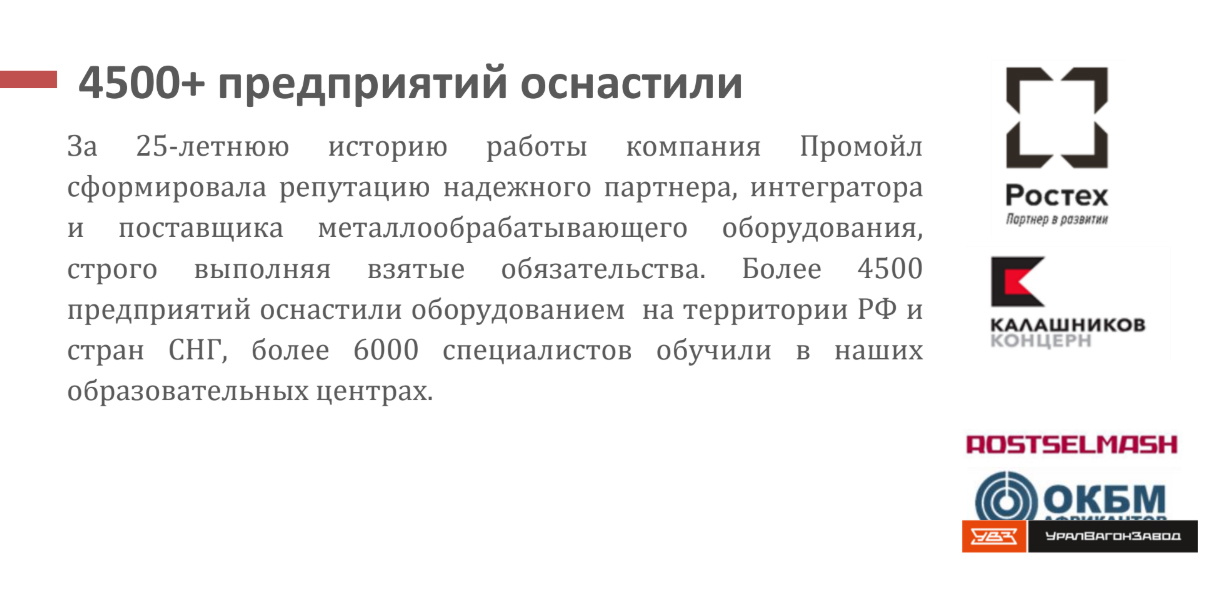
The distributor itself was placed under US sanctions as early as 2023 – yet deliveries to Russia continued uninterrupted because the machines for Promoil, equipped with Siemens and Fanuc systems, were manufactured at Chinese factories. Moreover, despite sanctions, the company posted record profits in 2023, with net income increasing sixfold to 2 billion rubles ($27.8 million).
On its website and in a February 2025 product catalog, the company identifies its two primary manufacturers as SOLEX and STANZA. Or perhaps not manufacturers at all: the English-language internet contains virtually no information about either brand. No websites, no reviews from foreign industrial users, and references to SOLEX and STANZA exist only on Russian-language resources. The distributor repeatedly emphasizes that the machines originate from China and Taiwan. So who is actually producing Promoil’s equipment? A closer look reveals the answer.
Covering the tracks: complex supply networks
Spring 2024. Promoil LLC celebrates its 25th anniversary and releases 14 exclusive interviews with clients from across Russia. Factory representatives discuss their businesses and proudly showcase new equipment.
One of the videos features the technical director of RNK Engineering LLC giving a tour of the facility. On its official website, the company states that it manufactures tools for assembling armored vehicles, aircraft fuselages, wings, rotor blades, and other aerospace components, and highlights its experience fulfilling contracts for the aviation, rocket and space, and shipbuilding industries. The director shows machine tools received just recently from Promoil. Most of the machines bear the mysterious SOLEX and STANZA logos, but on some, the emblems of the actual manufacturers are visible, hastily covered with sheets of paper or blurred out in the video edit.
Having analyzed all the footage, StateWatch analysts identified the Chinese manufacturer NEWAY behind the SOLEX brand, and the Taiwanese plant AKIRA SEIKI along with Chinese producer TAIKAN behind the STANZA logo.
The editorial team also obtained LLC Promoil’s complete machine tool catalogue as of February 2025. It turns out that the interview footage captured only a fraction of the full range on offer – the actual product list under the so-called SOLEX and STANZA brands runs to dozens and hundreds of models. All prices are listed in yuan. Almost all of the equipment features Fanuc and Siemens control systems.
To clarify the situation, StateWatch analysts sent inquiries to all three identified Chinese manufacturers, as well as directly to Fanuc and Siemens. In its response, Siemens AG stated that it had not supplied any sanctioned goods to Russia and had no direct commercial relationship with Chinese machine tool manufacturer TAIKAN. The company noted that it conducts training seminars in Turkey, China, and Eastern Europe with the aim of minimizing the risk of sanctions violations.
“If we receive any indications of circumvention, we will investigate these immediately and involve the necessary and relevant authorities”, Siemens stated. At the same time, the company acknowledged that “it cannot always be ruled out that certain goods may reach Russia without the manufacturer knowing and without the manufacturer’s consent”.
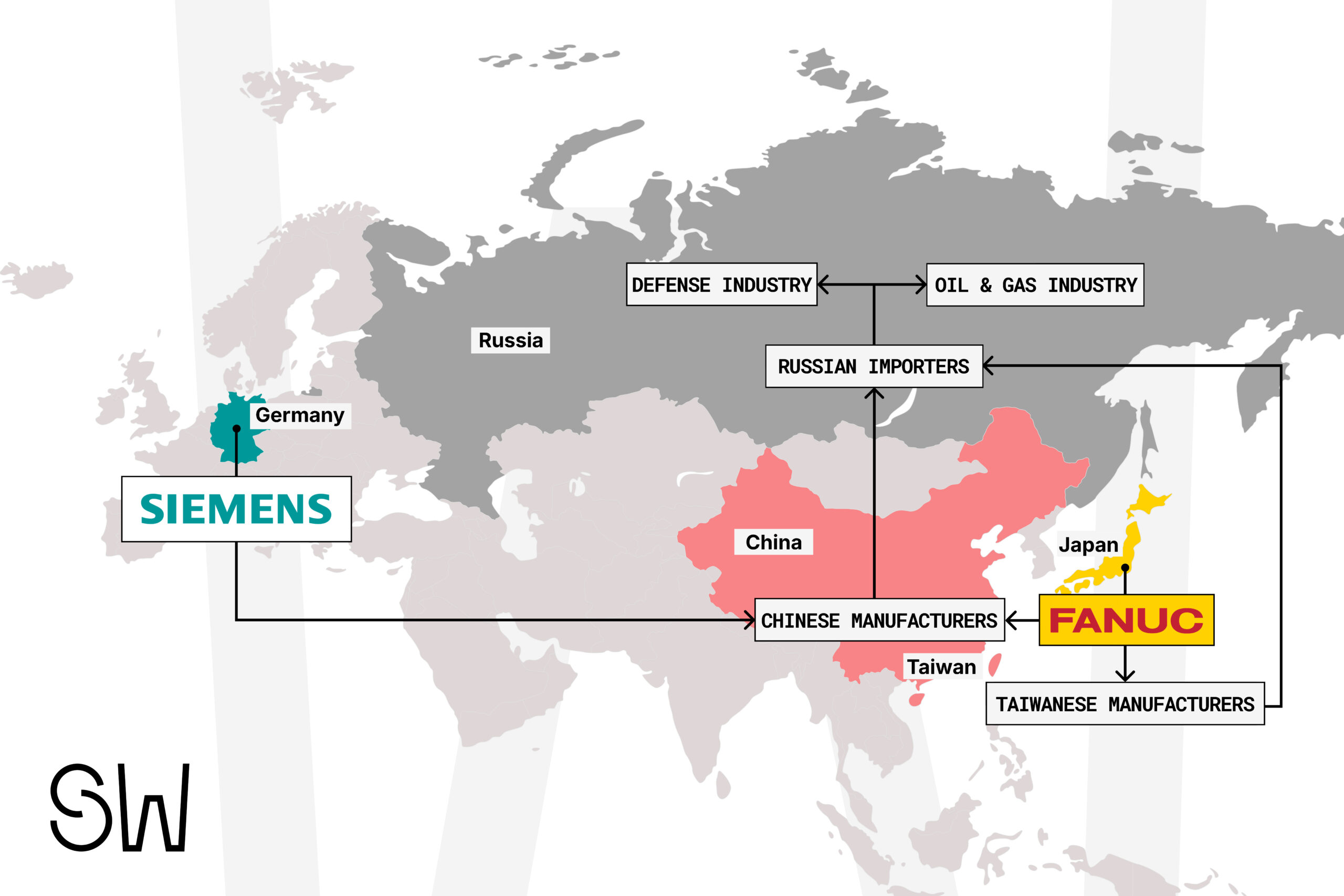
Fanuc responded that the company warns all of its clients of the prohibition on supplying CNC systems to Russia and requires them to submit a written commitment to that effect. The company stressed that it monitors international sanctions lists and is prepared to terminate cooperation with partners found to be supplying prohibited products to Russia. However, Fanuc declined to answer questions regarding its cooperation with NEWAY and AKIRA SEIKI, citing confidentiality obligations.
Machine tool manufacturers TAIKAN, AKIRA SEIKI, and NEWAY did not respond to our inquiries.
International sanctions are an effective instrument of pressure on Russian enterprises. However, in the context of supply chains running through China, only the CNC system manufacturers themselves have the leverage to disrupt the network delivering prohibited products.
The full version of the investigation – including documents, contracts, and the stories of other sanctioned machine tool distributors – is available to read on the UNITED24 Media platform.
This material was produced with the support of the International Renaissance Foundation. The material represents the views of the authors and does not necessarily reflect the position of the International Renaissance Foundation.