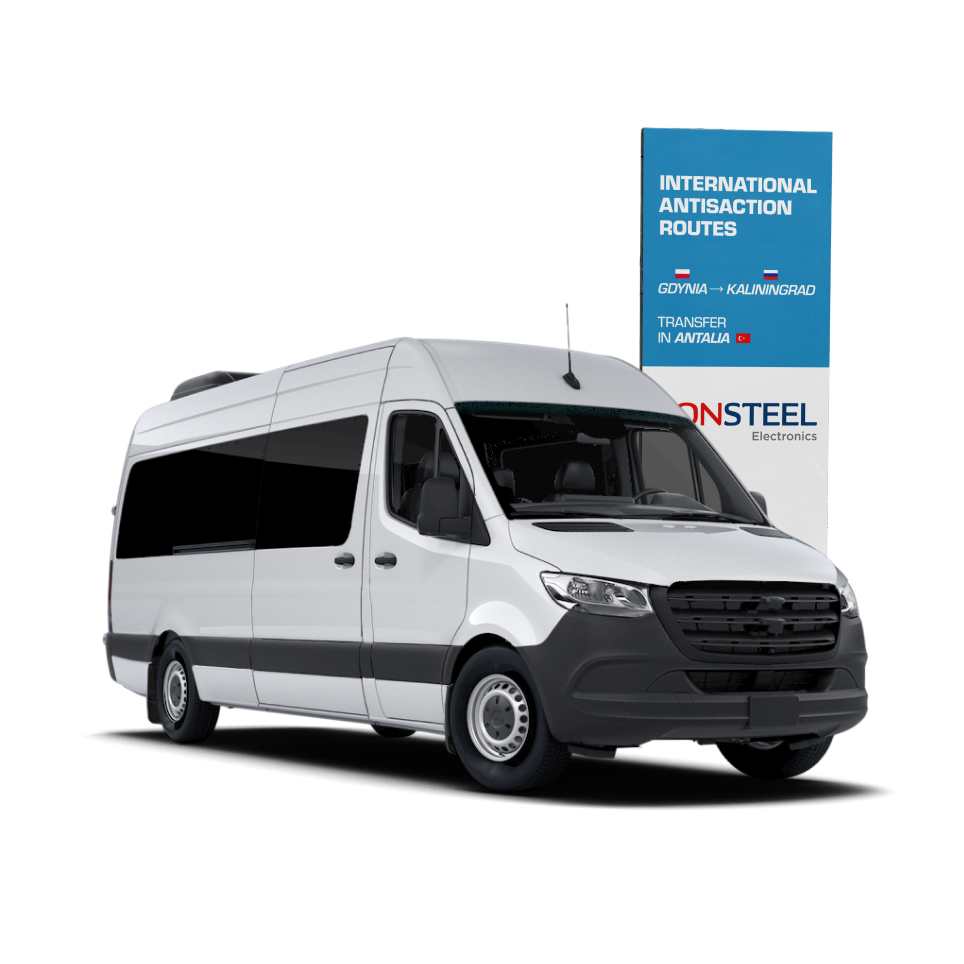

The distance between the cities of Kaliningrad and Gdynia is approximately 200 kilometers, which is less than three hours by car. Kaliningrad is part of the aggressor country, where children are still being trained to participate in the war, while Gdynia is a peaceful European city in northern Poland, a partner of Ukraine. During the full-scale invasion, a network of cooperating enterprises emerged between these cities, helping Russia circumvent international restrictions. Moreover, the Polish company did not deny such business. Together with Anastasia Morozova, a journalist from the Polish media FRONTSTORY.PL, Trap Aggressor analysts revealed another scheme for supplying critical equipment to the Russian Federation despite international restrictions. Direct contact was also established with the president of the Polish business.
* Trap Aggressor team volunteer Oleksii Generalov also helped in collecting information.
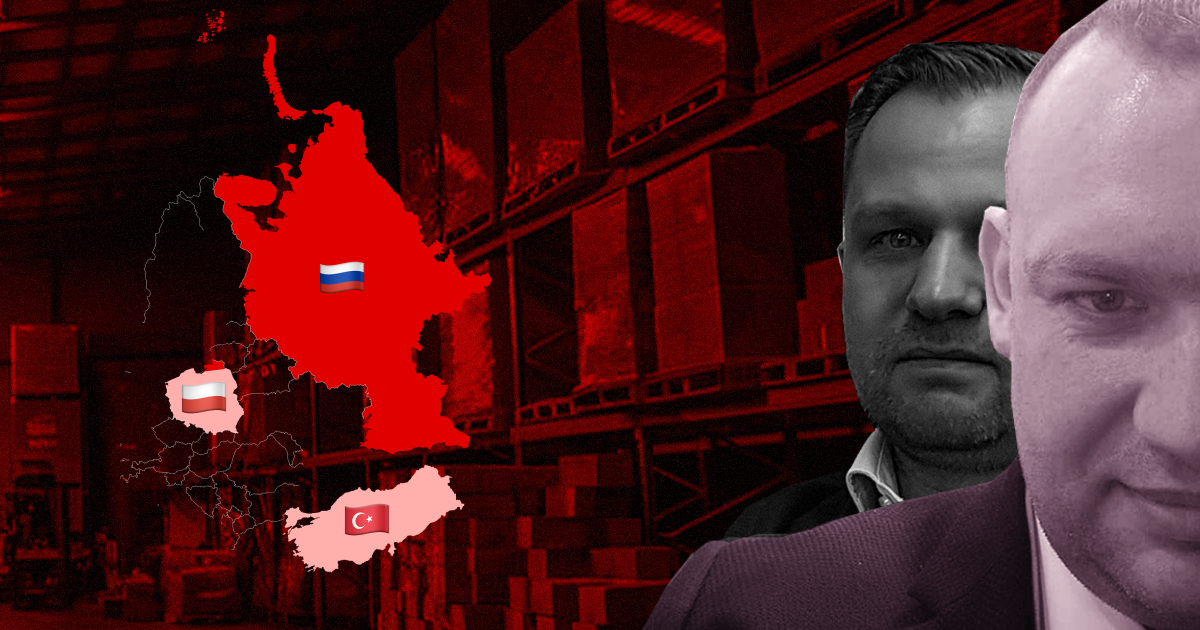
Key findings:
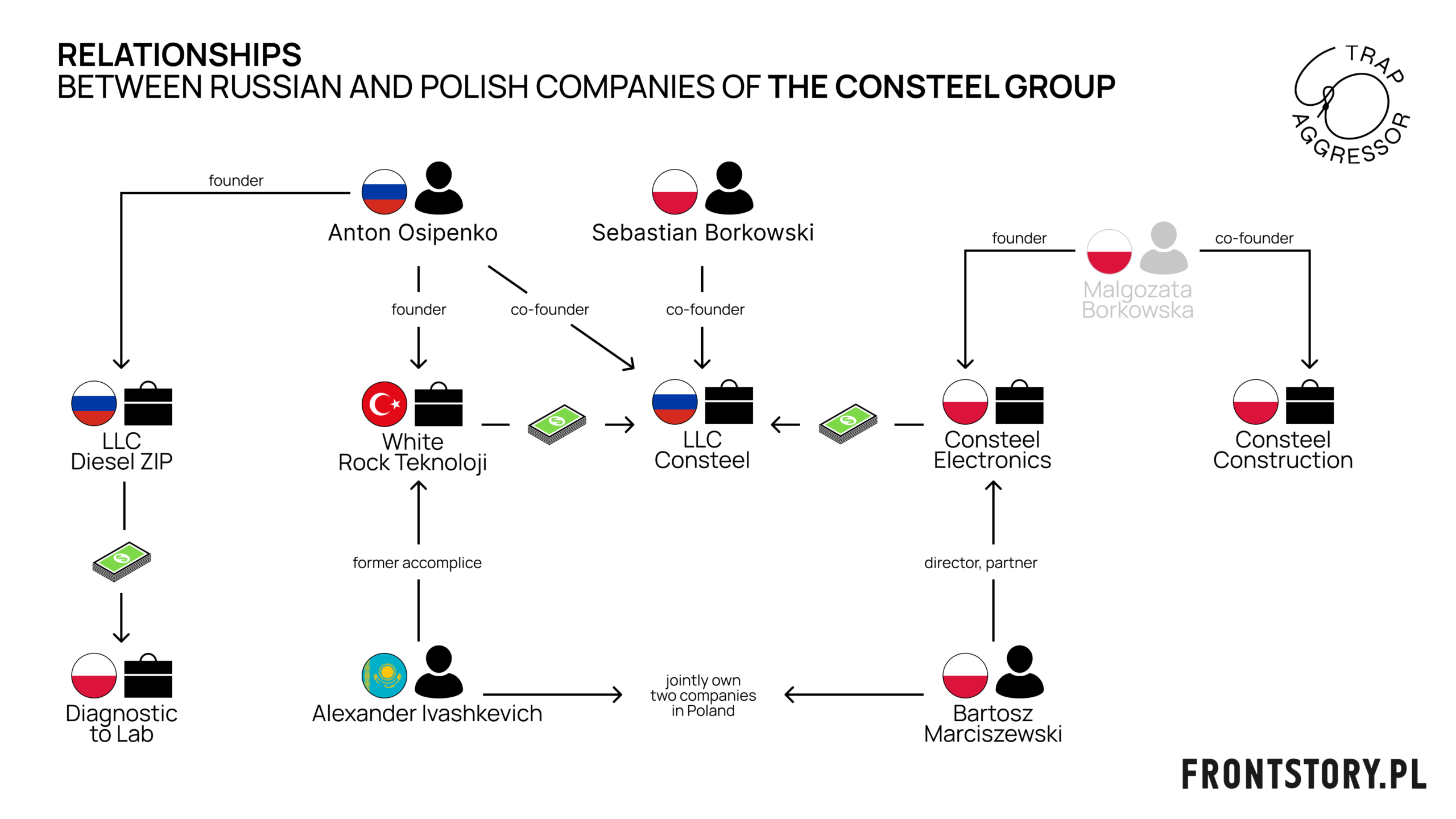
- The Russian company LLC Consteel, registered in Kaliningrad, uses logistics channels through Poland and Turkey to supply sanctioned goods.
- The company’s founder is Anton Osipenko, a member of the United Russia party who actively supports military-patriotic education of young people. He has business partners in Poland who run related companies.
- During the full-scale invasion, Turkish and Polish companies associated with Consteel supplied the Russian Federation with goods worth over $1.3 million. These included engines and electronic equipment subject to export control.
- The supplies go to Russian client companies that have contracts with enterprises of the military-industrial complex. In particular, these goods could be used to develop parts for the Iskander-M and Kalibr missiles.
Following Russia’s full-scale invasion of Ukraine, numerous companies and specialists emerged in the Russian Federation to help circumvent sanctions. One such entity is Consteel Cargo Russia, a B2B platform that facilitates the delivery of engineering equipment for process automation and industrial network design. Shortly after journalists contacted representatives of the company’s Polish partners, the platform’s website was suddenly taken down for reconstruction.
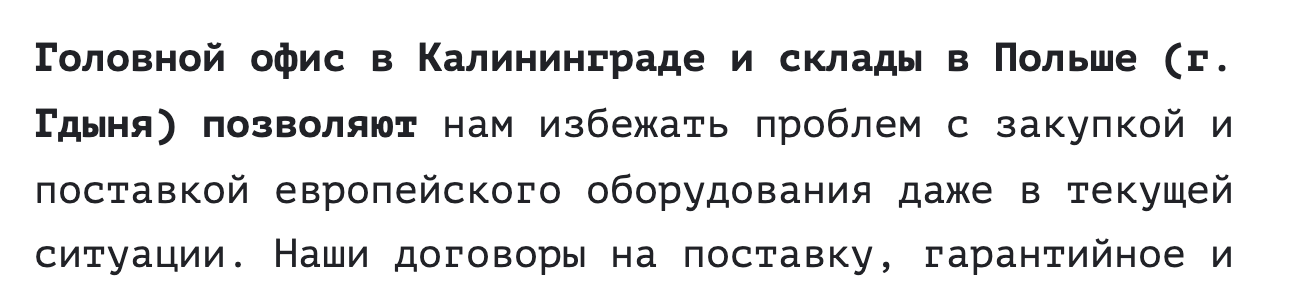
The platform belongs to the Russian company LLC Consteel, whose head office is located in Kaliningrad. However, the company does not hide the fact that it has warehouses in Gdynia, Poland. This, according to them, “allows us to avoid problems with the purchases and supplies of European equipment even in the current situation.” For some reason, the “situation” itself is not described.
By leveraging a network of intermediaries, transit through third countries – Poland, Turkey, and Kazakhstan – and using European vehicles and orders that omit any mention of Russia, the company effectively circumvents sanctions. Through its platform, it facilitates the procurement and logistics of goods from any European country to Russia under sanctions, with a stated minimum contract value of €30,000.

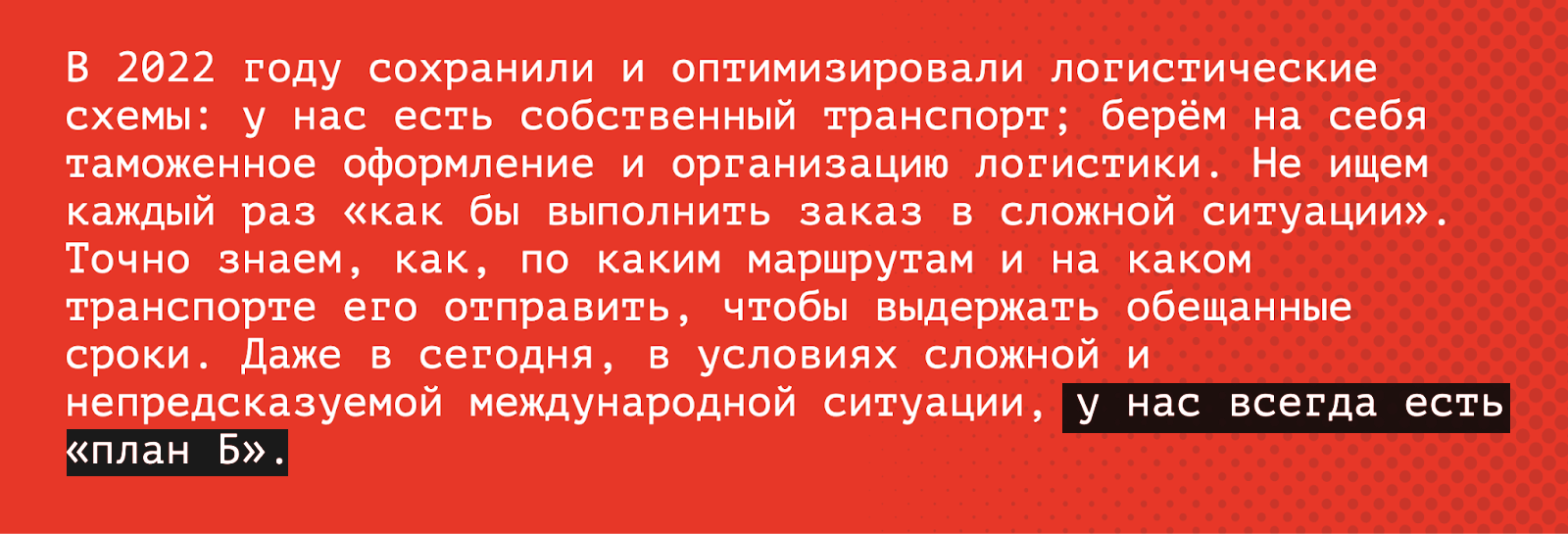
In 2022, we maintained and optimized our logistics schemes: we have our own transport; we take on customs clearance and logistics organization. We do not look for “how to fulfill an order in a difficult situation” every time. We know exactly how, along what routes, and by what transport to send it to meet the promised deadlines. Even today, in the conditions of a difficult and unpredictable international situation, we always have a “plan B”.)
Deputy from “Yedinaya Rossiya” and his global network of companies
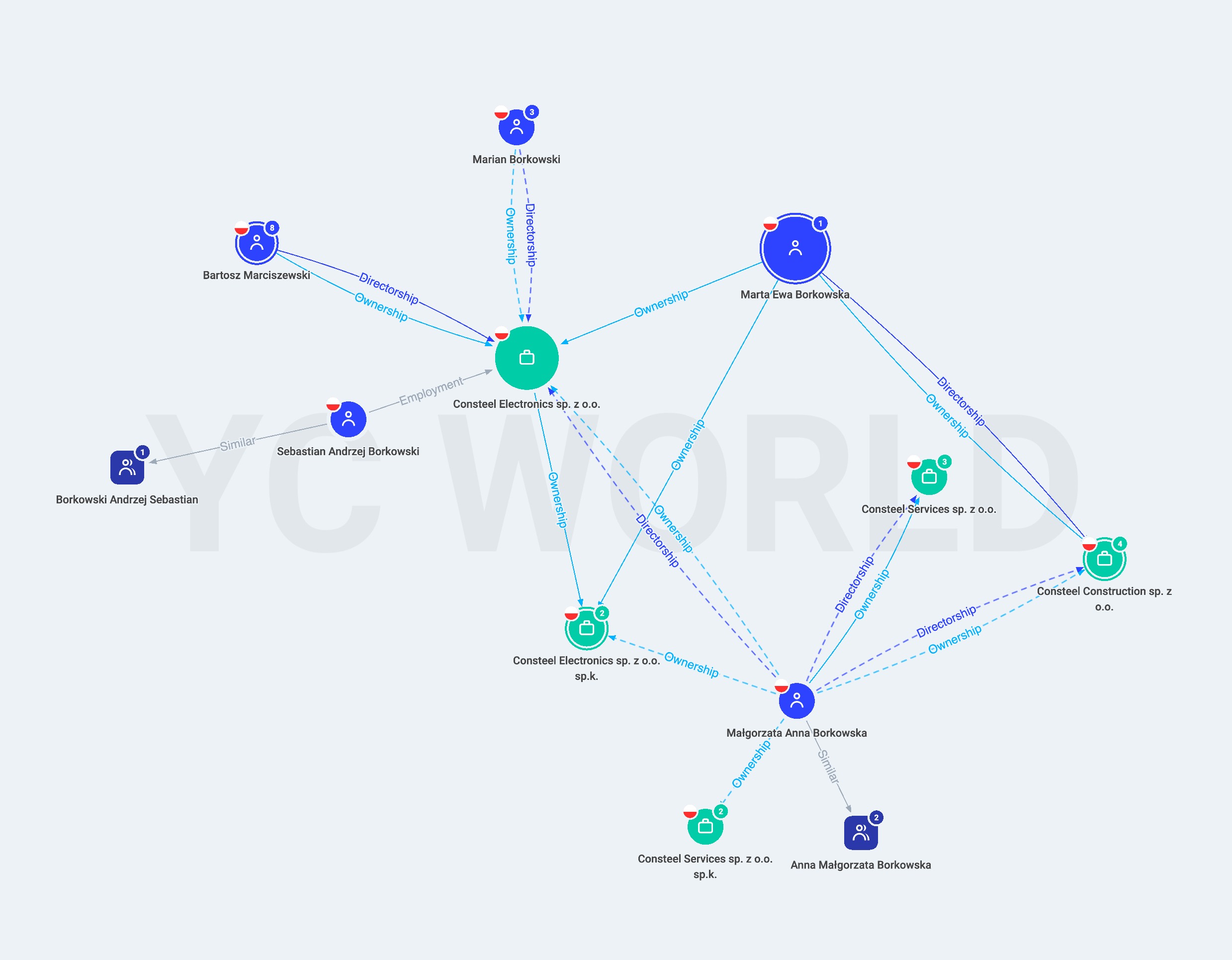
The founder of the Russian LLC Consteel is Osipenko Anton Vladimirovich. He is also a member of the Regional Political Council of Putin’s party, “Yedinaya Rossiya” (United Russia). For a certain period, he was a deputy from this party. Osipenko founded two more companies in Russia – LLC DIESEL ZIP, which also supplies various spare parts to Russia, and LLC ITS. The co-founder of LLC Consteel is a Polish citizen, Andrzej Sebastian Borkowski, and the co-founder of LLC ITS has been a Kazakh citizen, Alexander Ivashkevich. Osipenko often visits various forums that help him promote his companies, and also attends events in Kaliningrad as a representative of local authorities. Often, these events are related to the military education of youth.
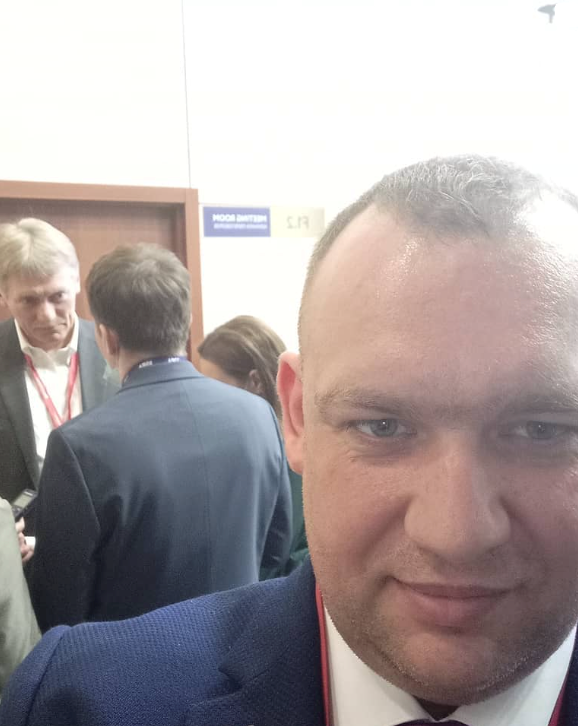
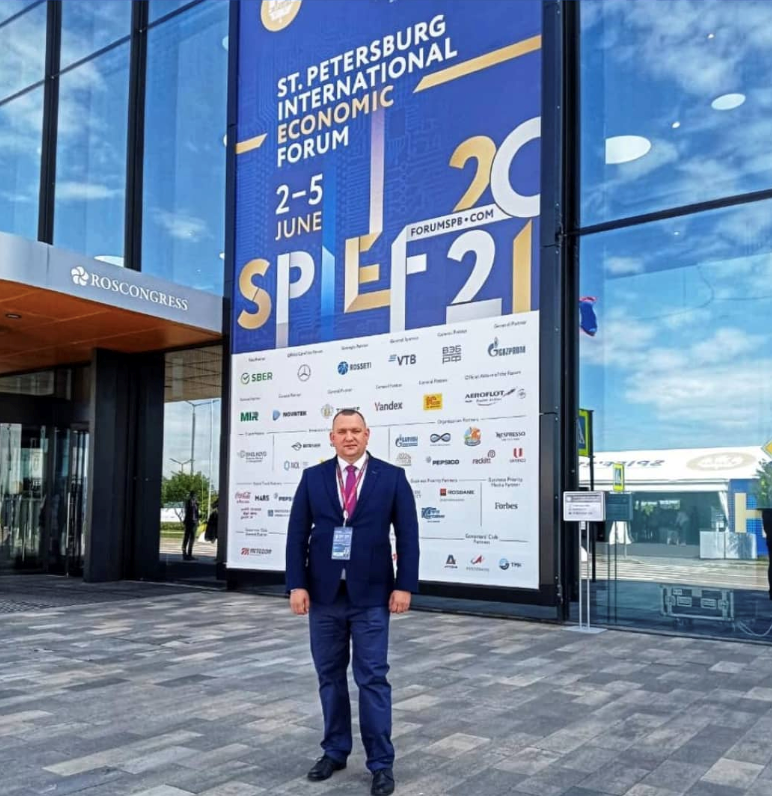
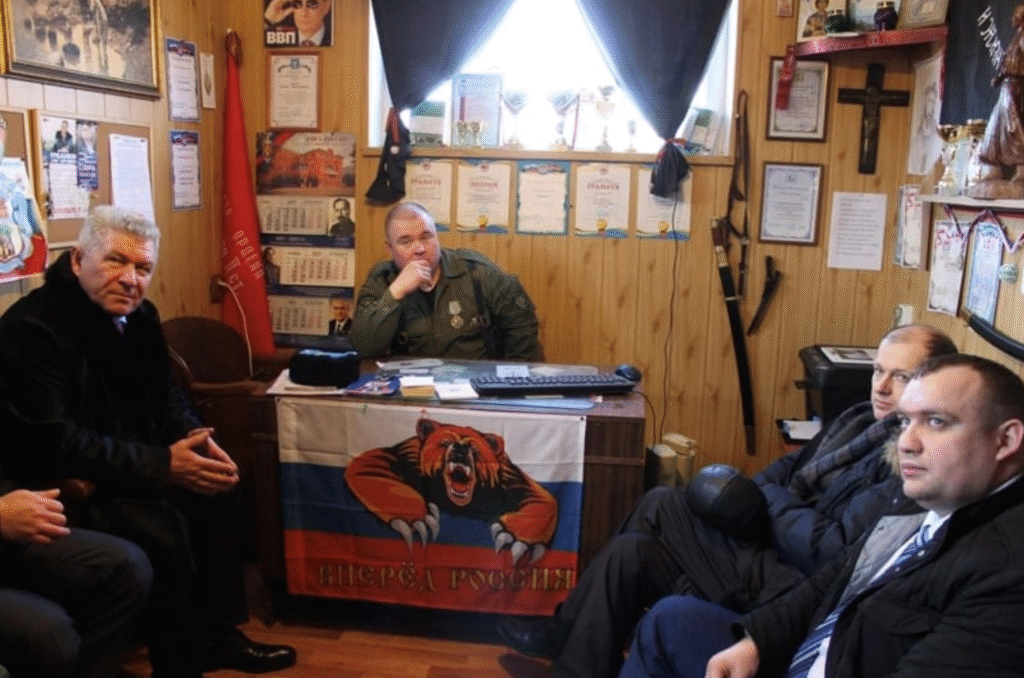
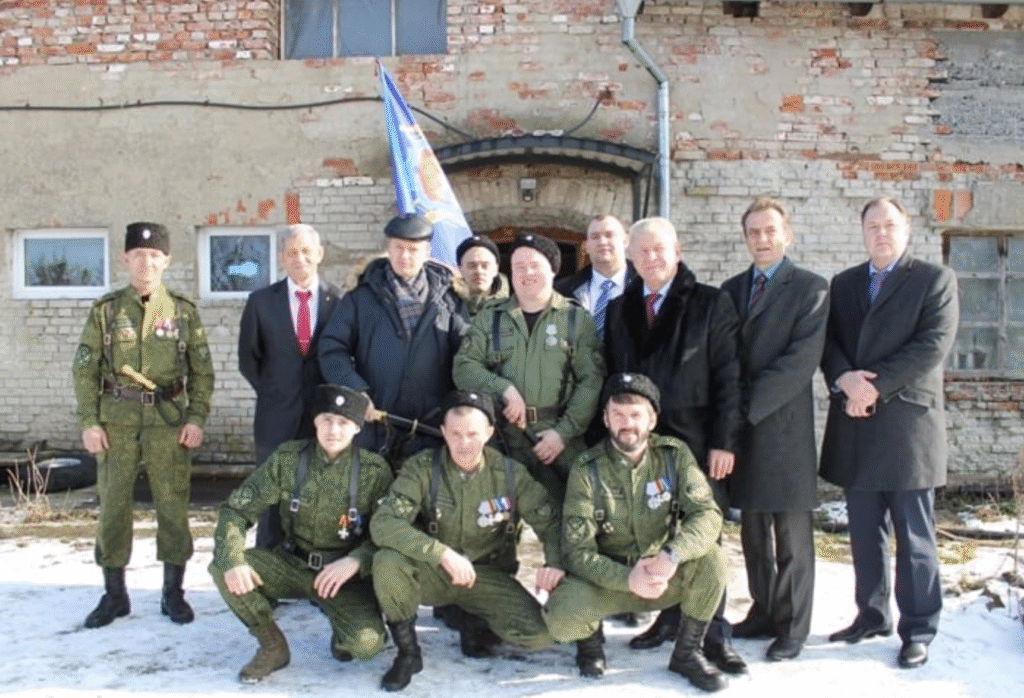
Together with his friends Dmitriy and Natalia Chumakovs, Osipenko founded the Kaliningrad regional youth organization “Association of Russian Martial Arts”. This project is supported and implemented by state programs. They conduct trainings, competitions, and campaigns to promote joining the Russian army in colleges and technical schools.
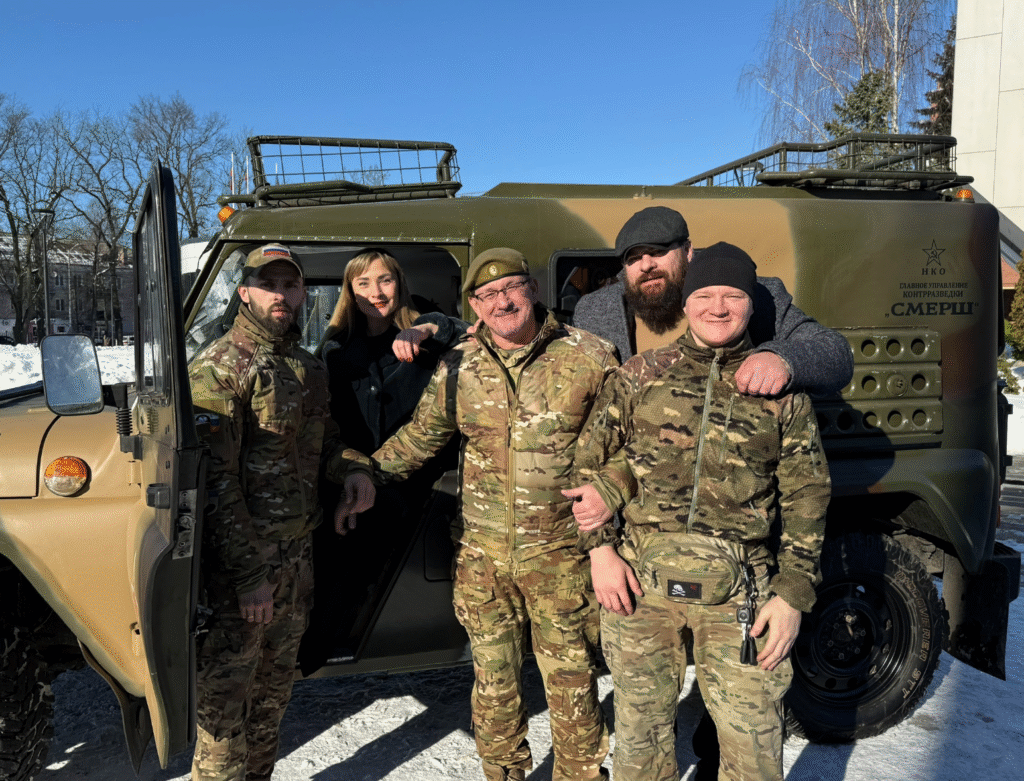
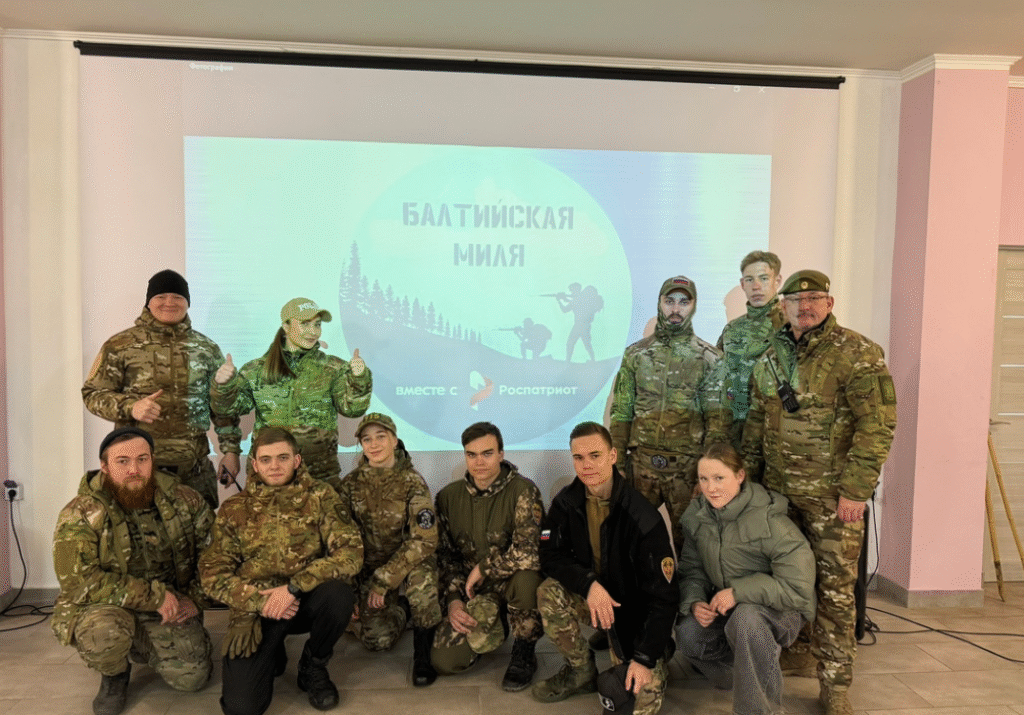
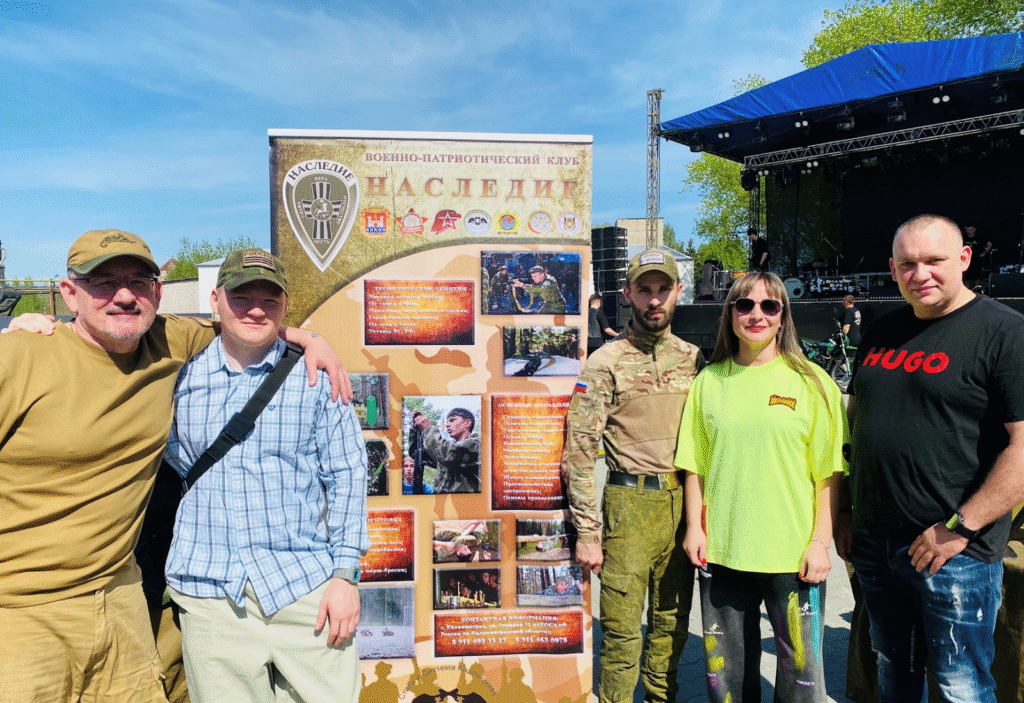
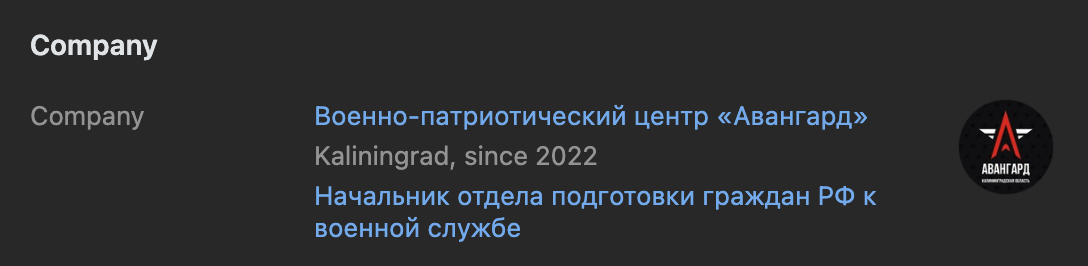
Dmitriy Chumakov indicates on his social media accounts that he works as the head of the department for training Russian citizens for military service. He was actively engaged in the same activity even before the full-scale invasion.
Polish-Russian office
The above mentioned Polish citizen, Sebastian Borkowski, heads the eponymous Consteel Electronics sp.z.o.o in Gdynia, Poland. He is also connected to the entire network of Consteel companies, in particular through family ties – his wife and, probably, his sister. The company allows various companies around the world to use the Consteel brand.
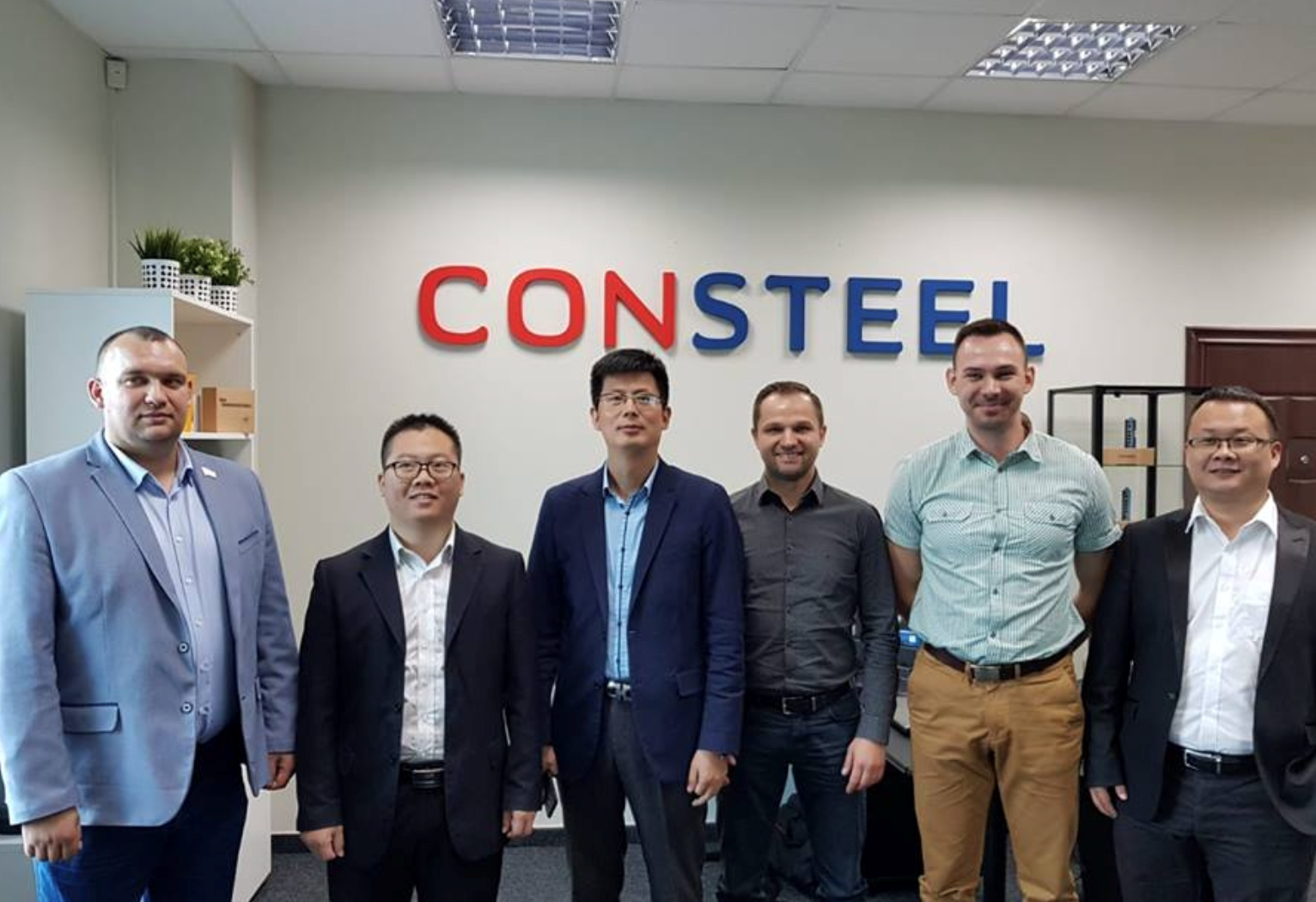
The aforementioned citizen of Kazakhstan, Ivashkevich, also found his place in Poland. There, he heads several companies: Ika Service sp. z.o.o. (51%), Intercapital sp. z.o.o. (50%), and Inter-Capital sp. z.o.o.
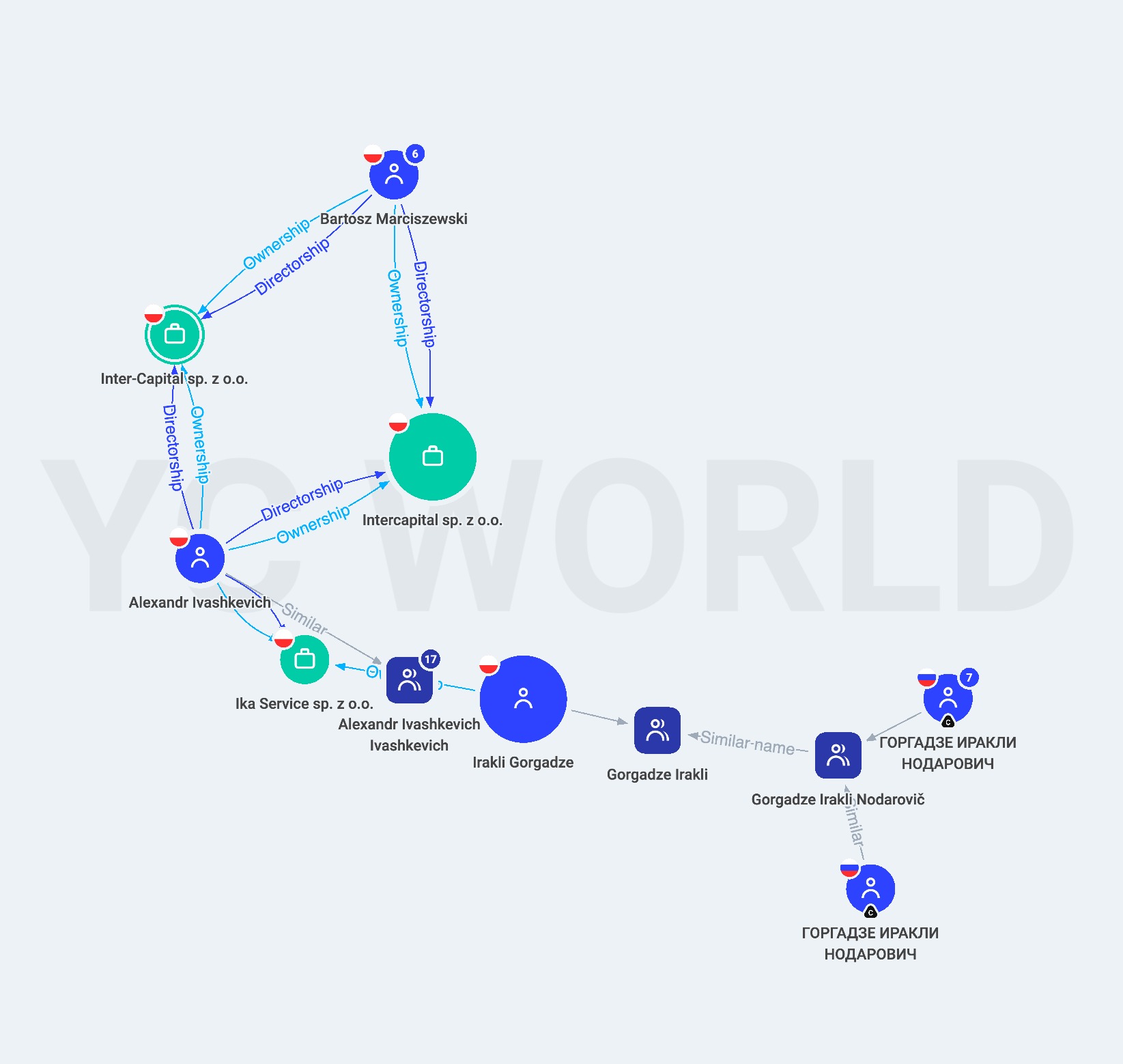
The companies’ activities in the registers indicate that they are engaged in retail trade and the delivery of goods. However, these companies have neither websites nor contacts through which one could order services.
Ivashkevich also founded another company in Poland – Diagnostic To Lab Alexandr Ivashkevich, which, apparently, supplies products only to Russia. According to accessed data, since the beginning of the full-scale invasion, this company has supplied products (spare parts for cars) worth $2.5 million to Anton Osipenko’s company LLC DIESEL ZIP.
“Consteel is our regular client.” Meeting with the president of the Polish partner of Russian businessmen
Anastasia Morozova is a journalist for the Polish media FRONTSTORY.PL, which specializes in investigations and systematically publishes exposés about Russian crimes. We suggested that she conduct a joint study of the activities of the Russian-Polish business, and she agreed. At first, Anastasia visited the office of the Polish Consteel Electronics at the official place of registration in Gdynia, but they reported that the company had “moved” to a neighbouring city. Later she did manage to meet the company’s president, Bartosz Marciszewski, in person. At first, the man was very surprised when the journalist showed him the Consteel Cargo Russia website, where the Russians directly offer to bypass EU sanctions. However, then he began to make excuses. Long and persistently.
“Everything we supply is transported in accordance with current legislation. We do not participate in transportation or in circumventing sanctions. The Russian company Consteel is a separate legal entity, our regular client, like many others in the world. They buy the goods themselves and resell them. From the side of the Polish company I lead, everything is carried out according to the rules, which are constantly changing. If the goods crossed the border, it means that they were not classified as dual-use goods. Yes, earlier deliveries were made to Kaliningrad when this was still allowed by customs rules. Now, no, because practically nothing can be sold. Sometimes the Russian Consteel used our warehouse if it accelerated logistics. But all deliveries were made on legal grounds. Regarding products, even a regular light converter that works via the DALI protocol can receive a code similar to that used for dual-use equipment. There are a lot of such devices, and without a specific product code, it is impossible to draw unambiguous conclusions about the deliveries,” said Marciszewski.
Turkish-Russian office
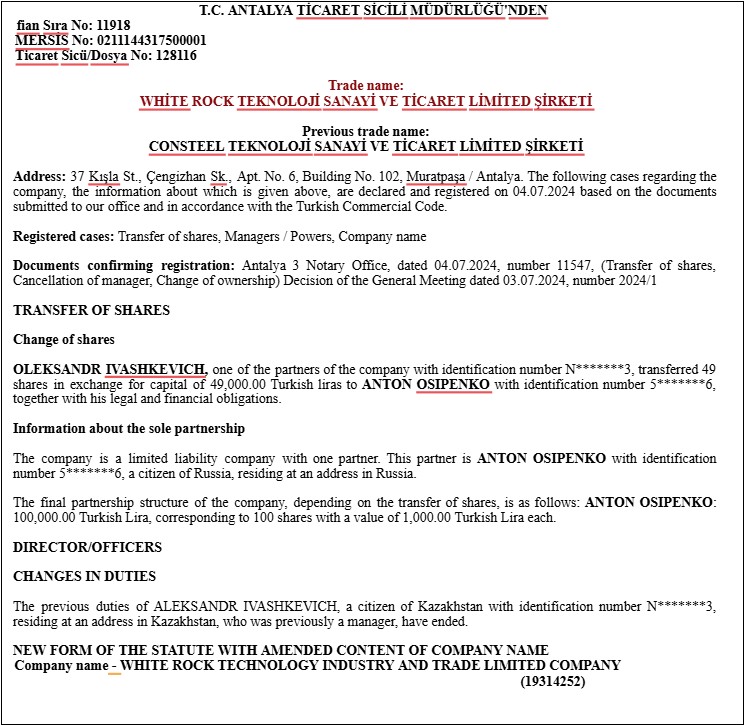
But the network of Russian circumvention of sanctions restrictions does not end with Polish allies. Apparently, due to the need to establish supplies, LLC Consteel also opened a Turkish office – the company Consteel Teknoloji̇ Sanayi̇ Ve Ti̇caret Li̇mi̇ted Şi̇rketi̇. It was founded in July 2023 by Anton Osipenko himself, who later gave a 50% stake to the aforementioned citizen of Kazakhstan, Alexander Ivashkevich, but later Anton Osipenko again became the sole owner, which once again proves the business connection of these people not only in Russia but also abroad. In July 2024, the company was renamed White Rock Teknoloji̇ Sanayi̇ Ve Ti̇caret Li̇mi̇ted Şi̇rketi̇.
Supply of products under export control
Since the beginning of the full-scale invasion, Turkish and Polish Consteel have supplied goods worth $1.3 million to the Russian Federation.
Among the products were some that fall under sanctions restrictions. More than half of them were marked with sanctioned HS codes 8517620009 (machines for receiving, converting and transmitting voice, images or other data) and 8409990009 (parts for engines).
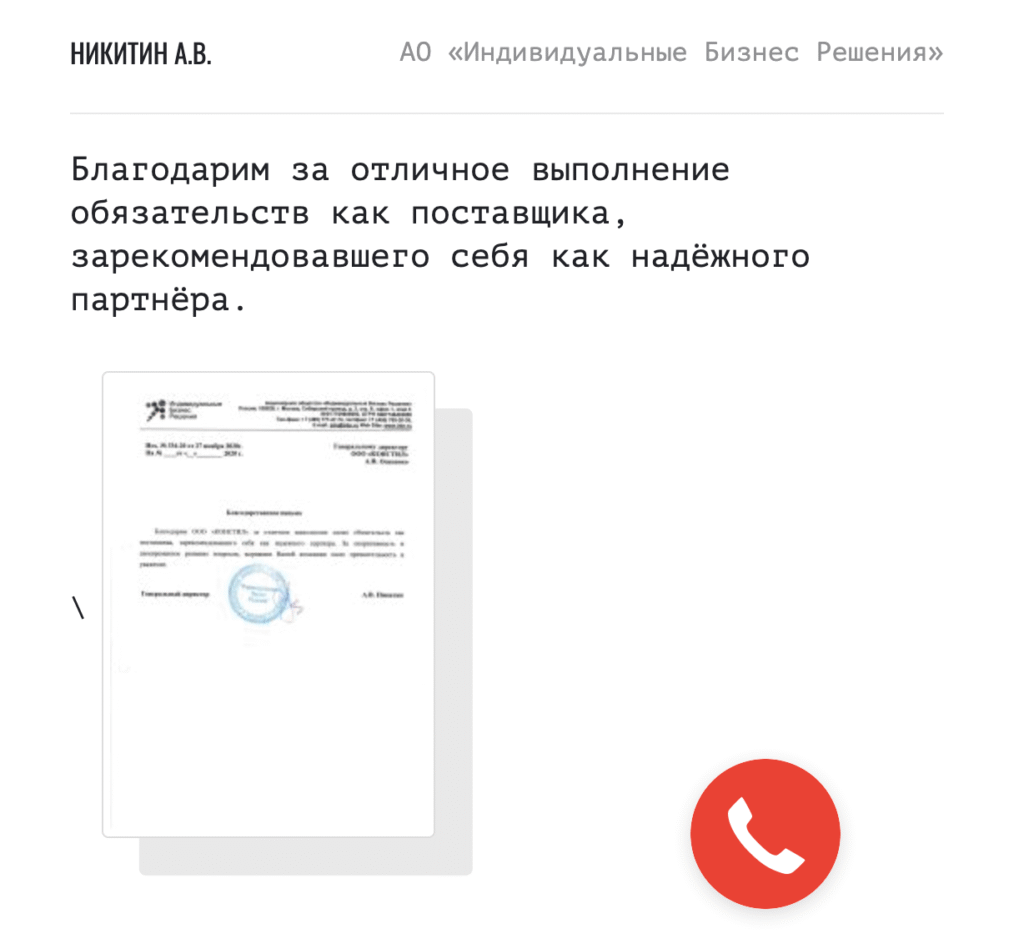
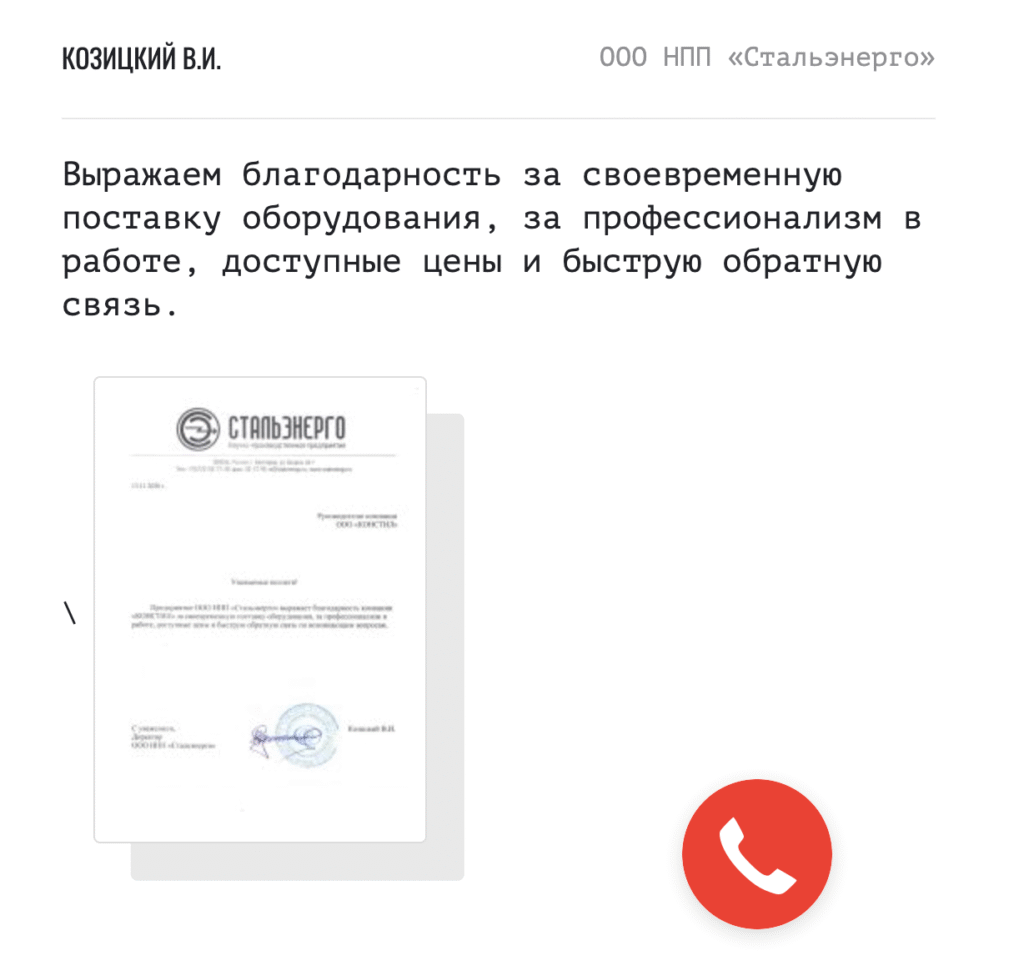
These products could presumably have been supplied from the Russian Consteel to its Russian client companies, which are mentioned on the company’s website. All of them cooperate or cooperated with military-industrial complex enterprises:
- LLC NPP Stalenergo supplied products to the state enterprise Main Military Construction Department No. 7;
- JSC Individual Business Solutions had contracts with the Russian Ministry of Internal Affairs;
- CJSC Arktika collaborated with a key design bureau that designs naval military equipment for the Navy, JSC St. Petersburg Maritime Engineering Bureau Malachite;
- LLC Sovremennye Tehnologii supplied products to the M.F. Stelmakh Polyus Research Institute, which develops parts for the Iskander-M and Kalibr missiles that regularly kill Ukrainians.
An expert from the British think-tank RUSI (Royal United Services Institute) explains: “Before the Russian invasion of Ukraine, Polish law did not provide penalties for violating the sanctions regime. The relevant law was passed in April 2022, after the introduction of the first four EU sanctions packages. Since then, however, it has not been amended until February 2025, despite the EU adopting subsequent packages in the meantime. Therefore, even if Consteel Electronics violated EU sectoral sanctions prohibiting the export of certain goods in 2024, there is a risk that it cannot be punished for this due to the lack of appropriate criminal provisions enabling the application of EU sanctions.”
Despite export restrictions imposed by the EU, the US, and other countries, some Russian companies successfully circumvent them by using transit through third states and even European countries. Dual-use goods, including engines, electronics, and other equipment subject to export control, continue to arrive in Russia through these logistical “gray zones.” Although formally these components can be used for civilian production, in practice, they are easily integrated into the production chains of military-industrial complex enterprises. And civilian electronics easily become part of the Russian Federation’s high-precision weapons.