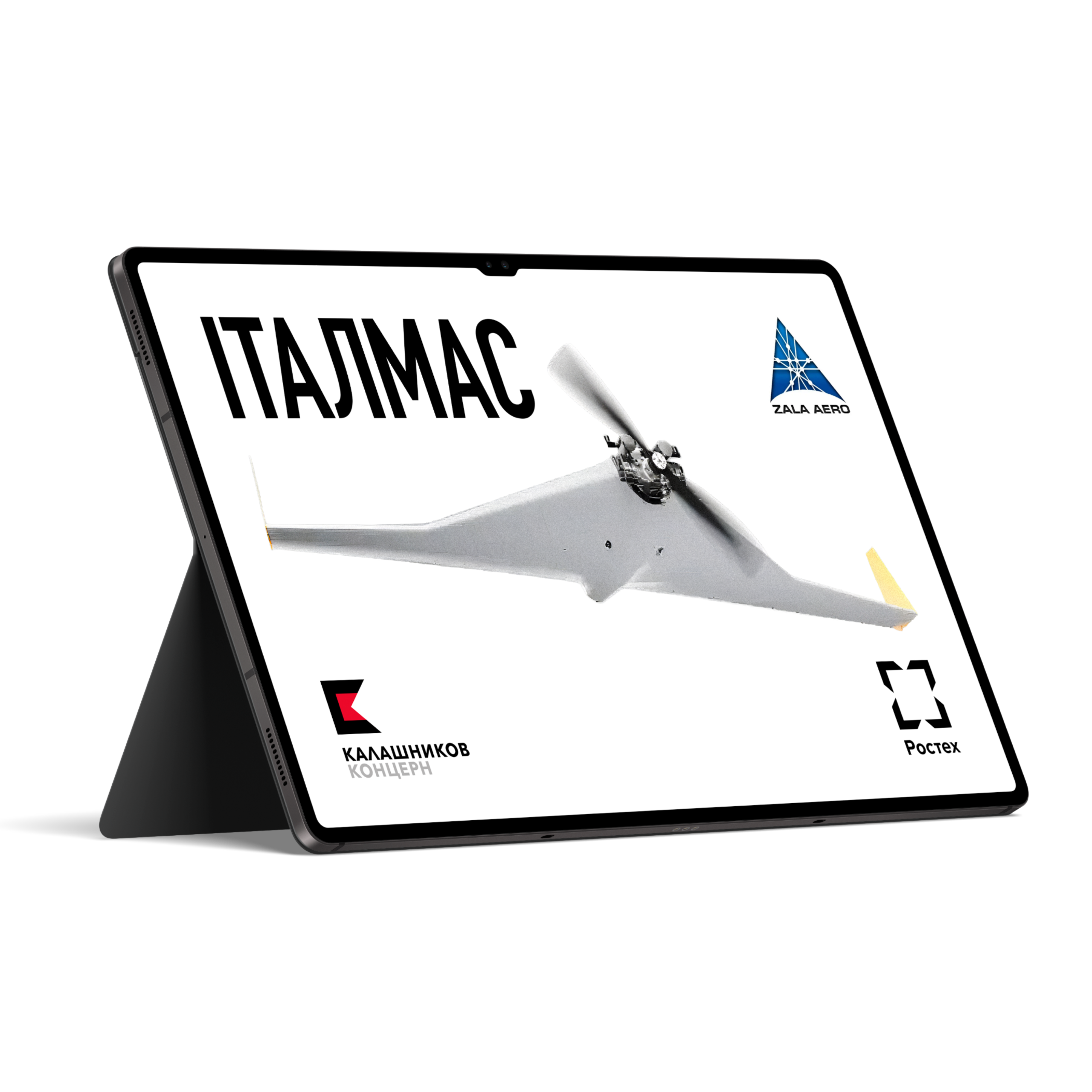

Despite sanctions and dozens of restrictive measures imposed on Russia’s defense industry, the Italmas drone continues to feature in attacks against Ukraine. Behind this UAV stands a network of companies affiliated with the ZALA Group, some of which have already been sanctioned by the United States, the European Union, and the United Kingdom.
However, an analysis of corporate records, financial disclosures, and sanctions databases reveals that certain entities and key executives within this network remain untouched by international restrictions. In this report, analysts at StateWatch Think Tank examine who is behind the production of the Italmas drone and identify the loopholes that continue to enable this system to operate despite mounting sanctions’ pressure.
What Is the Italmas (Izdeliye-54 or Product 54) Drone?
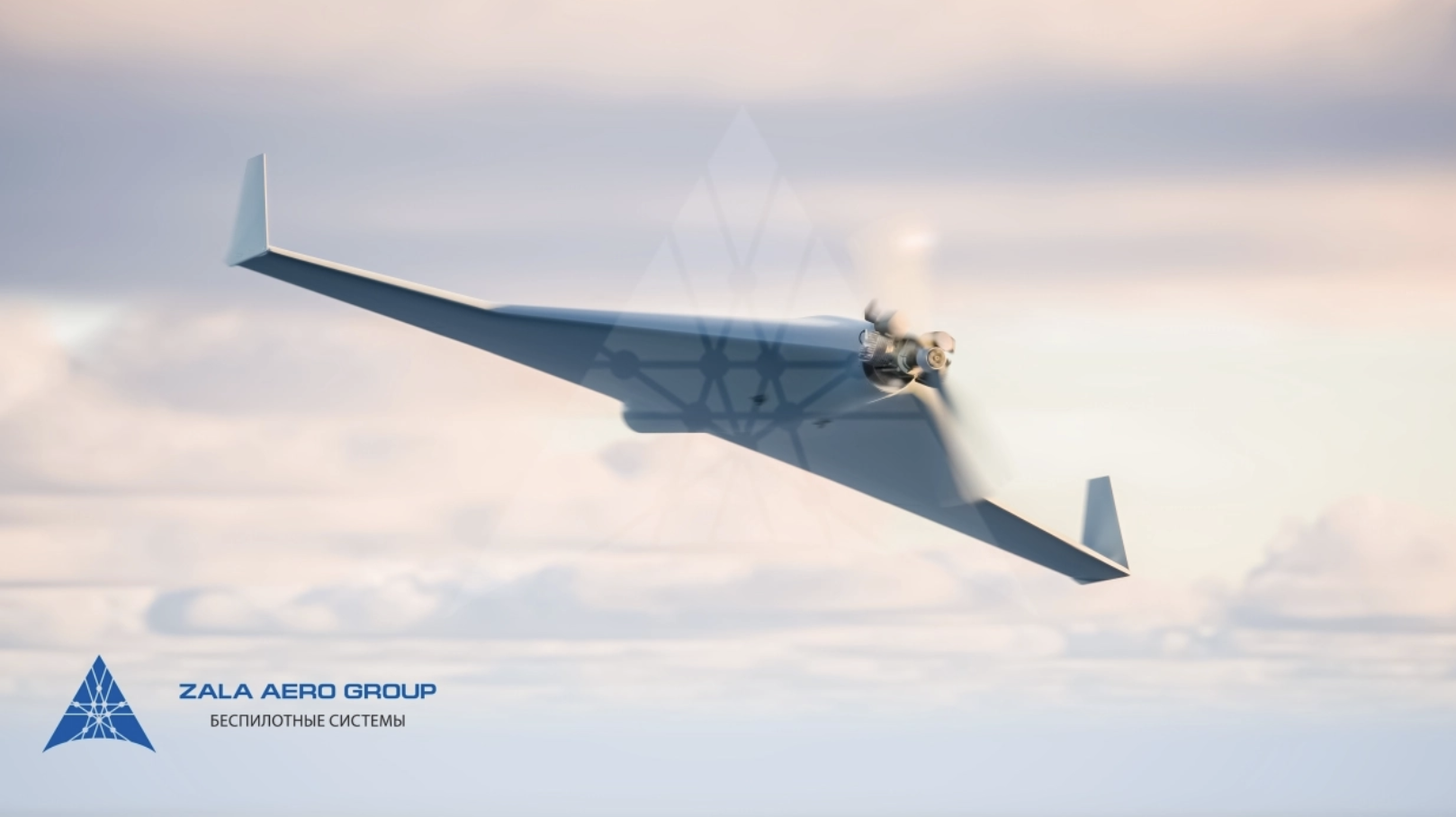
The Italmas is a Russian loitering munition developed by the ZALA AERO Group in Izhevsk. It was unveiled publicly for the first time at the Army-2023 defense forum. According to the manufacturer, the UAV is powered by an internal combustion engine and features fuel tanks integrated into its wings. It is designed to strike pre-selected targets at ranges exceeding 200 kilometers (124 miles). The company has also touted an enlarged warhead and stated that the system is ready for mass production.
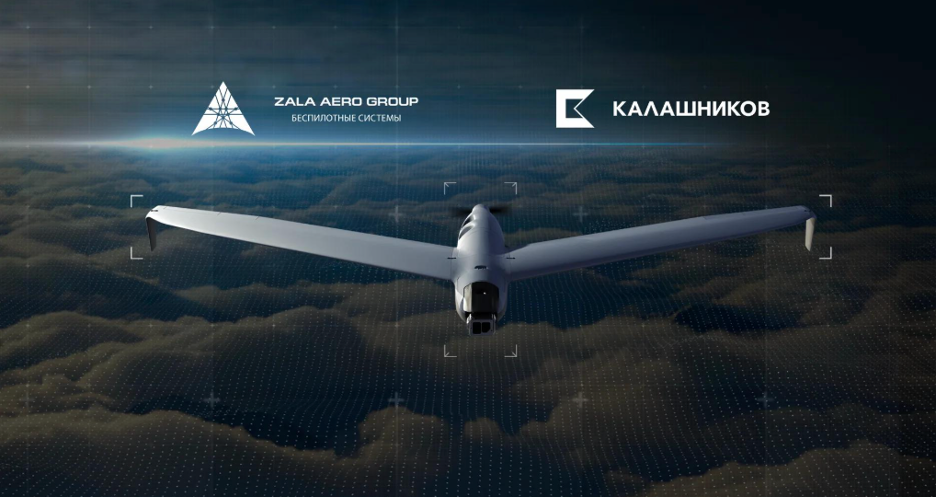
Since 2015, ZALA AERO has operated as part of the Kalashnikov Concern, which itself falls under the umbrella of the state-owned conglomerate Rostec. According to Ukraine’s state-run War & Sanctions portal, the Product-54 (Italmas) is classified as a pneumatically launched loitering munition. The portal explicitly identifies ZALA AERO JSC, Aeroscan LLC, and Special Technology Center (STC) LLC as affiliated manufacturers – key companies that also play a central role in producing drones from the Lancet family.
Design, Cost, and the “Poor Man’s Drone” Concept
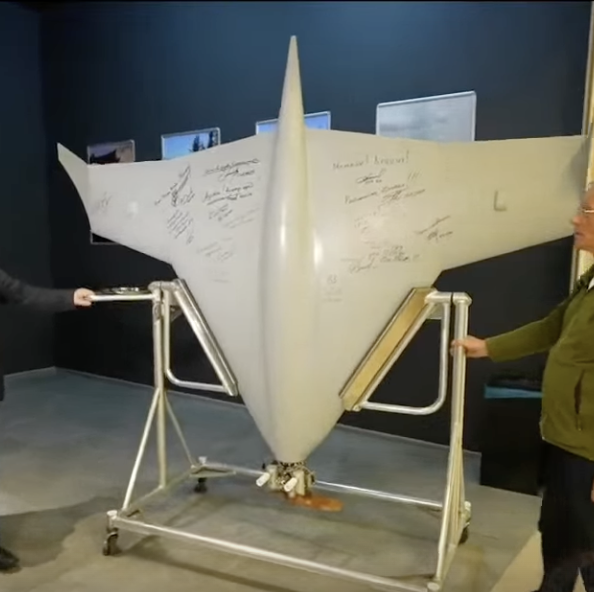
According to assessments by Ukrainian military personnel and defense analysts, the Italmas was designed as an ultra-low-cost loitering munition built from readily available components. Following examinations of recovered wreckage, Ukrainian specialists reported that some parts, including the engine, could be sourced from the civilian market.
This approach significantly lowers production costs and simplifies import substitution efforts, making the drone particularly attractive for large-scale strike campaigns. Analysts at Defense Express have also documented the presence of corner radar reflectors on downed Italmas drones. This suggests that the platform may serve not only as a strike weapon but also as a low-cost decoy intended to saturate and distract Ukrainian air defenses.
The drone was first deployed in combat in the autumn of 2023. Russian forces reportedly used the Italmas alongside Shahed drones in an effort to overwhelm Ukraine’s air-defense network. In some cases, Italmas drones were launched ahead of, or simultaneously with, larger attack waves, effectively probing and exposing defensive positions before the main strike package arrived. Such tactics were observed during attacks targeting Ukraine’s energy infrastructure.
The heaviest sanctions burden has fallen on STC LLC. The company serves as one of the cornerstone enterprises within the ZALA Aero Group and is involved in the production of the Lancet, Kub, and Italmas drone families. STC is currently subject to sanctions imposed by the United Kingdom, the United States, and the European Union. Sanctions documentation links the company directly to the manufacture of unmanned systems for Russia’s military-industrial complex. Aeroscan LLC, another critical node in ZALA’s production network, has also been sanctioned. The European Union identifies the company as a participant in the production of drones for the Russian military, including Lancet loitering munitions and newer reconnaissance platforms developed under the ZALA brand.
ZALA founder Alexander Zakharov has likewise been sanctioned by Ukraine, the United States, the United Kingdom, and the European Union. Similar restrictions have been imposed on his son, Nikita Zakharov, who is associated with both the group’s business operations and Aeroscan LLC.
On paper, most of the group’s key entities are already under sanctions. However, a closer look at newly established legal entities and management structures reveals a far more nuanced picture.
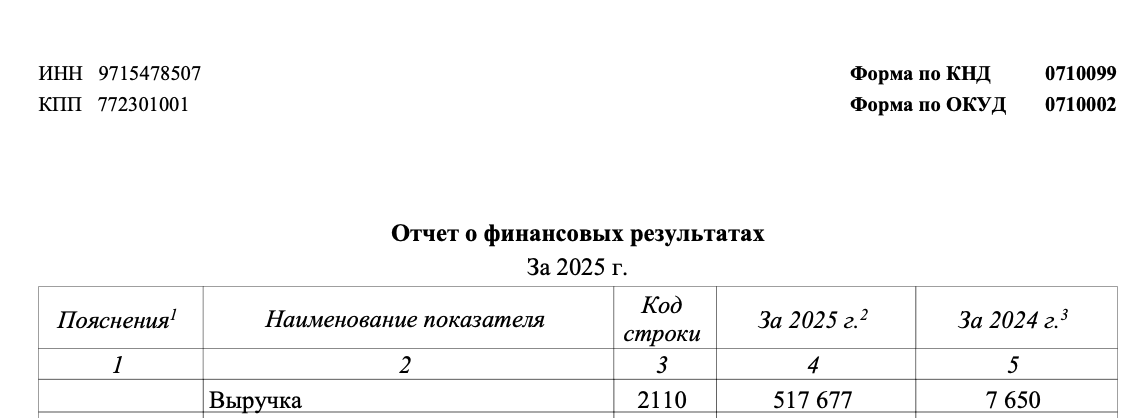
One notable example is ZALA AERO JSC, a new corporate entity established in 2024, after the start of Russia’s full-scale invasion of Ukraine. During its first full year of operations, the company posted striking financial growth. Revenue climbed to 517.7 million rubles, while net profit reached 1.4 billion rubles. Company assets exceeded 24 billion rubles, with shareholder equity standing at nearly the same level.
Another indication that assets are being consolidated within this new corporate vehicle is its growing portfolio of intellectual property. As of June 2026, ZALA AERO JSC holds the rights to at least two trademarks associated with the group’s brands: AEROSCAN and YA ZA. Notably, the AEROSCAN trademark was registered in March 2025, after the creation of ZALA AERO JSC, suggesting that brand assets may be gradually migrating into the new structure.
The heaviest sanctions burden has fallen on STC LLC. The company serves as one of the cornerstone enterprises within the ZALA Aero Group and is involved in the production of the Lancet, Kub, and Italmas drone families. STC is currently subject to sanctions imposed by the United Kingdom, the United States, and the European Union. Sanctions documentation links the company directly to the manufacture of unmanned systems for Russia’s military-industrial complex. Aeroscan LLC, another critical node in ZALA’s production network, has also been sanctioned. The European Union identifies the company as a participant in the production of drones for the Russian military, including Lancet loitering munitions and newer reconnaissance platforms developed under the ZALA brand.
ZALA founder Alexander Zakharov Zakharov has likewise been sanctioned by Ukraine, the United States, the United Kingdom, and the European Union. Similar restrictions have been imposed on his son, Nikita Zakharov, who is associated with both the group’s business operations and Aeroscan LLC.
On paper, most of the group’s key entities are already under sanctions. However, a closer look at newly established legal entities and management structures reveals a far more nuanced picture.
One notable example is ZALA AERO JSC, a new corporate entity established in 2024, after the start of Russia’s full-scale invasion of Ukraine. Following its incorporation, however, the company became the registered owner of several intellectual property assets associated with the ZALA brand. As of June 2026, JSC ZALA AERO owns at least two registered trademarks: AEROSCAN (АЭРОСКАН) and YA ZA (Я ZA). Notably, the trademark AEROSCAN was registered in the name of JSC ZALA AERO in March 2025, after the company had already been established.
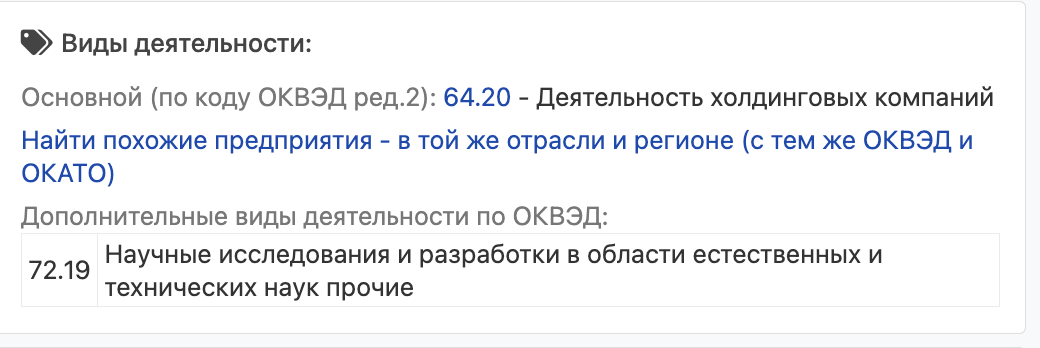
According to the official company register, JSC ZALA AERO’s primary business activity is that of a holding company. Legally, this means the company was established to own and manage interests in other businesses rather than to engage in manufacturing. Its financial statements are consistent with that corporate structure. In its first full year of operations, the company reported a sharp increase in its financial performance.
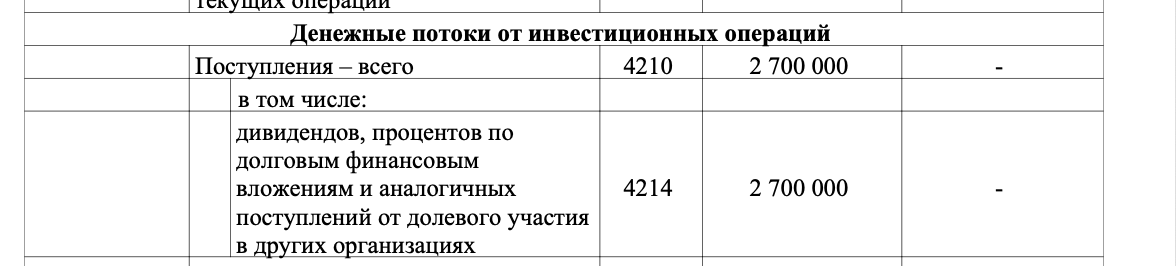
In 2025, the company reported revenue of RUB 518 million. However, its cash flow statement shows that it received RUB 2.7 billion in the form of dividends, interest, and other distributions from investments in other organizations. In other words, the company’s main source of cash wasn’t the sale of its own products, but income generated by companies in which JSC ZALA AERO holds equity interests.
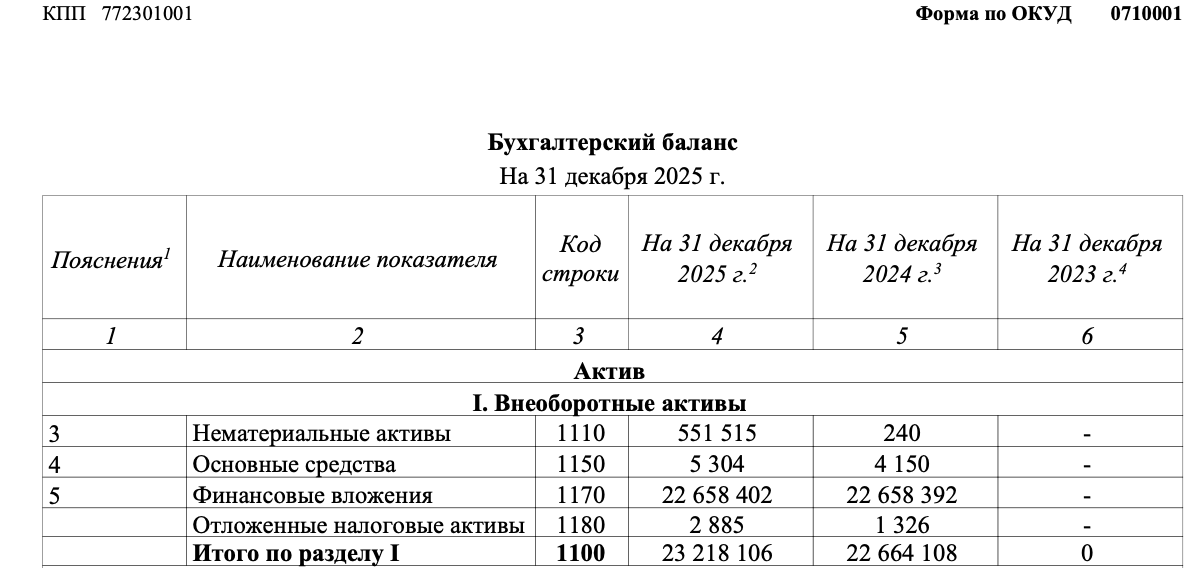
The company’s balance sheet tells the same story. Of its RUB 23.2 billion in total assets, RUB 22.66 billion consists of financial investments. In other words, virtually all of the company’s value is concentrated not in manufacturing facilities, equipment, or inventories, but in investments in other businesses.
Put simply, a typical factory earns its money by making and selling products. JSC ZALA AERO, by contrast, generates most of its income from the companies it owns, which pay it dividends.
Although ZALA AERO JSC is subject to Ukrainian sanctions, it hasn’t yet been targeted by the United States, the United Kingdom, or the European Union to the same extent as the group’s older entities. Within a network-based production model, this distinction matters. It creates opportunities to redistribute functions, assets, and business activities among different legal entities, potentially mitigating the impact of sanctions imposed on other parts of the organization.
A similar pattern can be observed within the management structure. Konstantin Abashkin, the head of ZALA AERO JSC, has been sanctioned by Ukraine. However, despite holding a senior leadership role within organizations linked to the production of Russian strike drones, he doesn’t appear on the most prominent personal sanctions lists maintained by Western governments.
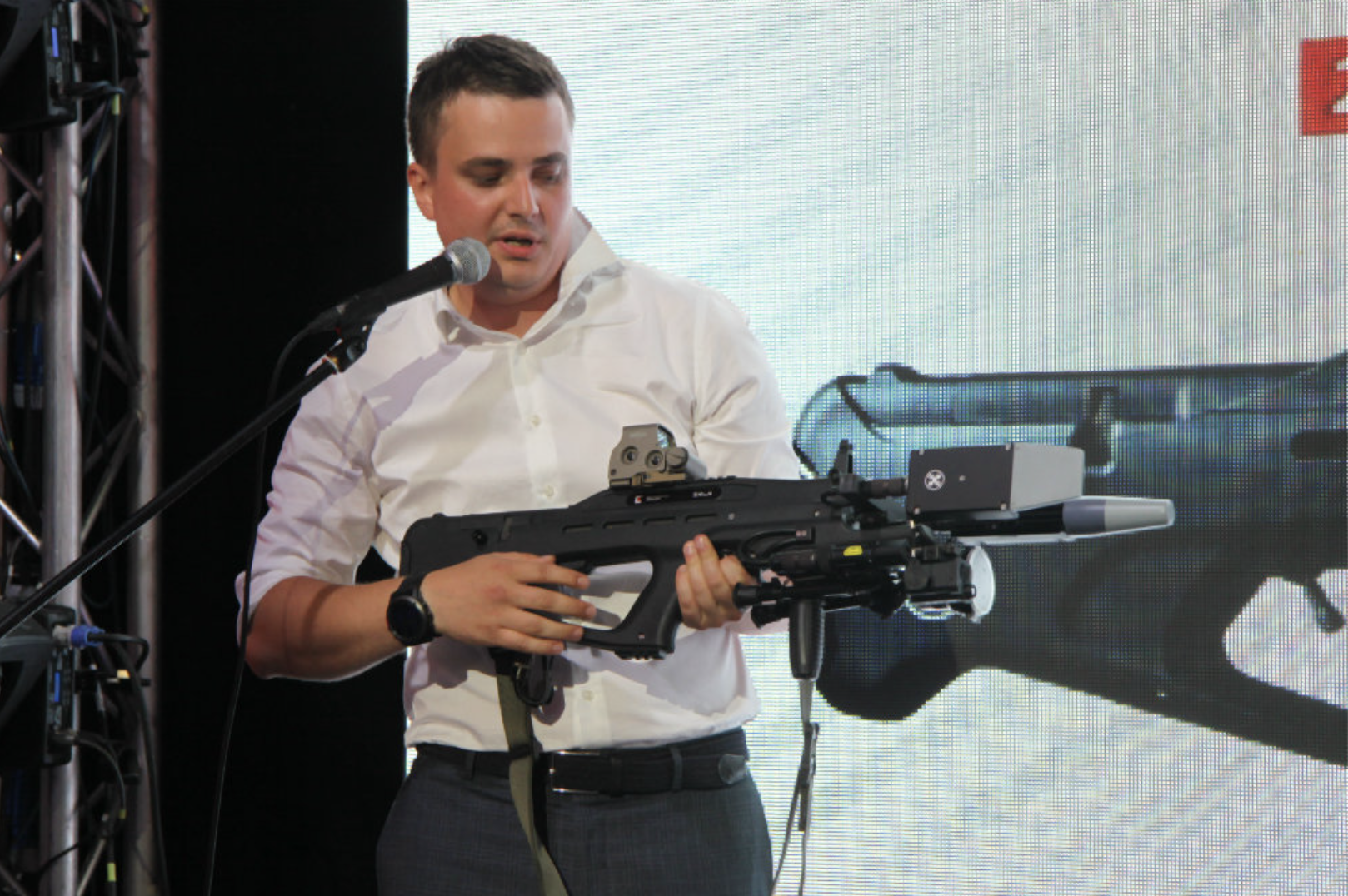
The story of the Italmas drone illustrates a broader challenge facing sanctions policy. Restrictions imposed on Russia’s defense industry are increasingly struggling to keep pace with the rapid evolution of corporate structures inside production networks. As some companies become sanctioned, new legal entities emerge, assets are reallocated, and management structures are reshuffled. The key question today is no longer simply how many sanctions packages have been adopted, but how quickly those measures can adapt to changes within the very networks they are designed to disrupt.
Previously, StateWatch Think Tank contributed to strengthening sanctions pressure on Russia. One of the outcomes, for example, was the inclusion of Rustakt in the EU’s 21st sanctions package for its role in supporting Russia’s military-industrial complex. Read more in the news article.