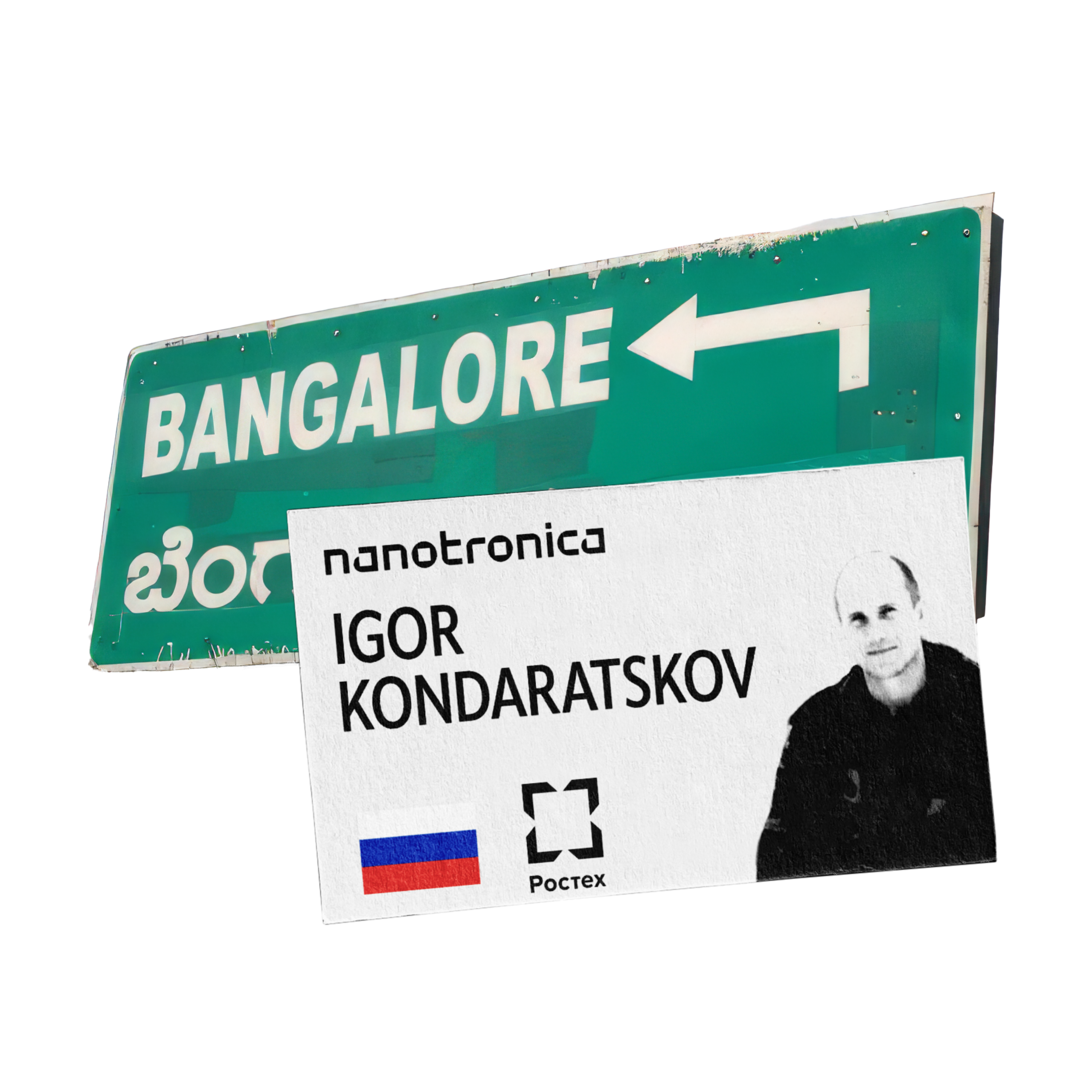

In June 2026, information surfaced that Russia is introducing its chipmaking equipment to the Indian market. The company in question is JSC Nanotronica, a subsidiary of the microelectronics holding company JSC Element. Nanotronica has established a subsidiary in Bangalore, India, and plans to supply its products there while assisting Russian companies in establishing a foothold in the local market. JSC Element itself was created based on the assets of AFK Sistema and Russian state defence-industrial conglomerate Rostec. Element is already under sanctions imposed by the US, Japan, the EU, Canada, and Ukraine.
Element founded Nanotronica in 2023 in Zelenograd near Moscow, which is a well-known scientific and production centre specialising in electronics and microelectronics. For 2025, Nanotronica declared a net loss twice as large as the previous year: 145.97 million rubles compared to 67.5 million rubles. The main reason cited was difficulties in procuring imported components due to sanctions against Russia.
According to an Indian company aggregator, Nanotronica India Private Limited was registered back in November 2025. Its listed directors are Vibhu Swarup Saxena, an Indian citizen, alongside Russians Igor Kondratskov and Yulia Sukhoroslova, the current CEO of the Russian parent company Nanotronica.

Yulia Sukhoroslova is a 33-year-old engineer-physicist who previously worked at Rostec and launched her own project involving chemical etching equipment. She progressively rose to become the CEO of a standalone enterprise, JSC Nanotronica. In her interviews, she openly acknowledges that her company’s products and the sector as a whole are actively used in the manufacturing of Russian weaponry. Her sole concern appears to be why Russia did not attempt to eliminate its dependence on foreign component imports sooner. According to her, the future belongs to microelectronics, meaning the Russian Federation must establish domestic production as quickly as possible.
Igor Kondratskov is a retired colonel. In 1984, he graduated from the Military University of Radioelectronics of the Ministry of Defence of the Russian Federation in Cherepovets. Following his graduation, he participated in numerous UN military missions in Rwanda, Iraq, Kosovo, and other regions.
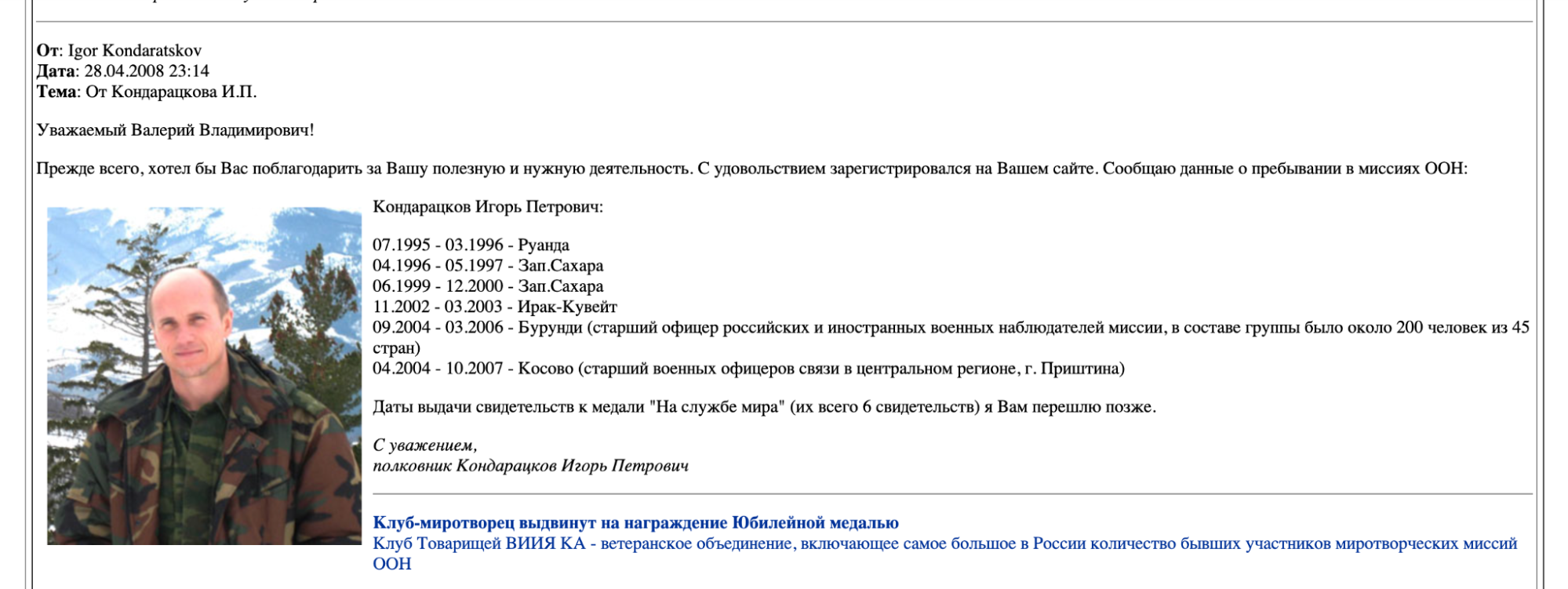
Later, Kondratskov went on to manage security matters for a number of Russian telecommunications companies (MTS, Beeline, VEON, etc.), frequently within their foreign branches. Notably, he worked at the Indian branch of MTS (Sistema Shyam Teleservices Ltd) until its closure in the late 2000s, evidently gaining extensive knowledge of the country’s market. On LinkedIn, Kondratskov has been tagged by Indian military personnel and security specialists expressing gratitude for his mentorship and professional advice.

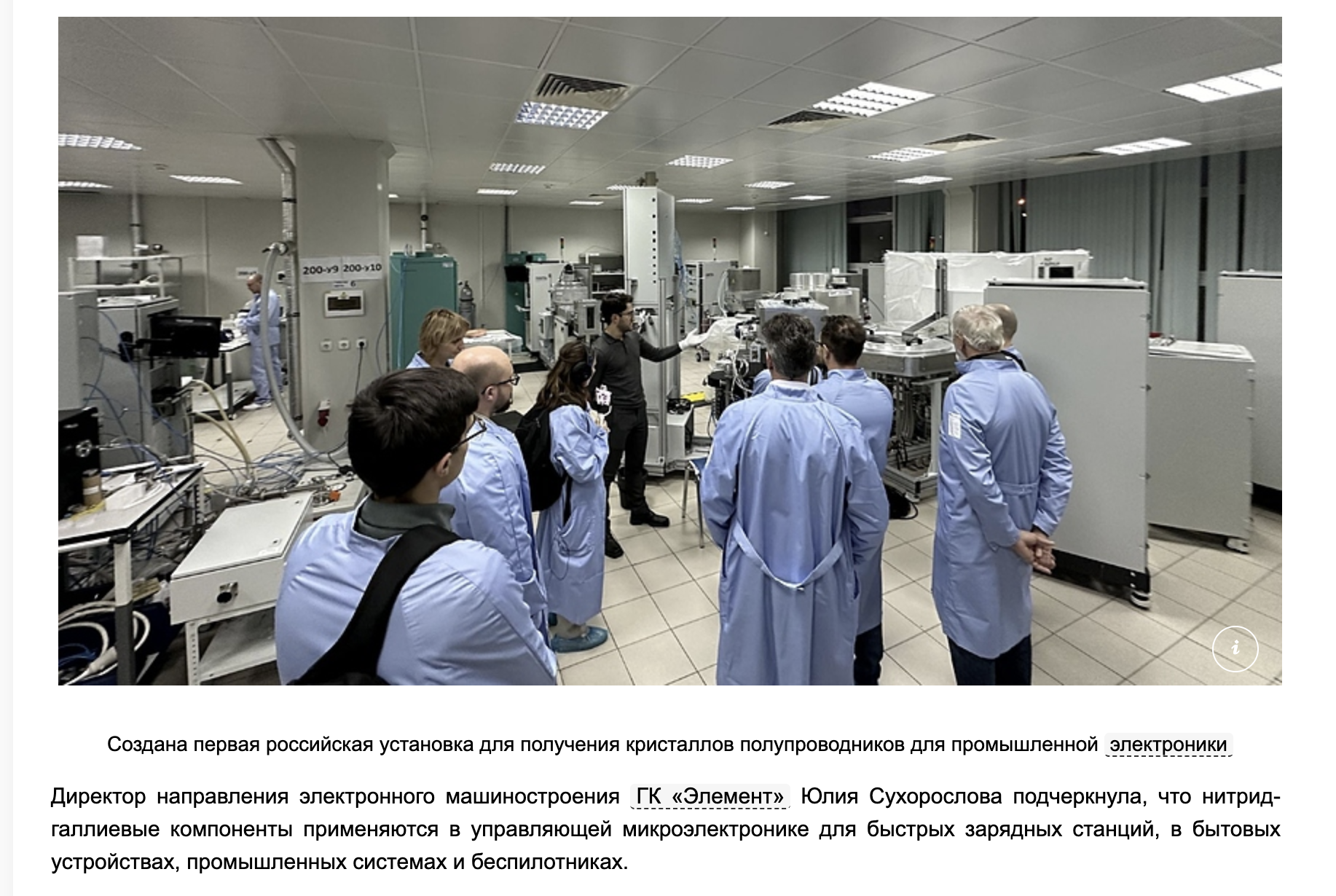
JSC Nanotronica also includes JSC Scientific Research Institute of Precision Machine Manufacturing and LLC Optical Technologies. The institute is already subject to sanctions levied by the US, the EU, and Ukraine. According to recent updates from its employees, they have developed and tested Russia’s first industrial system for growing gallium nitride crystals on silicon substrates. This is a breakthrough development and currently the only one of its kind in Russia.
The entry of Nanotronica into the Indian market clearly demonstrates how the Russian defence-industrial complex is attempting to bypass international isolation. When a supposedly commercial tech startup in Bangalore is backed by the sanctioned conglomerate Rostec and a retired Russian military radioelectronics colonel, the true objective of this expansion becomes obvious.
The Kremlin is not merely selling equipment; it is deploying experienced military personnel to construct grey logistics networks and integrate into the security sectors of other nations. Behind the facade of a “technological partnership” lies a calculated strategy by the Russian defence sector: to exploit a foreign platform to evade sanctions and secure deficient electronics for the Russian military. The military background of its leadership leaves no room for doubt as to who truly controls this operation and to what end.
Previously, StateWatch published a study on how Russians utilise India to circumvent sanction restrictions.