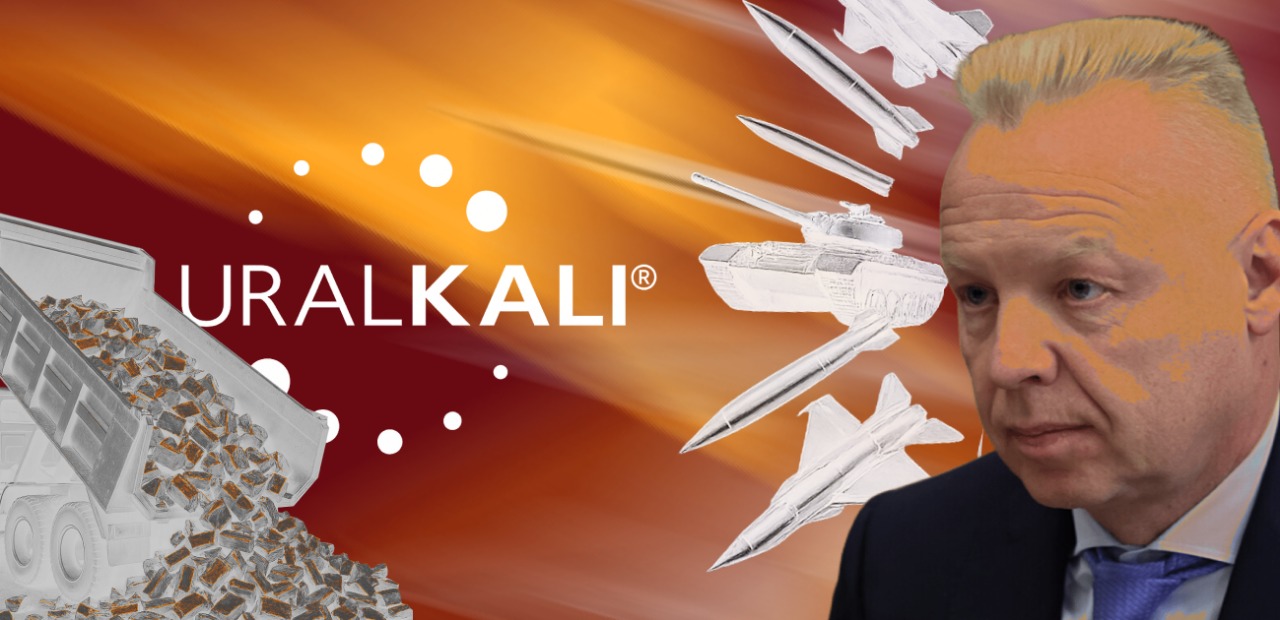

September 7, 2025. Nikopol region. A man is dead, a house is destroyed, a gas station is wrecked. These are the consequences of hostile shelling with heavy artillery and Grad multiple rocket launchers. The Russian military uses these weapons nightly against everything within reach of the front line.
A thousand and a half kilometers from here, at the Bryansk Chemical Plant, shells for Grads are filled with gunpowder containing ammonium nitrate. Since 2014, nitrate has been transported to Bryansk from the Uralkhim plant owned by Dmitry Mazepin, the “fertilizer oligarch.” It is also produced at another of Mazepin’s enterprises, Uralkali. Yet, despite 11 years of war, the oligarch’s businesses have never appeared on any sanctions list. Instead, they supply Europe with fertilizers to grow vegetables and rake in billions of dollars every year from the EU, the US, and other countries.
In December 2024 alone, Uralkali exported $248.4 million worth of products to the West. For that, the company was named “Exporter of the Year 2024” by the Russian authorities. It’s a win-win situation, so to speak. The Trap Aggressor project team at the StateWatch analytical center found out:
- Since 2014, Uralkali has continued cooperating with Russian companies already under sanctions.
- Uralkali employees openly support the war, while the company circumvents restrictions to import Western equipment, including Siemens products.
- Uralkali supplies products to sanctioned Russian military-industrial complex factories and holds billion-dollar contracts with Russian Railways (RZD), a key player in military logistics.
- Mazepin’s companies provide raw materials for the production of explosives, missiles, and artillery ammunition. Mazepin himself is integrated into the Russian military-industrial system, maintains political ties with Putin, and continues lobbying for the removal of EU sanctions imposed on him since the start of the full-scale invasion.
Uralkali is one of the world’s largest producers of potash fertilizers, supplying raw materials to the EU, the US, China, India, Latin America, and Southeast Asia. Even amid full-scale war, the company has continued ramping up exports: in 2024 alone, potash supplies rose by more than 30%, reaching 10 million tons. In May of this year, Uralkali received another award – the title of “Exporter of the Year” in the industrial sector, which the Russian authorities framed as a “contribution to global food security.” Export records show that beyond China, Indonesia, Turkey, and Brazil, Uralkali has been exporting its products to the US, Japan, and the EU since the invasion began. At the same time, the company cooperates with Russian enterprises that are under EU and US sanctions. Yet despite this, Uralkali itself has never been included in Western sanctions lists, effectively allowing the Kremlin-linked business to keep raking in billions on international markets under the convenient guise of the “vital agricultural products”.
Owners of Uralkali
Dmitry Mazepin, widely known in Russia as the “fertilizer oligarch”, holds nearly half of the shares in Uralkhim, which itself owns more than 80% of Uralkali – making him one of the key company’s owners. The businessman is openly integrated into the Russian Federation’s military-industrial system. Not only has he met with Putin several times since the start of the full-scale war — on the day of the invasion, again in November 2022, and in March 2023 — but he also supplies the Russian army with raw materials. Mazepin’s companies delivered concentrated nitric acid and nitrate to enterprises that manufacture explosives, artillery shells, Arkan rockets, and ammunition for Grad, Tornado, and Smerch multiple launch rocket systems.
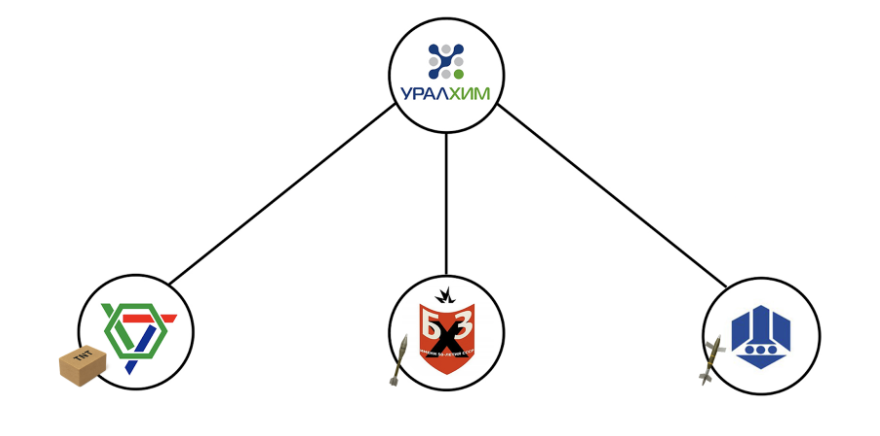
Since 2014, Uralkhim has been supplying raw materials to:
- The Biysk Oleum Plant, which produces explosives, including TNT;
- Bryansk Chemical Plant, which specializes in ammunition for multiple launch rocket systems;
- Sverdlov Plant, which manufactures Arkan anti-tank missiles, aircraft bombs, and artillery shells.
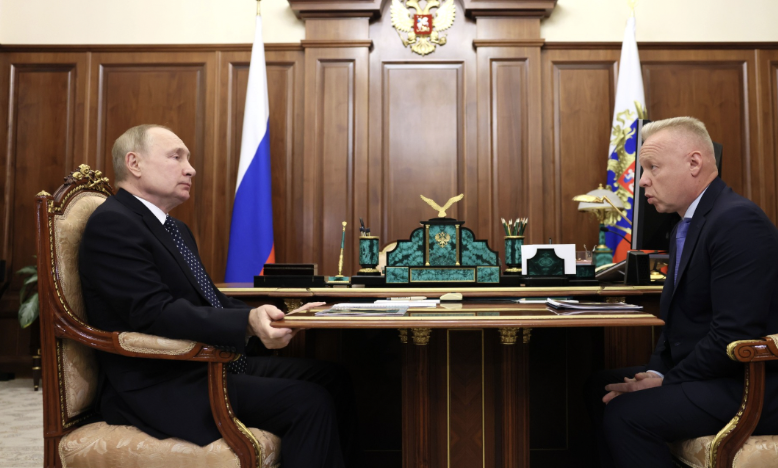
Mazepin was sanctioned by the EU in March 2022 after his companies, Uralchem and Uralkali ,were classified by the Russian state as “strategic assets.” This designation ties him directly to sectors of the economy that generate significant revenue for the Russian Federation. In addition, Mazepin is also part of Vladimir Putin’s inner circle, having attended multiple meetings with him since the start of the full-scale invasion. He openly backs actions that undermine Ukraine’s territorial integrity, confirming his role as one of the leading businessmen financing the Russian Federation.
Sanctions against Mazepin have also been imposed by Canada, Switzerland, the United Kingdom, Australia, and New Zealand. Since 2022, he has repeatedly sought to have EU sanctions lifted, but without success. This stands in contrast to his son, oligarch heir and former Formula 1 driver Nikita Mazepin, who won a court case against the European Union in 2024 and succeeded in overturning the sanctions against him.
Today, Nikita heads the We Stand as One foundation, which in 2023 appealed to the IOC to allow Russian athletes suspended for “non-sporting” reasons to return to international competitions.
At the time, he stated:
“Sport must remain neutral territory. And with this idea, we will only move forward.”
Uralkali: millions worth of sanctioned goods supplied
The Kyiv School of Economics (KSE) has identified a list of customs codes covering goods critical to Russia’s military-industrial complex. Since the start of the full-scale war, the total value of such identified supplies to Uralkali has reached €1 million.
Customs records show that until 2022, Uralkali imported hoses, springs, pipes, plastic products, hydraulic motors, oxide pigments, nuts, and sealing rings. However, after the full-scale invasion, its imports shifted heavily toward high-voltage electrical equipment and power components. Among them are high-voltage arc suppression coils and equipment cabinets from Sweden, manufactured by Swedish Neutral AB and routed through the British company Simex Industrial LLP. These shipments ranged from just a few kilograms to several dozen tons, with prices spanning from €21,000–27,000 for individual processors to €262,000–263,000 for large coils.
Customs data further reveal that in 2023, Uralkali imported high-tech Siemens equipment – Simatic S7-400 processors and Sinamics power modules. Officially, the shipments departed from the Maldives, but Germany was listed as the country of origin – an all-too-familiar scheme for dodging export restrictions. While formally intended for industrial automated systems, this equipment can just as easily be repurposed for production, logistics, and critical infrastructure serving the Russian military’s needs. .
Uralkali employees: who they are and why they are also “in the game” against Ukraine
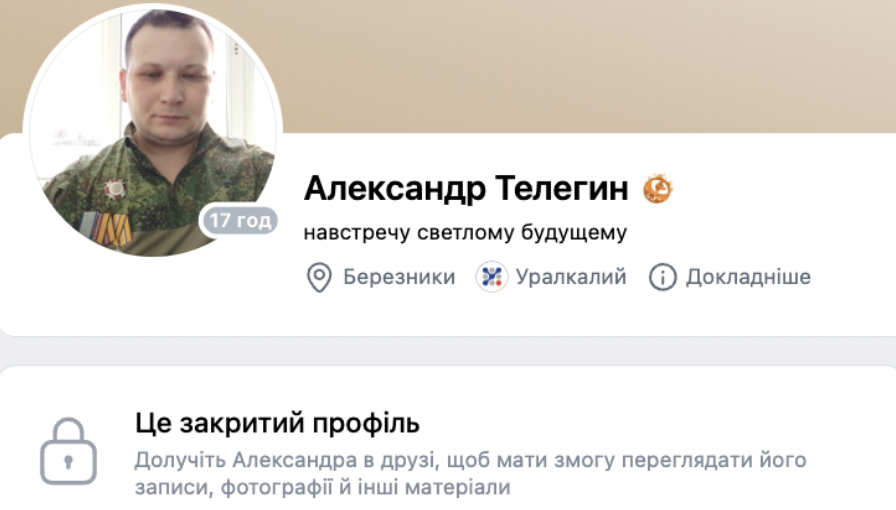
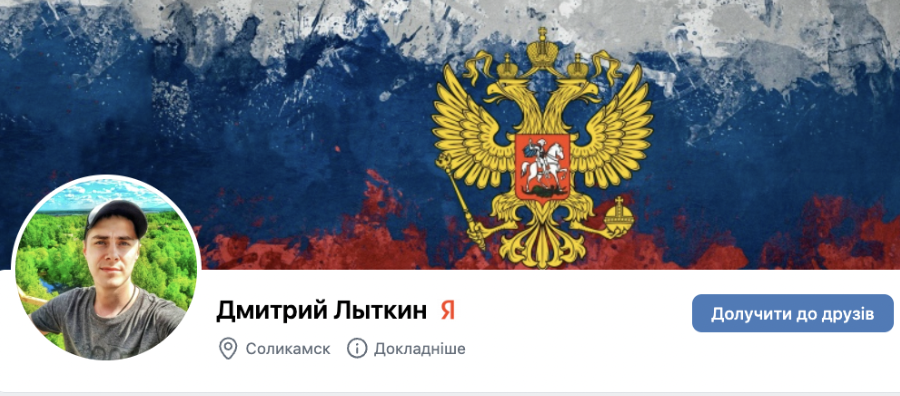
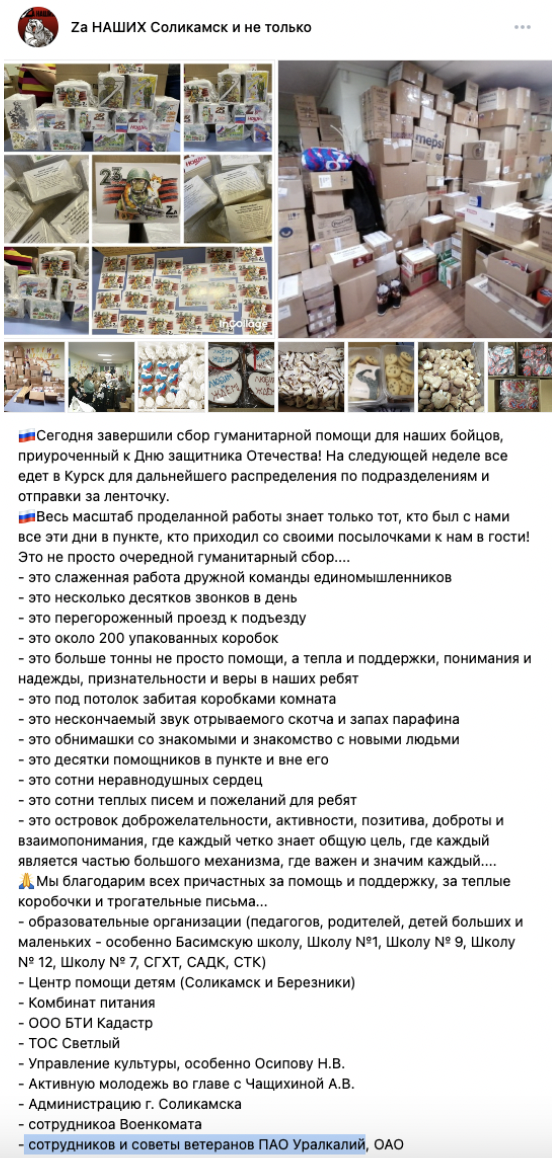
Uralkali’s CEO, Vitaly Lauk, keeps a low profile. He conceals details about his family, avoids social media, and sidesteps any mention of the war in his interviews. Yet many of the company’s employees are far less discreet.. Some have even joined the the so-called “SMO,” while youth organizations and the company’s Veterans Council weave camouflage nets and send them and other materials to the front. Beyond that, the company provides financial aid to the children of Russian servicemen involved in combat operations.
Uralkali: cooperation with the Russian military-industrial complex
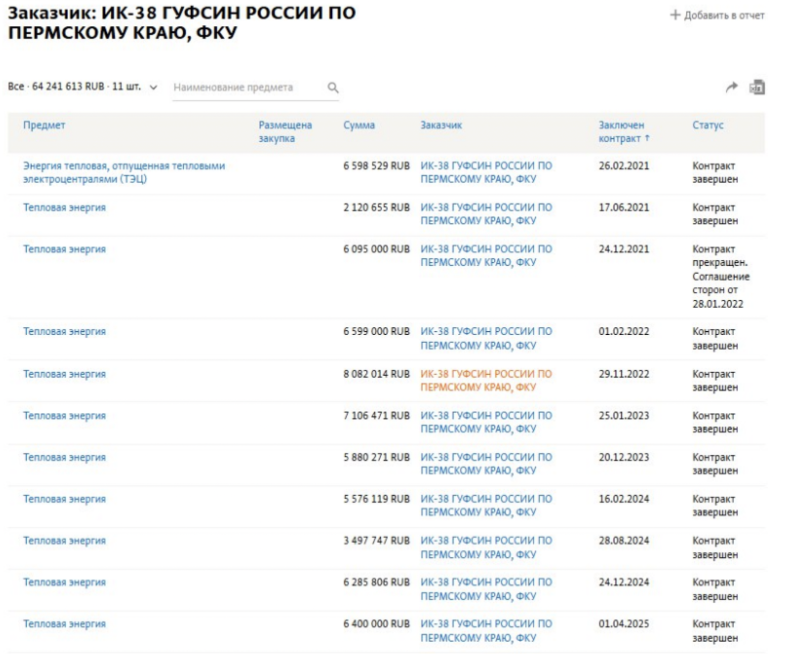
Even after the start of the full-scale invasion, Uralkali continued supplying thermal energy to correctional colonies in the Perm region, including IK-38 in Berezniki. This colony now faces closure due to a sharp decline in the prisoner numbers, as inmates are being sent en masse to the front. In total, since February 2022, the value of contracts has reached to 42.83 million rubles – nearly half a million dollars.


Despite the war, Uralkali continues to post massive profits, cementing its place among the most lucrative players in the Russian economy. In the first half of 2025 alone, the company’s revenue jumped 30% to 230.5 billion rubles, or more than $2.5 billion. Profit from core operations rose 48% to 86.2 billion rubles, while net profit more than doubled, reaching 110.2 billion rubles. In practice, Uralkali’s financial performance translates into tax revenues – funds that flow straight into financing the Kremlin’s “special operation.”
Subsidiaries and their role in Russian defense
Uralkhim’s subsidiaries also supply products to Russian military-industrial complex factories that are already under international sanctions.
One example is Uralkhim Trading House LLC, which delivers products to the Scientific Research Institute of Polymer Materials (SRI PM), sanctioned by both Ukraine and the United States. Under the existing contract, Uralkhim Trading House LLC has supplied NIIPM with products worth 110.7 billion rubles.

NIIPM is part of Rostec’s Techmash concern and and specializes in developing and testing powders and solid rocket fuels for missile defense, air defense, multiple launch rocket systems, cruise missiles, aviation weapons, and artillery, as well as the disposal of rocket engines. It also plays a role in producing 526M solid-fuel gas generators for R95-300 and R95TP turbojet engines, which power the X-59M2/X-59M2A guided air missiles.
After Russia’s full-scale invasion, the US, Japan, and the EU imposed sanctions on the Tambov Powder Plant, another state-owned enterprise under Techmash, for its key role in producing explosives and powders for artillery systems, multiple launch rocket systems, small arms, and other weapons. Despite this, the Uralkhim Trading House continued supplying the enterprise with products worth more than 1.38 billion rubles.

Mazepin’s potash business supplies Russian arms manufacturers at home while making billions on global markets abroad.. In 2024 alone, Russian fertilizer exports to the EU surged by 33%, reaching €1.75 billion.
Dmitry Mazepin’s companies embody the Kremlin’s dual strategy: playing two worlds at once: the international market and the war.. Outwardly, they export billions of tons of potash fertilizers to the EU, the US, and Asia under the banner of “global food security.” At the same time, those same products and financial flows prop up the Russian military-industrial complex, helping to manufacture missiles and ammunition that kill Ukrainians.
Despite sanctions against key Russian structures and personal restrictions targeting Mazepin, Uralkali itself remains untouched. The company not only expands exports but also continues working with sanctioned enterprises. This exposes a deeper systemic problem: even in wartime, global markets allow Russian so-called “strategic assets” to go unpunished, allowing the Kremlin sell “fertilizers for humanity” while financing the war against Ukraine.
And while Ukrainians are dying from weapons manufactured with the help of Uralkali’s products, Moscow markets itself as “breadwinner of the planet.” The real price of this potassium, however, is measured not in harvests, but in fresh batches of gunpowder and rocket fuel for Russian factories.
This material was created as part of the Investigative Journalism School program of the Kyiv Media School educational initiative.